

 Products & Services




 400 676 5650
Computers replacing manual labor, and AI replacing humans, is an irreversible trend of future development. In the future, human resources will need to handle more complex tasks than today, which demands higher skills and deeper thinking from people, inevitably requiring them to master a broader set of capabilities.
The operators of the HuiPai APS Supply Chain Resource Planning Platform are typically planners in the PMC department or on-site planners. These individuals already possess basic skills in ERP or computer operations, and they often include plant managers or operators, so they need to view issues from a management and operational perspective as well.
Excel is indeed convenient and can meet our needs within a certain production scale. However, as business scale grows, production complexity increases, and market demands change, Excel's single-constraint settings limit its scheduling capabilities and outcomes.
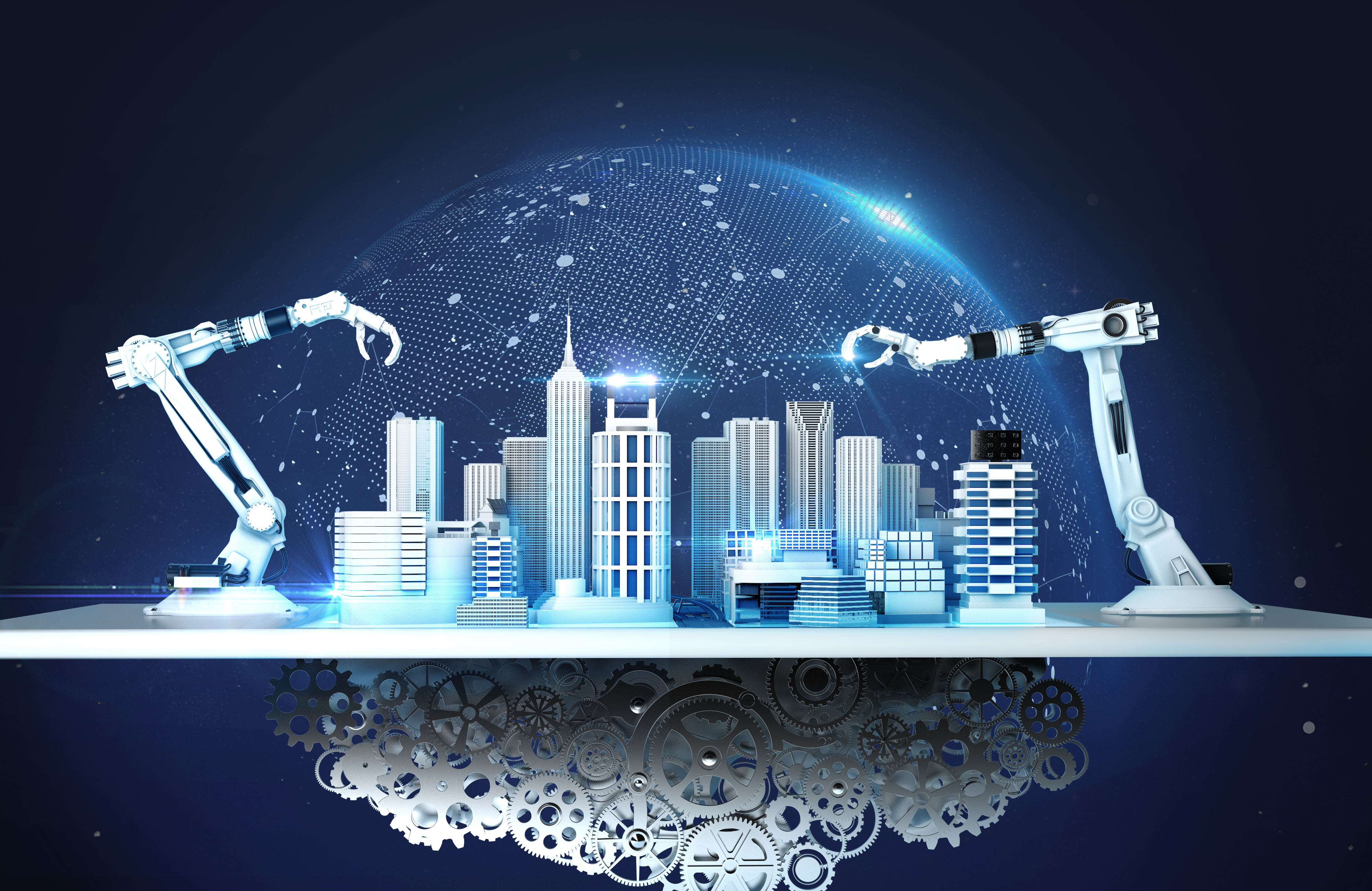
In the future, when scheduling, we need to consider multiple constraints such as orders, customers, resources, and materials—even factors like resource, material, and inventory occupancy and priority allocation, as well as resource substitution relationships. Additionally, priority calculation for bottleneck processes, order insertions, or the ripple effects of plan changes will add many complex scenarios. Under these circumstances, Excel becomes difficult to handle, and relying solely on manual decomposition of steps would be inefficient and error-prone.
If an APS system has powerful functionality, well-designed business processes, and properly established parameters and models, and—more importantly—if users are trained to understand the system's principles and master its operations, it can directly improve efficiency or solve user challenges. When users see tangible results and value, they will be more willing to adopt it.
By letting machines take over repetitive and mechanical calculations, enabling real-time information interconnection between computers, and shortening planning time, we free up human effort for more valuable work. In the future, data will create value. Systems will accumulate vast amounts of business data, but data needs models for analysis. Humans can set requirements for data analysis models and make judgments and decisions based on the results.