

 Products & Services





 400 676 5650
During the construction of a Smart Factory, the production-sales balance issue at the planning level primarily addresses and resolves the enterprise's medium- and long-term planning, supporting strategic decision-making at that horizon.
How can we help the planning level resolve production-sales imbalances? First, based on sales annual forecasts, quarterly rolling forecasts, and other plans, we can predict the usage of equipment, personnel, and materials, thereby adjusting corporate strategies and decisions (including production decisions, inventory decisions, procurement decisions, personnel reserve decisions, equipment investment decisions, etc.).
Second, to support medium- and long-term planning and production-sales balance, after implementing the Dtuy APS Supply Chain Resource Planning Platform, it is necessary to gain timely insight into rough capacity and rough-level constraints, ensuring that data such as sales forecasts, product plans, and statistical forecasts are updated and managed in a timely manner.

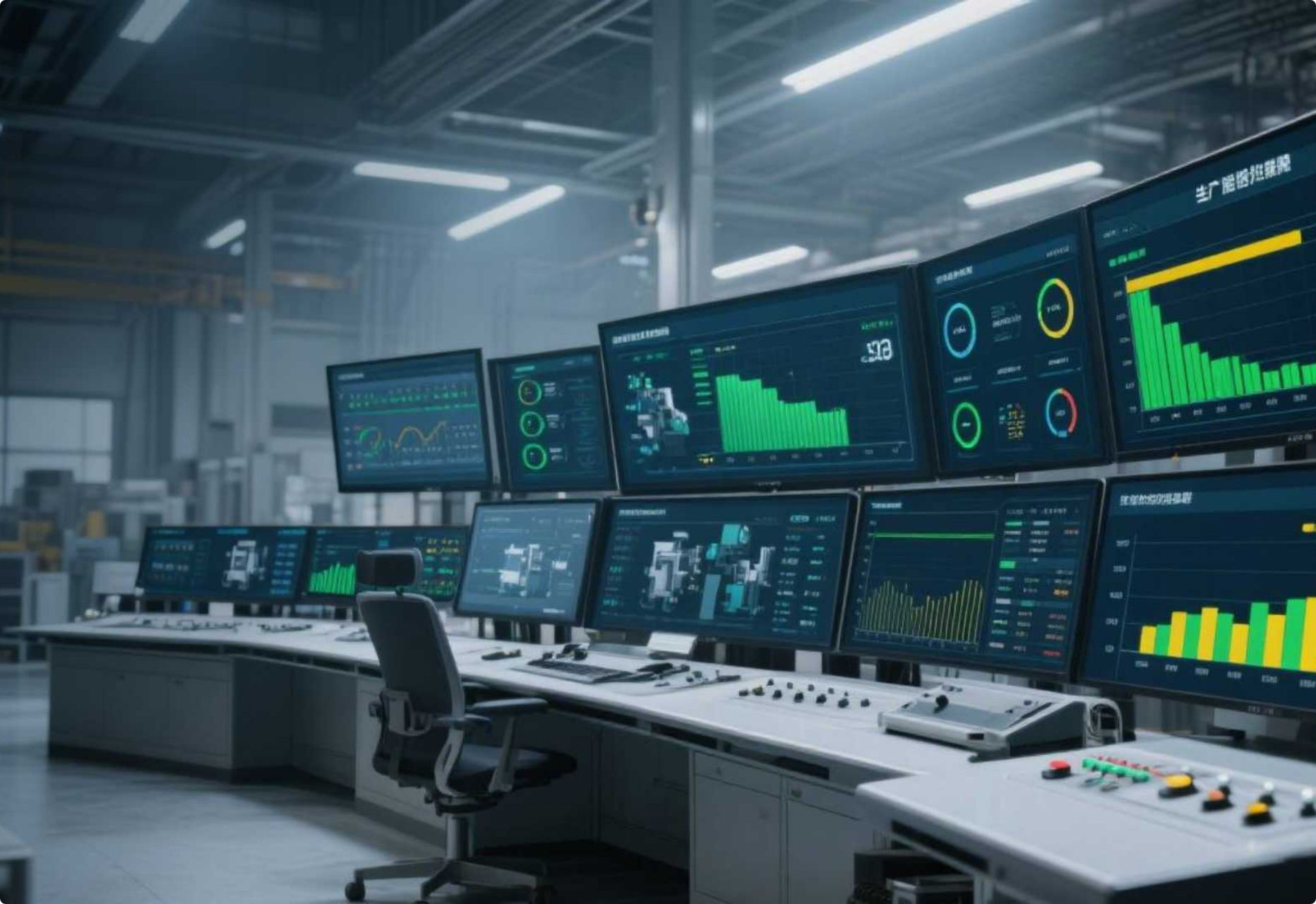
Production execution typically refers to the execution status of short-term plans or shop floor scheduling, i.e., the scope governed by what we commonly call the MES execution system. Three factors contribute to production execution deviations: 1. Opacity, lack of linkage, and absence of feedback between the planning and execution layers cause plans to diverge from execution. 2. Untimely system processing or data collection at the execution layer also leads to execution deviations. 3. Some enterprises use different data management reports for the planning and execution layers. For instance, the planning layer uses aggregated data management reports while the execution layer uses detailed on-site data reports, which is another source of data deviation.
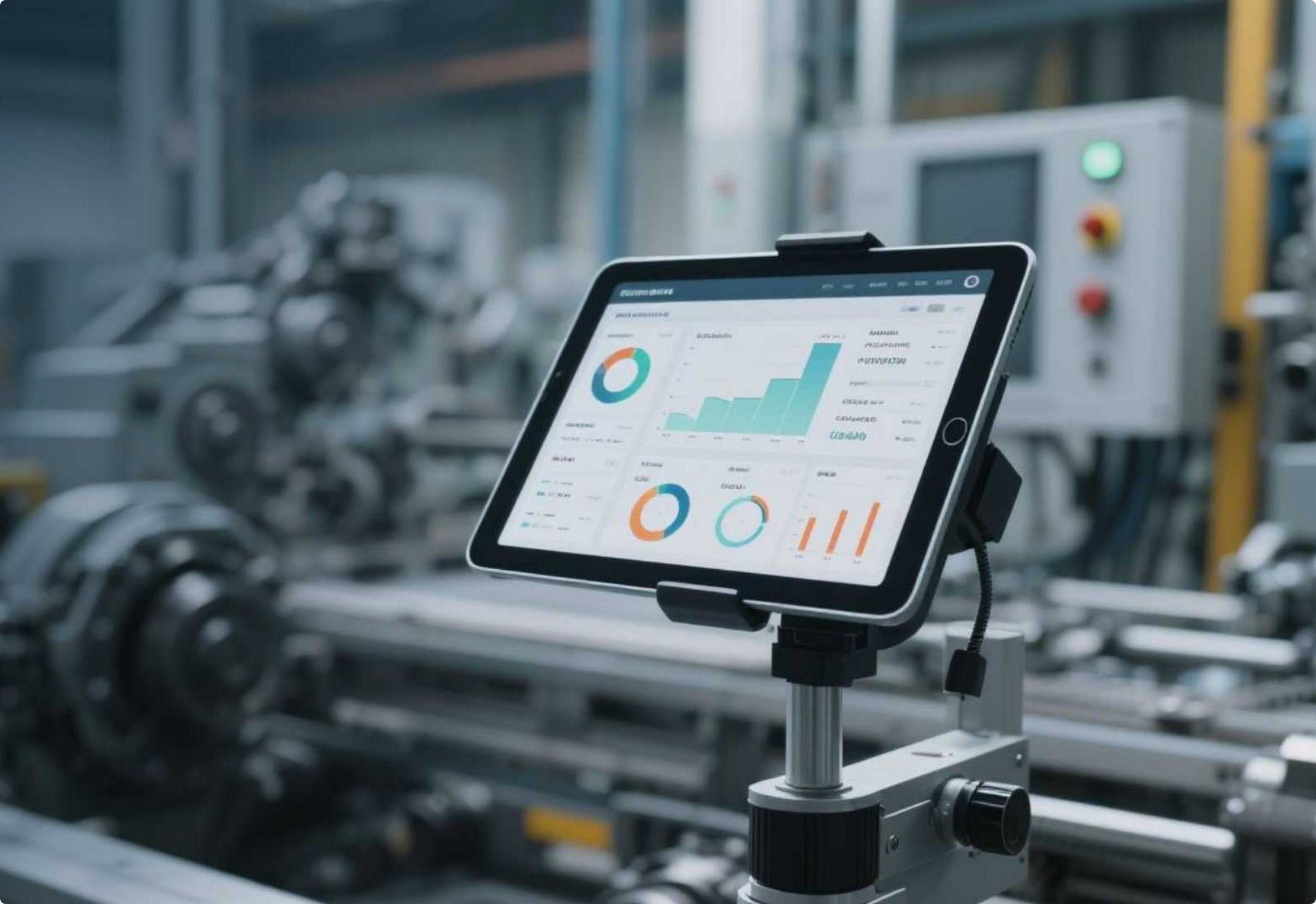
Execution deviations of short-term plans on the shop floor can reduce the dynamic linkage accuracy of shop floor scheduling results. To address this challenge, introducing an APS planning and scheduling system to generate on-site scheduling plans can pull demand and execution. However, each factory’s product characteristics, production process specifics, and on-site application scenarios vary, requiring case-by-case analysis.
The Dtuy APS Supply Chain Resource Planning Platform consists of two components: AP and AS. AP addresses and drives medium- and long-term planning and production-sales collaboration, while AS addresses and pulls short-term plan shop floor scheduling automation and precision.