

 Products & Services



 400 676 5650
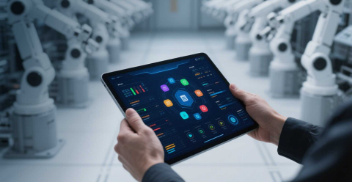
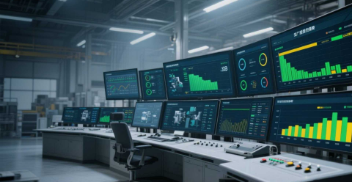
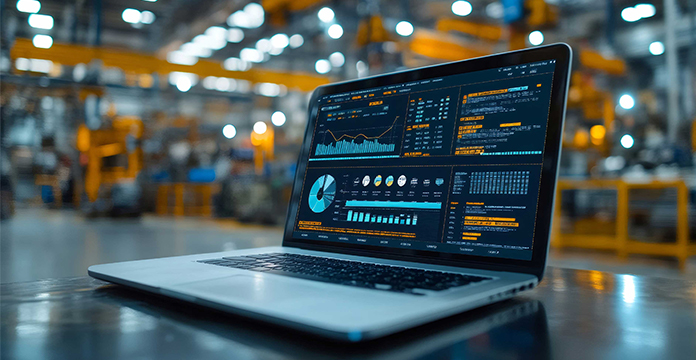
TPM strives for the ultimate limit of production efficiency. With the development of smart factories, production systems are increasingly dependent on equipment performance. The improvement of production efficiency is closely tied to three factors: the manufacturing method, usage method, and maintenance method of equipment. Therefore, in TPM, the goal is to eliminate downtime losses caused by breakdowns or adjustment time for preparation, as well as defect losses, ultimately aiming to enhance the Overall Equipment Effectiveness (OEE) of smart factories.
Autonomous maintenance by operators. Generally, within the production department, the operators are the ones most familiar with the equipment. They interact with the equipment on a daily basis and are therefore able to identify and report issues at the earliest stage. To minimize or eliminate equipment failures in the smart factory, it is essential to carry out daily maintenance tasks—cleaning, lubrication, tightening, and inspection—thoroughly. TPM advocates that equipment health management should be the responsibility of the equipment operators, who perform autonomous maintenance, enabling them to become more familiar with the equipment and reduce the occurrence of problems.
Click to view: What is a customized Andon system?