

 Products & Services








 400 676 5650
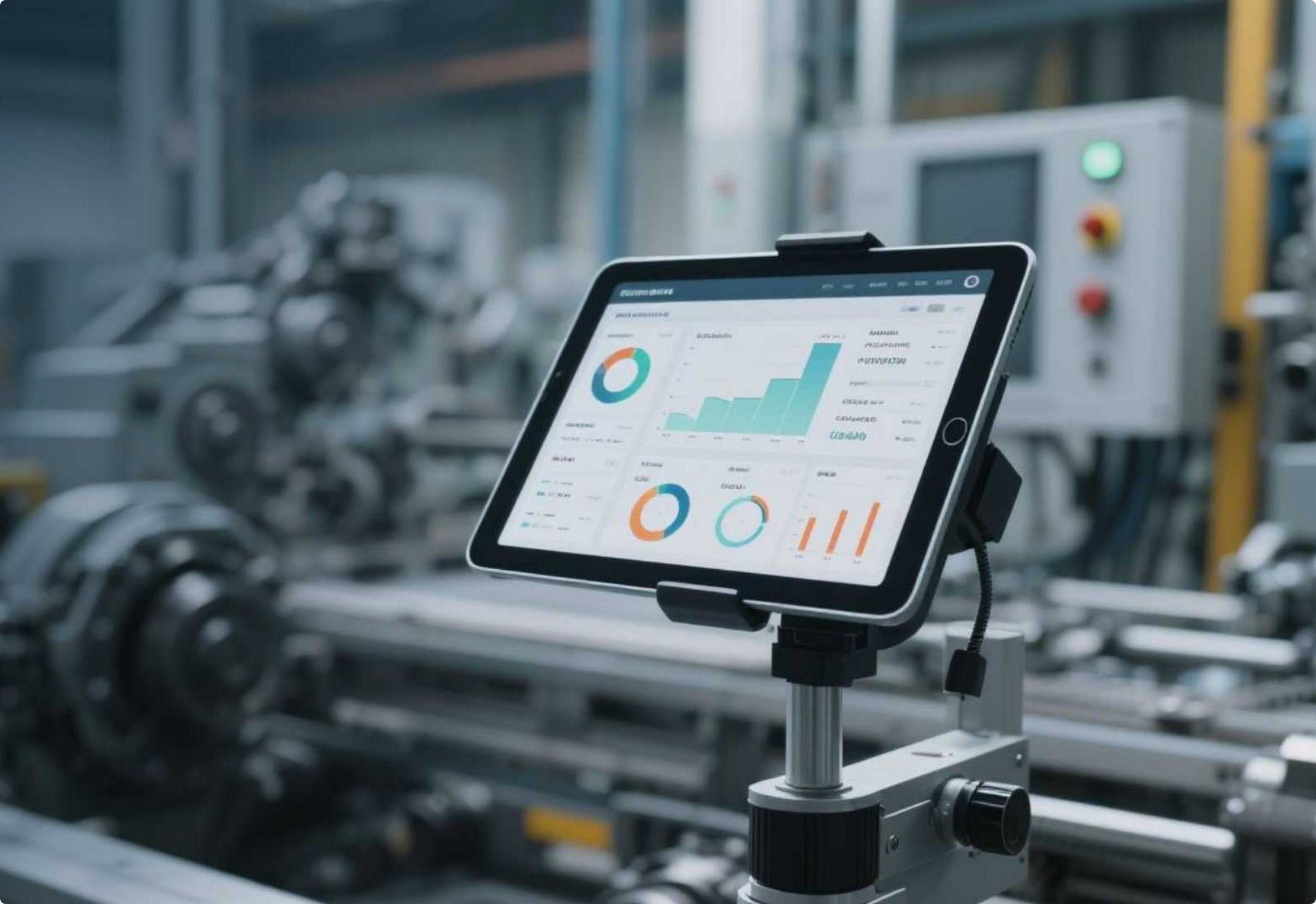
In industrial scenarios, we embody the scalability of smart factories through the high-efficiency "reuse" of industrial capabilities. The higher the frequency of reuse, the greater the economic value of industrial capabilities, and the better their sustainability. The scalability of industrial scenarios requires industrial capabilities to be fully socialized. In a single, closed network, industrial capabilities have few opportunities to be invoked by other market entities. However, after socialization through the network environment, industrial capabilities can be "seen" by more industrial scenarios—an interactive process. At the same time, maintaining scalability means lower processing costs and procurement costs per unit product.
From the above description, we can see that the scalability limitations of smart factories mainly come from two aspects: first, the high time cost of smart factory changeovers, which often arises from constraints in the upstream and downstream industrial environment; second, the strong coupling between smart factory equipment, leading to relatively high order matching costs. When production tasks are not fully saturated, the socialization of production capacity is severely constrained.
Click to view: How to build an information system for smart factories?