

 Products & Services



 400 676 5650
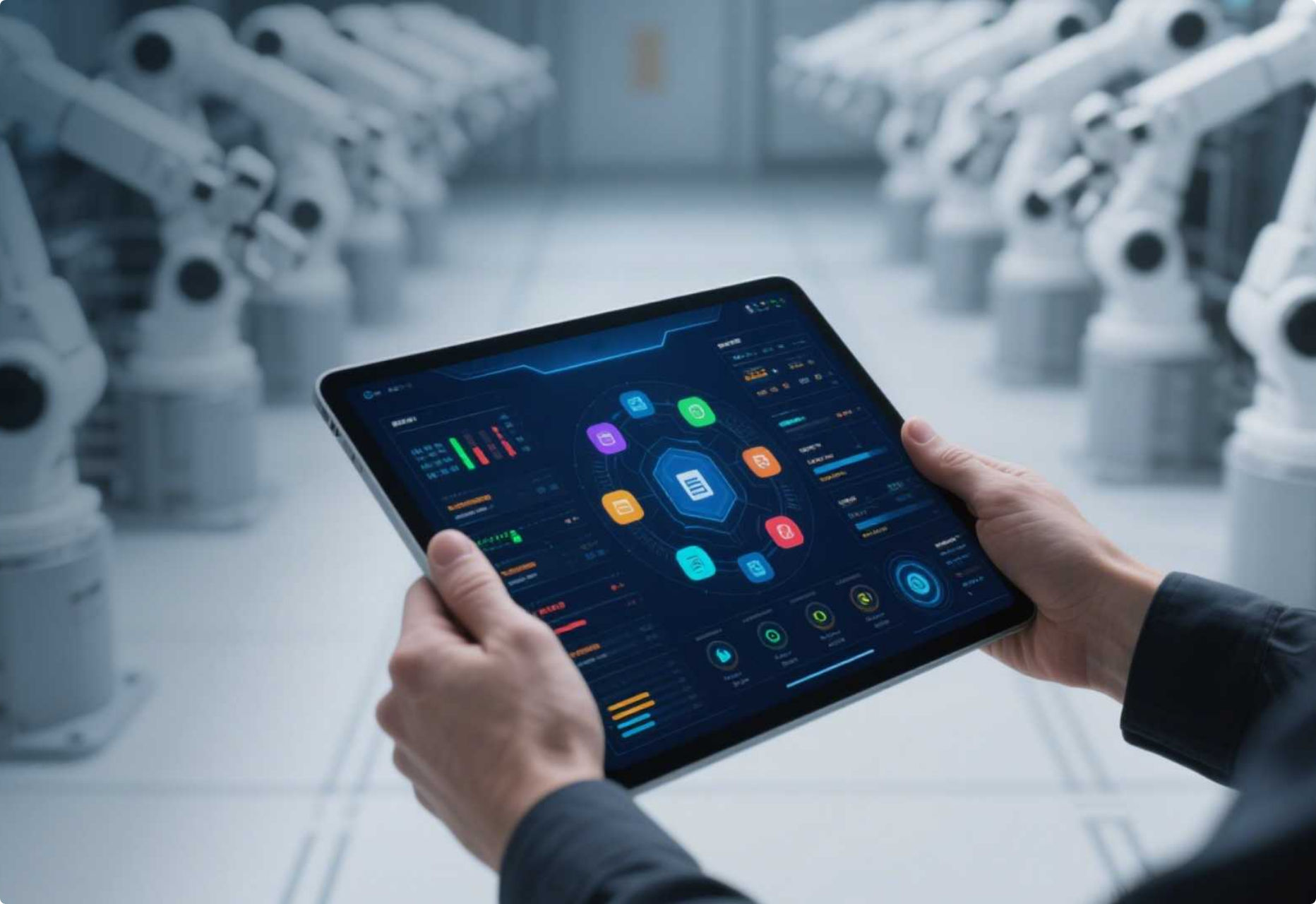
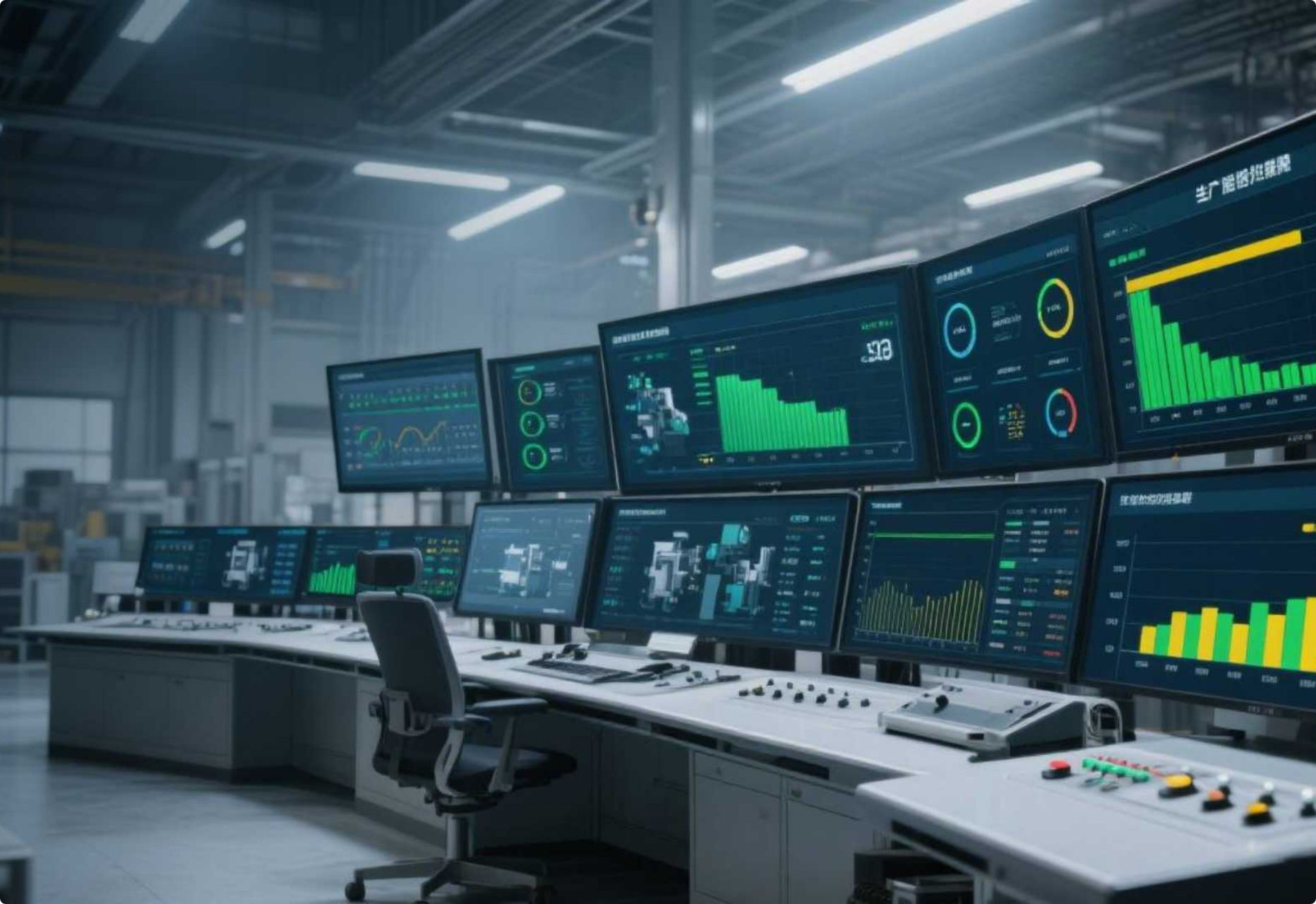
The advancement of information technology has propelled traditional manufacturing toward digitalization and informatization. In this process, two development models have emerged: the digital factory and the smart factory. The differences between a smart factory and a digital factory can be examined from the following perspectives.
Click to view: What are the main aspects of applying a production management system in an enterprise?
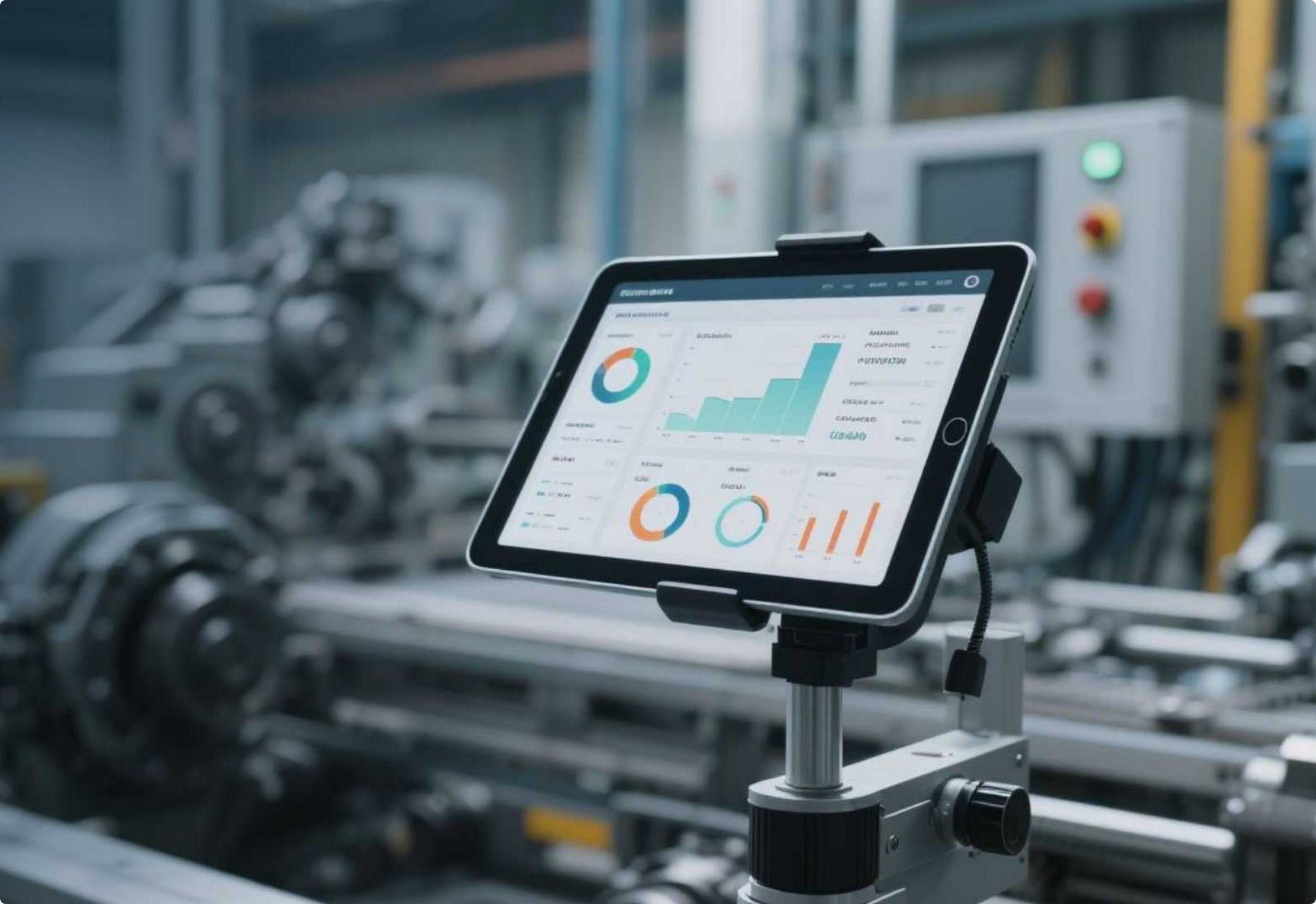
First, the digital factory is a product of the integration of modern digital manufacturing technology and computer simulation technology, serving as a bridge between product design and product manufacturing. In contrast, the smart factory represents a new stage in the informatization development of modern factories. Compared with the digital factory, the smart factory can leverage IoT technology, equipment monitoring technology, and information management technology.
Furthermore, the characteristics of digital factories and smart factories differ. Digital factories enable comprehensive evaluation and optimization of the entire production process, accompanied by a new organizational approach that spans the entire product lifecycle. Smart factories, on the other hand, achieve harmonious human-machine collaboration. The smart factory solution provided by Alps System Integration (Dalian) Co., Ltd. can better assist enterprises in realizing human-machine interaction.