

 Products & Services







 400 676 5650
Time:2026-03-02
The APS system achieves a balance between supply and demand by integrating data across the entire supply chain and employing dynamic optimization scheduling. It breaks down information barriers between the demand and supply sides, enabling supply capabilities to precisely match the total demand volume and its rhythm.The APS system first consolidates demand-side data such as sales orders and demand forecasts, while simultaneously synchronizing supply-side information including production equipment, material inventory, and maximum capacity limits. It establishes a unified data calculation model. The system then decomposes and analyzes demand data, distinguishing between firm orders and forecasted demand. Combined with existing supply capabilities, it accurately calculates the gap between supply and demand, preventing oversupply or unmet demand.
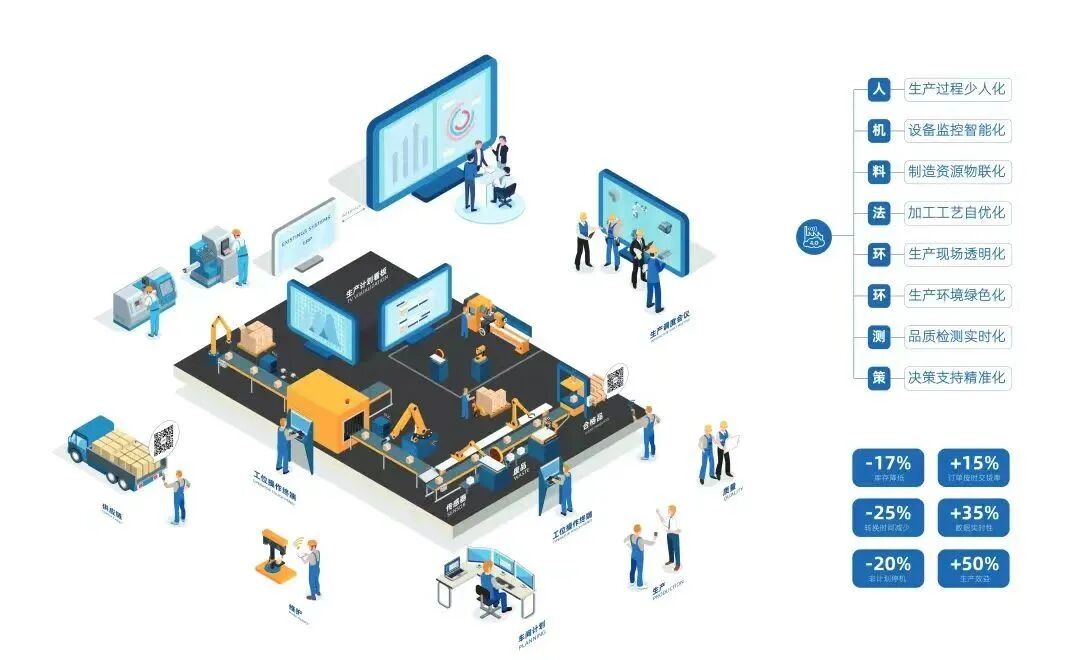
In terms of dynamic adjustments, the APS system can detect anomalies in real time—such as changes in demand, delayed material arrivals, or equipment failures—and automatically adjust production plans and supply arrangements to promptly bridge any deviations between supply and demand. In practice, the APS system allocates capacity and materials based on order priority, ensuring that core demand is prioritized while optimizing the supply rhythm for non-core demand, thereby achieving accurate matching of supply and demand. Through real-time data synchronization, dynamic calculations, and flexible adjustments, the APS system effectively balances supply and demand, supporting efficient supply chain operations. It has become a key tool for enterprises to control the rhythm of supply and demand and mitigate supply chain risks.