

 Products & Services









 400 676 5650
Time:2026-02-10
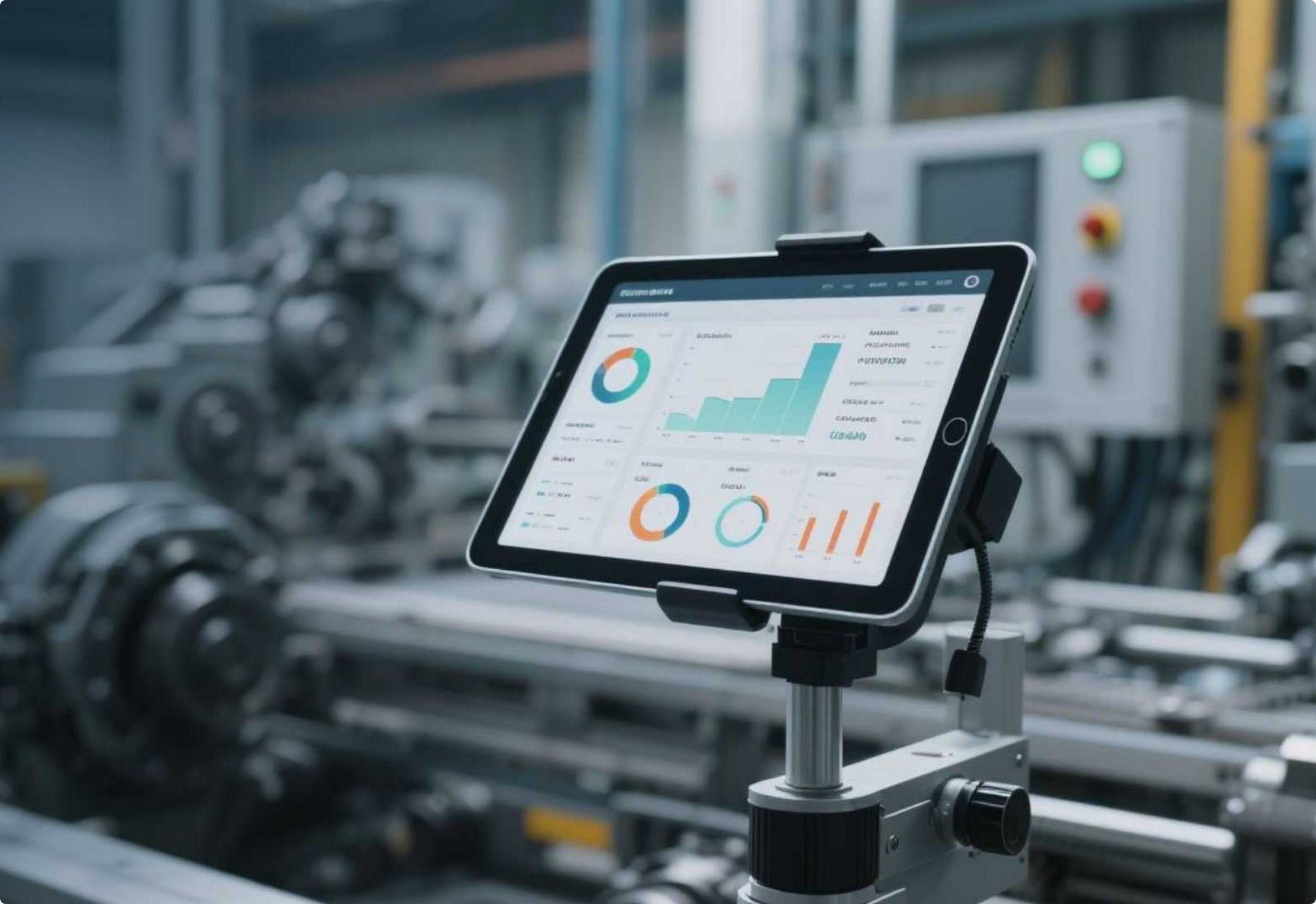
In a complex supply chain environment featuring multi-factory collaboration, parallel production lines, and interconnected suppliers, can your planning system truly achieve agile response and precise control? If rapid response and accurate execution are possible, how many core orders can this win for your enterprise?Currently, many large automotive parts enterprises face common challenges when coordinating multiple factories, production lines, and suppliers: delayed plan response, difficulty optimizing inventory levels, and unstable order delivery. Although production equipment has achieved high automation, the upgrade of the planning system has not kept pace with equipment iteration, limiting overall production efficiency and hindering the release of core capacity.
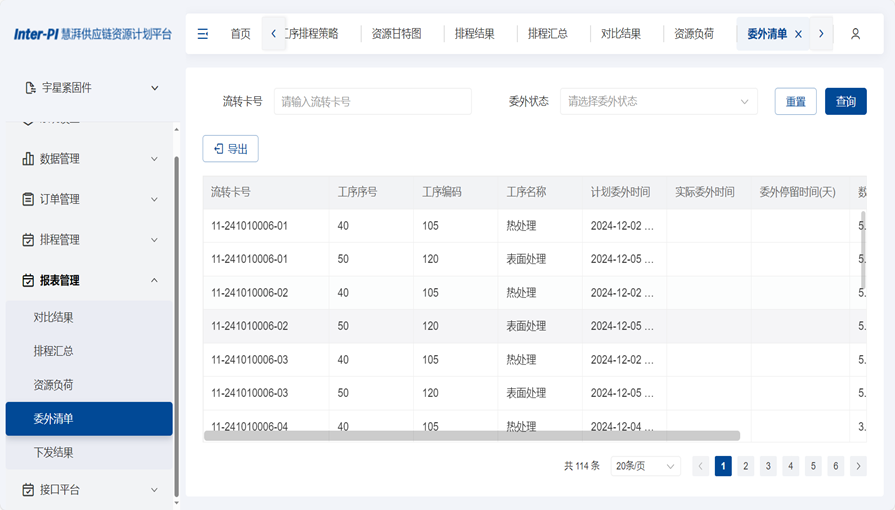
In complex supply chain scenarios, the APS system has become a key tool for enterprises to optimize production scheduling and rationally allocate resources. Take a leading domestic headlight manufacturer served by Alps as an example. By introducing the APS system, the enterprise achieved significant improvements in supply chain efficiency: on-time delivery of key components increased by 15%, inventory turnover days shortened by 20%, and overall plan response time was reduced from days to hours, completely eliminating the previous lag in planning.
In a complex supply chain environment interwoven with multiple factories and production lines, the APS system has far surpassed its role as a mere planning tool, becoming the core pillar of an enterprise's supply chain strategy. It can connect data across factories, suppliers, and logistics endpoints, achieving end-to-end data visibility and enabling proactive adjustments and continuous optimization of production plans. In other words, the APS system helps enterprises maintain agile operations in a volatile market, ensuring that the supply chain remains robust and efficient even amid various fluctuations.
As the automotive industry accelerates its transformation toward smart manufacturing, the APS system has become an inevitable choice for optimizing and upgrading supply chain planning systems. In the future, APS will further integrate AI technology and data analytics capabilities to achieve higher-level intelligent decision-making, helping enterprises gain a sustained competitive edge in fierce market competition.
Undoubtedly, the APS system is not only the core engine for large automotive parts enterprises to achieve supply chain agility, improve delivery efficiency, and inventory turnover, but also a crucial cornerstone for future supply chain strategic deployment, injecting lasting momentum into high-quality development.