

 Products & Services






 400 676 5650
Time:2025-12-16
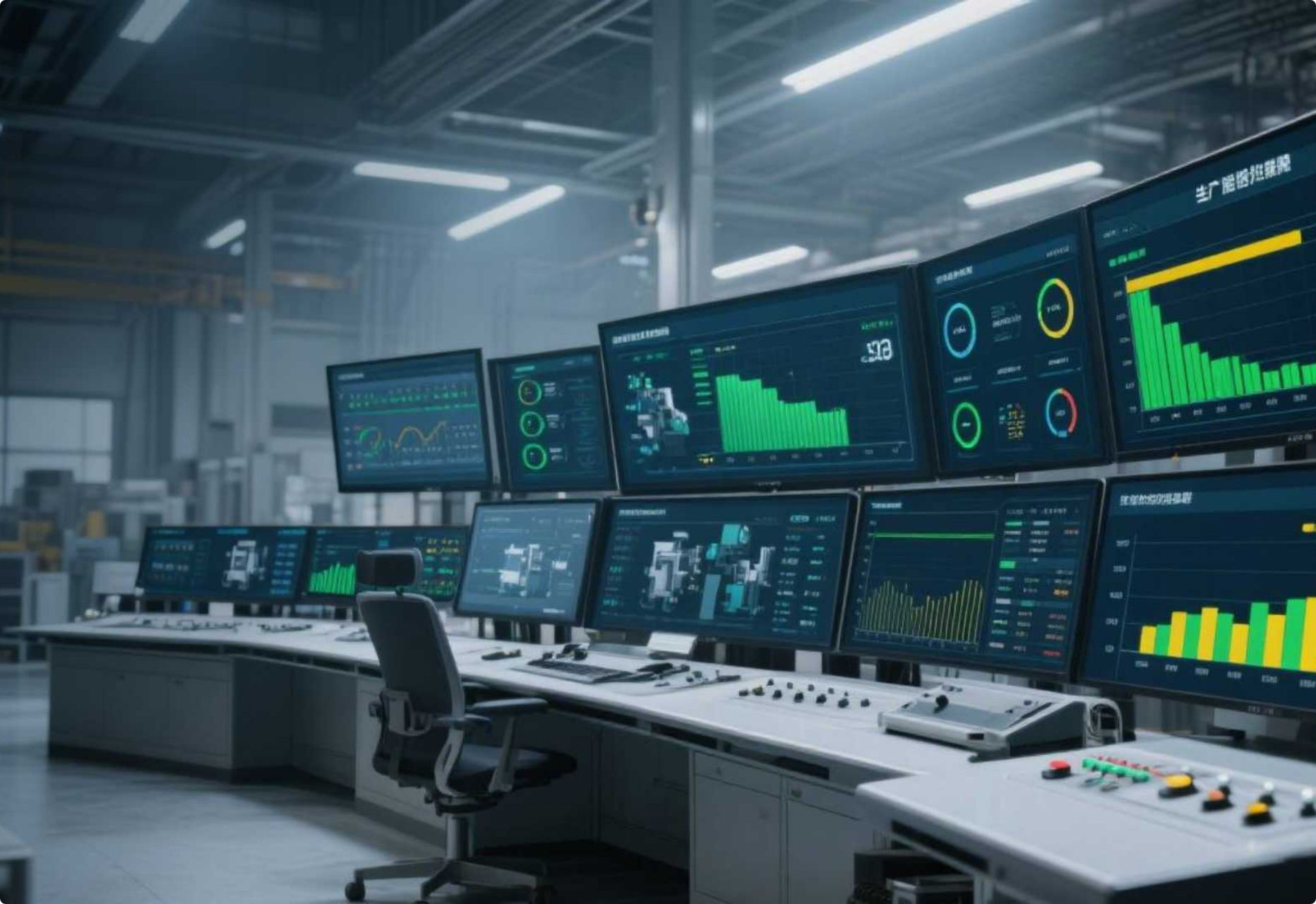
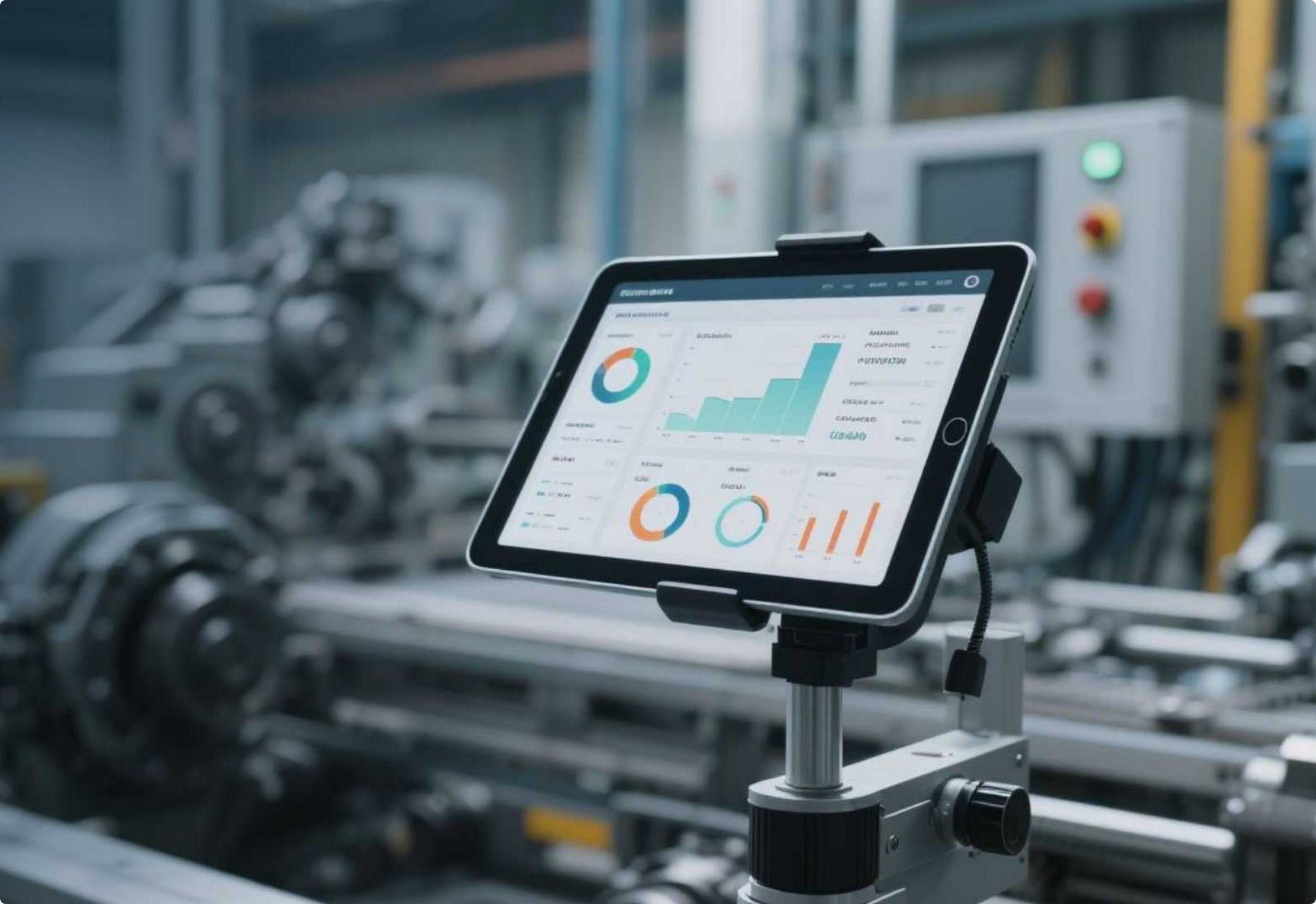
The production planning and scheduling system itself is capable of independent operation, but whether to use it standalone depends on the scale of production and the complexity of the process. Coordinating with other systems typically yields greater value.In practice, the production planning and scheduling system comes with complete functional modules. It allows manual input of required data such as order requirements, material inventory, equipment capacity, and process standards. Once the data is entered, the system automatically generates detailed production plans—including process sequencing, resource allocation, and time milestones—based on predefined rules and calculation methods. This approach can independently guide workshop production and is suitable for small enterprises with simple production processes and a manageable volume of orders, where manual data entry workload is controllable and integration with other systems is not necessary.
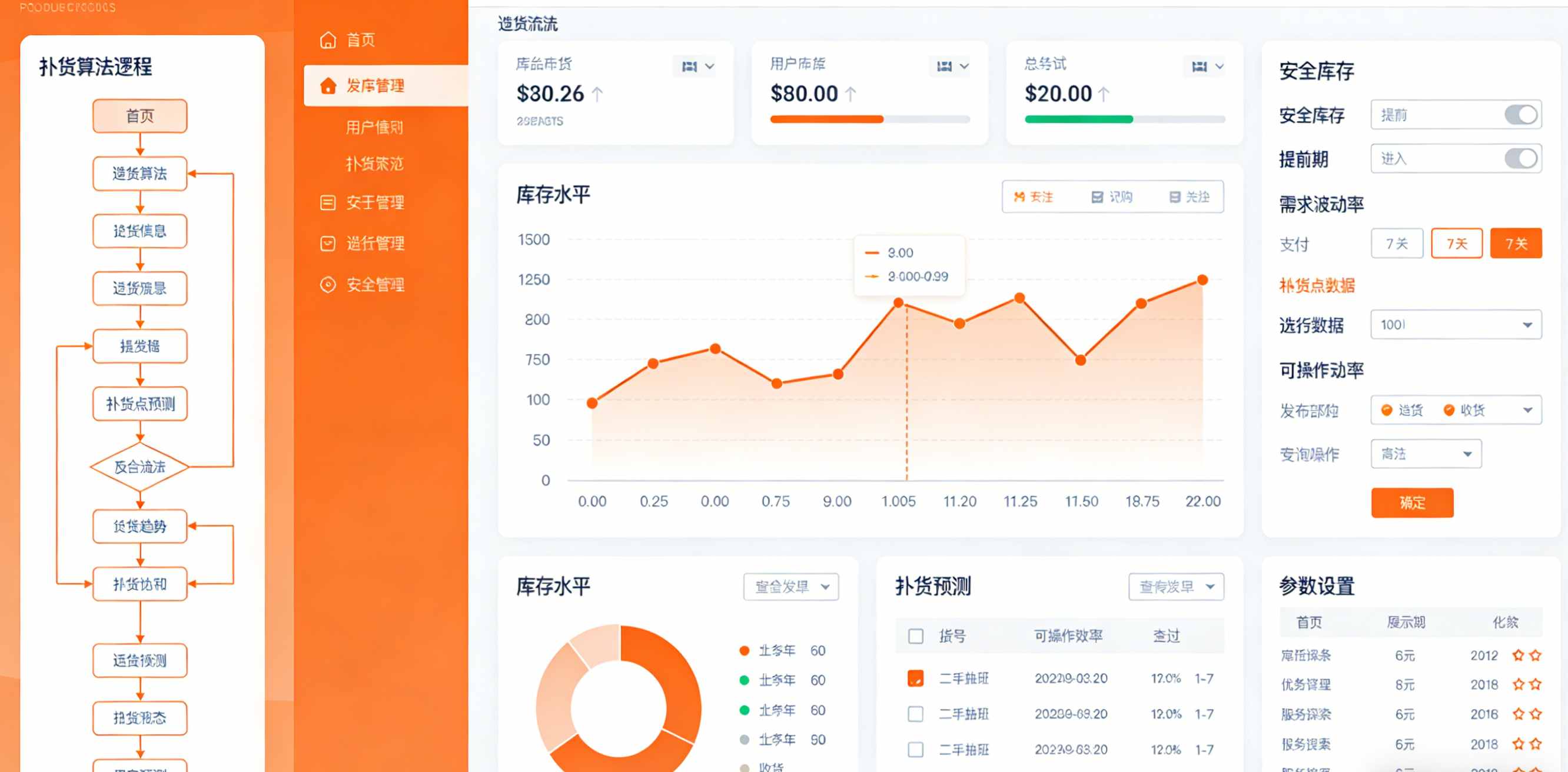
However, for medium to large enterprises with complex production processes and a high volume of orders, relying solely on manual data entry consumes significant labor and is prone to errors, compromising the accuracy and speed of scheduling. In such cases, integrating the production planning and scheduling system with ERP, MES, and other systems enables automatic retrieval of real-time data on orders, inventory, and production execution, reducing manual intervention. Although the production planning and scheduling system can operate independently, the lack of collaboration with other systems prevents the formation of a closed-loop digital management across the entire process, thereby diminishing its overall application effectiveness.