

 Products & Services





 400 676 5650
Time:2026-01-06
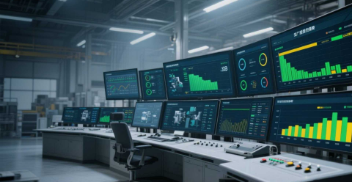
On the manufacturing shop floor, equipment capacity is fixed, material delivery to the warehouse is uncertain, customers keep pressing for orders, and production processes cannot compromise on quality standards. These constraints intertwine, making it extremely difficult to develop a production plan that is both reasonable and practical. Alps Huipai Huipai APS Supply Chain Resource Planning and Scheduling Platform precisely addresses this pain point. Instead of relying on subjective human experience, it uses solid technical methods to find the optimal solution that balances efficiency, cost, and delivery among a multitude of constraints. Supply Chain Planning and Scheduling System brings order to complex production scheduling, meeting all requirements while maximizing overall benefits.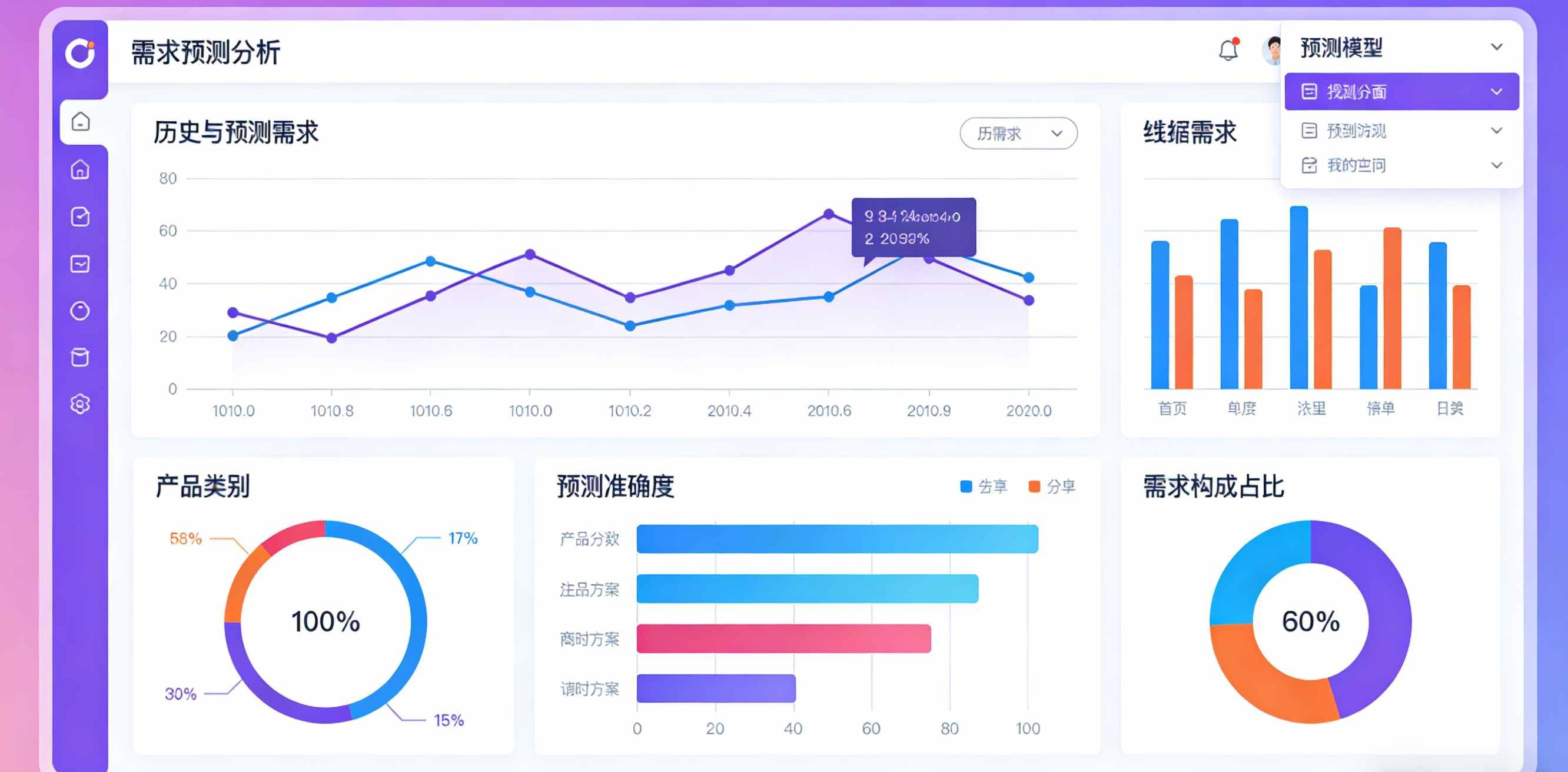
The first step is to fully understand and clarify all constraints. It collects various constraints that may arise in production, such as how much each machine can produce per day, when maintenance is required, whether there are any current breakdowns, remaining material in the warehouse, procurement lead times, which materials must be prepared before work can begin, customer delivery requirements, order priority, product process steps, worker skill sets, and reasonable shift scheduling. These pieces of information are categorized and organized by the system into standardized data, laying a solid foundation for subsequent calculations.
With complete constraint data, the Supply Chain Planning and Scheduling System leverages a powerful algorithmic engine to perform calculations. It combines advanced technologies such as AI and genetic algorithms to find a balance among multiple constraints. For example, it ensures on-time order delivery while avoiding waste of resources like machines and labor, and reducing waiting time in the production process. If a critical machine's workload is already full, the system does not force tasks onto it. Instead, it automatically adjusts the sequence of other processes, reasonably distributing tasks that can be handled by other machines. At the same time, it monitors material arrival times to prevent situations where machines are idle waiting for materials.
The Supply Chain Planning and Scheduling System can also handle unexpected situations. If there is a sudden machine failure, an urgent order, or delayed material arrival—introducing new constraints—it can quickly re-calculate and generate an optimal adjustment plan under the new constraints, preventing disruption to the overall production rhythm.
Supply Chain Resource Planning and Scheduling Platform can adapt to different manufacturing scenarios, optimizing algorithm models based on the constraint characteristics of various industries, so that the calculated optimal solution better aligns with actual production conditions. The value of the Supply Chain Planning and Scheduling System lies in transforming seemingly unsolvable multi-constraint problems into executable production plans through data integration, intelligent computation, and dynamic adjustment. The Supply Chain Planning and Scheduling System not only helps enterprises solve the difficulty of production plan formulation but also enables them to achieve cost reduction and efficiency improvement in complex market environments through scientific planning, becoming a crucial driver for enhancing core competitiveness in manufacturing.