

 Products & Services




 400 676 5650
Time:2026-01-04
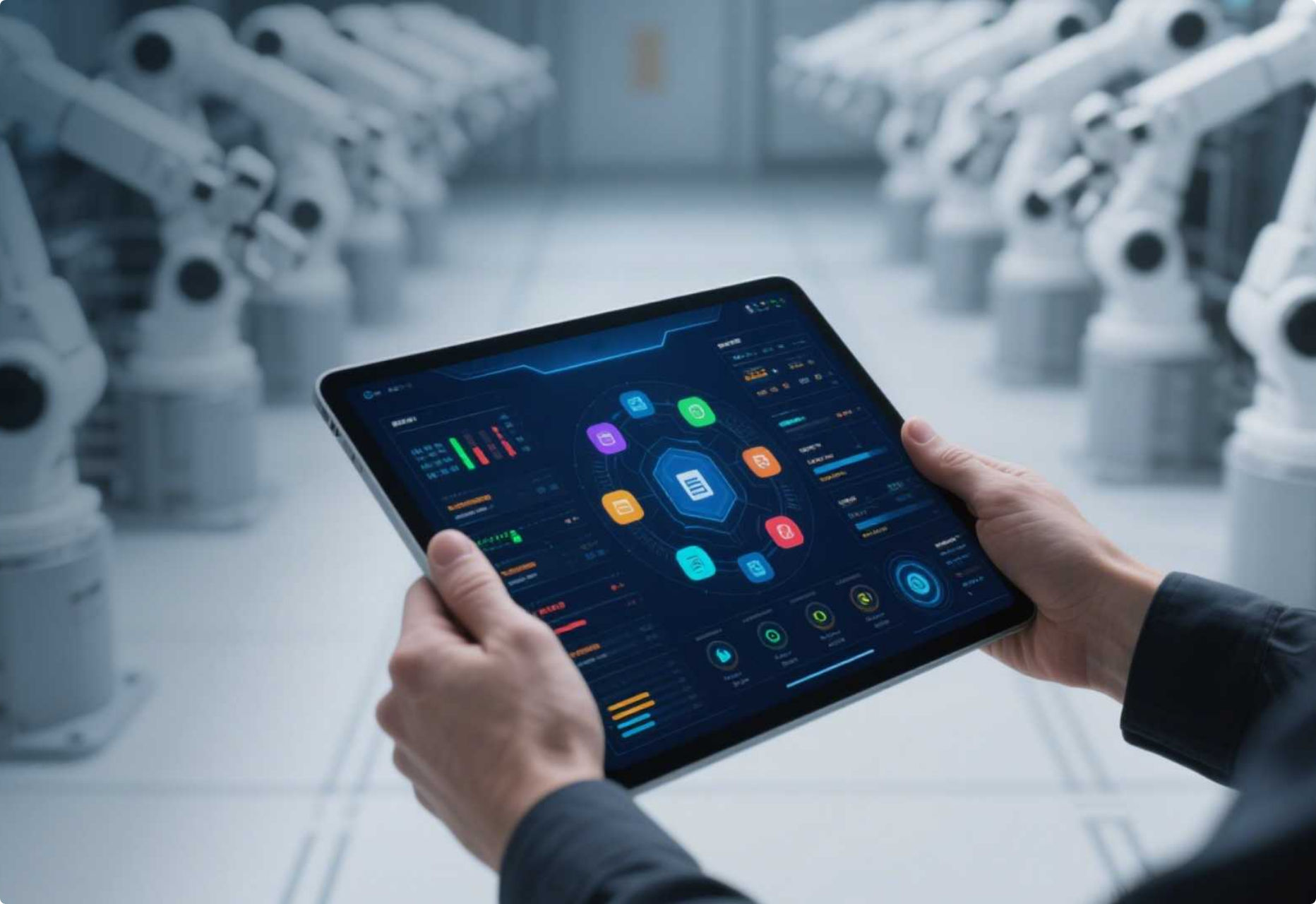
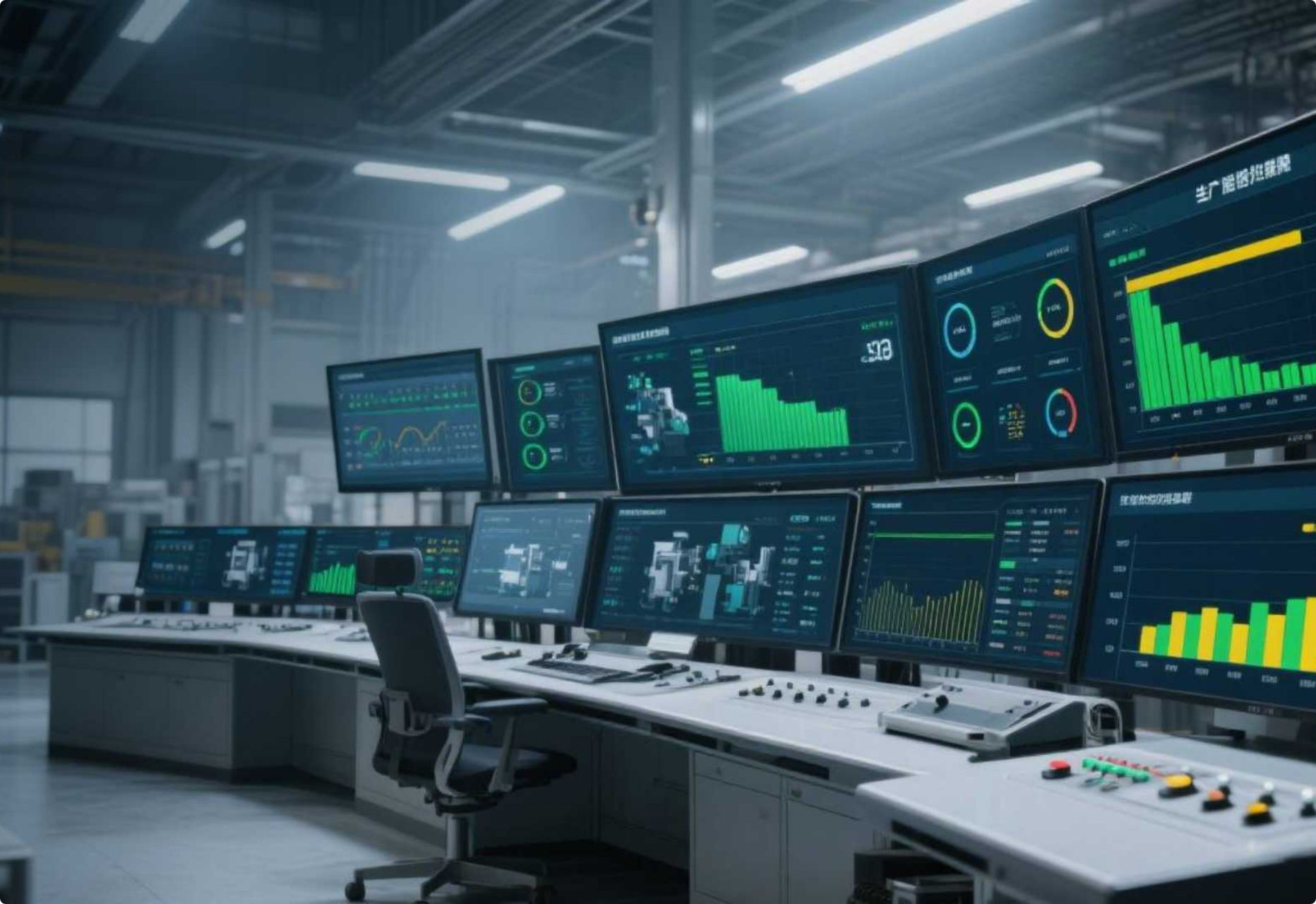
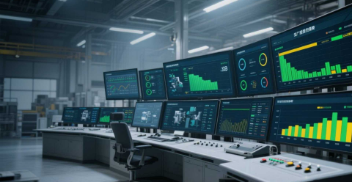
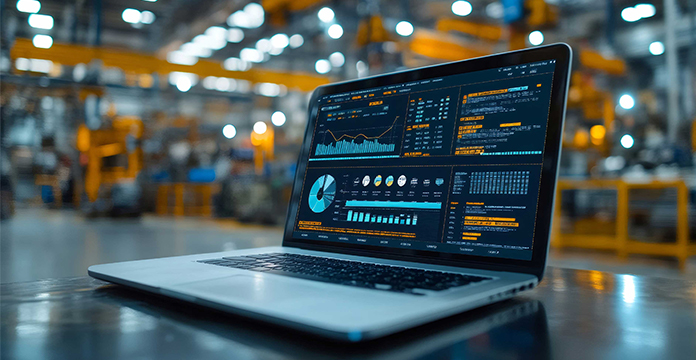
Production Scheduling System achieves dynamic scheduling through real-time data collection, intelligent algorithm-driven dynamic adjustments, and closed-loop verification. The Huipai Production Scheduling System first establishes a full-chain data linkage system, seamlessly connecting with modules such as production execution, equipment management, inventory, and orders in real time. It continuously captures dynamic data including production progress, equipment operational status (e.g., sudden faults or load changes), material arrival status, order quantity changes, and delivery date modifications. Based on predefined scheduling rules and capacity constraints, the system leverages intelligent algorithms to rapidly recalculate and optimize the original production plan—fine-tuning task execution sequences, reallocating resources, and adapting process timings—to ensure the adjusted plan aligns with real-time production conditions.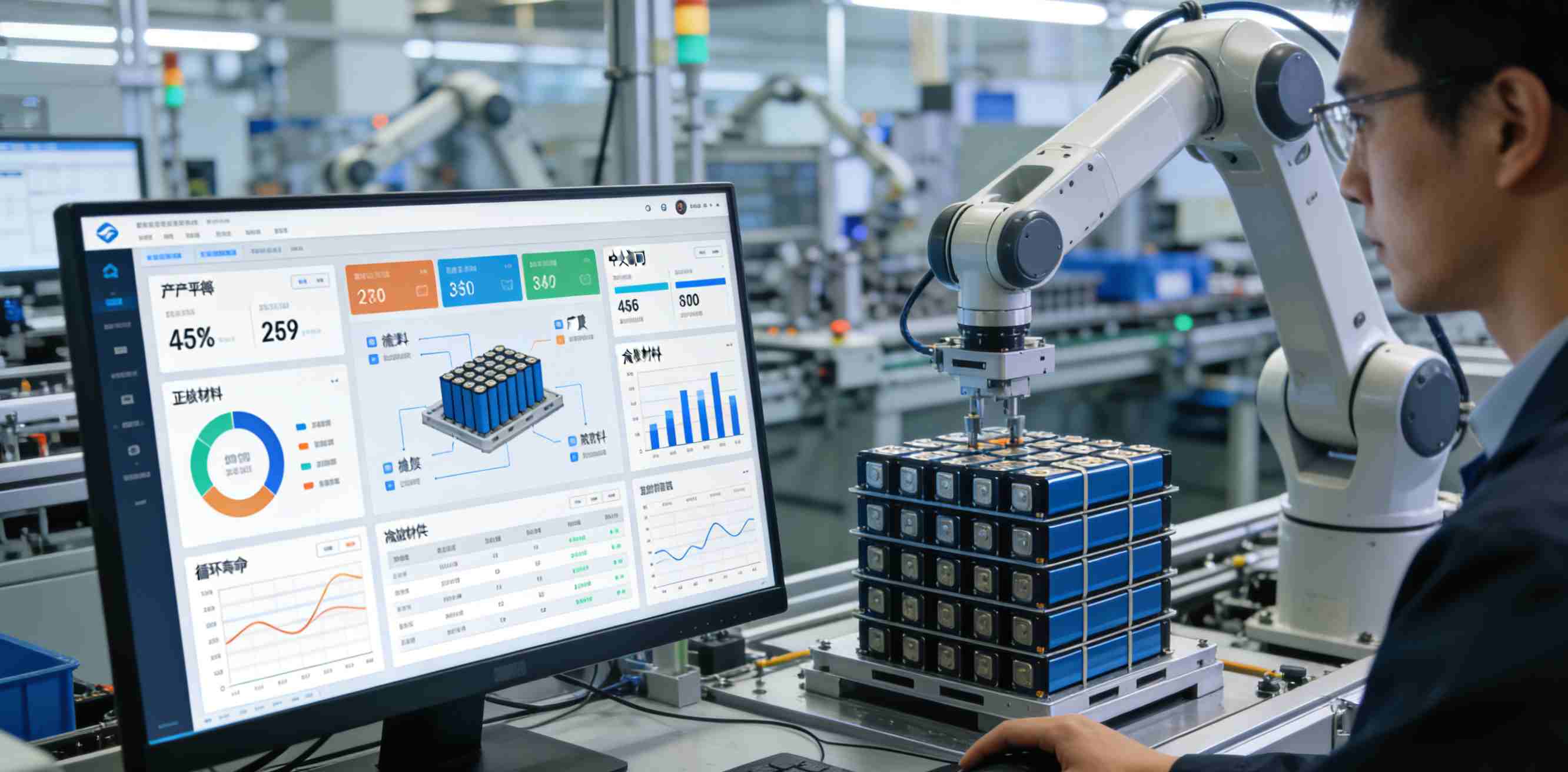
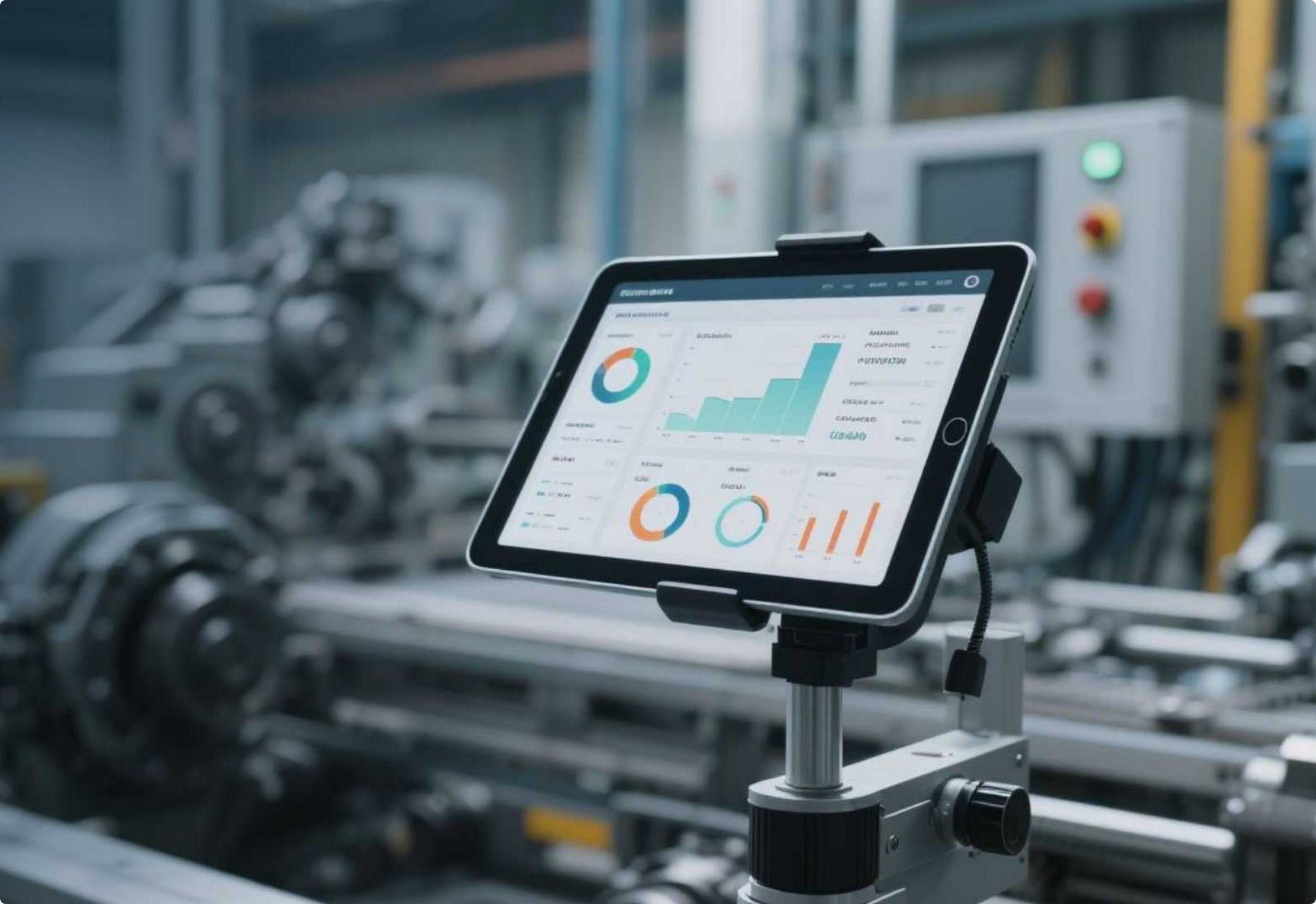
Simultaneously, the Production Scheduling System performs feasibility verification on the adjusted plan, checking for process conflicts, resource overload, material gaps, and other issues. If anomalies are detected, it proceeds with further fine-tuning. The entire process runs without manual intervention, forming a closed loop of "data collection → real-time analysis → plan adjustment → verification and implementation," ensuring the production plan remains precisely aligned with actual production scenarios and maintaining a stable production rhythm.