

 Products & Services





 400 676 5650
Time:2025-12-24
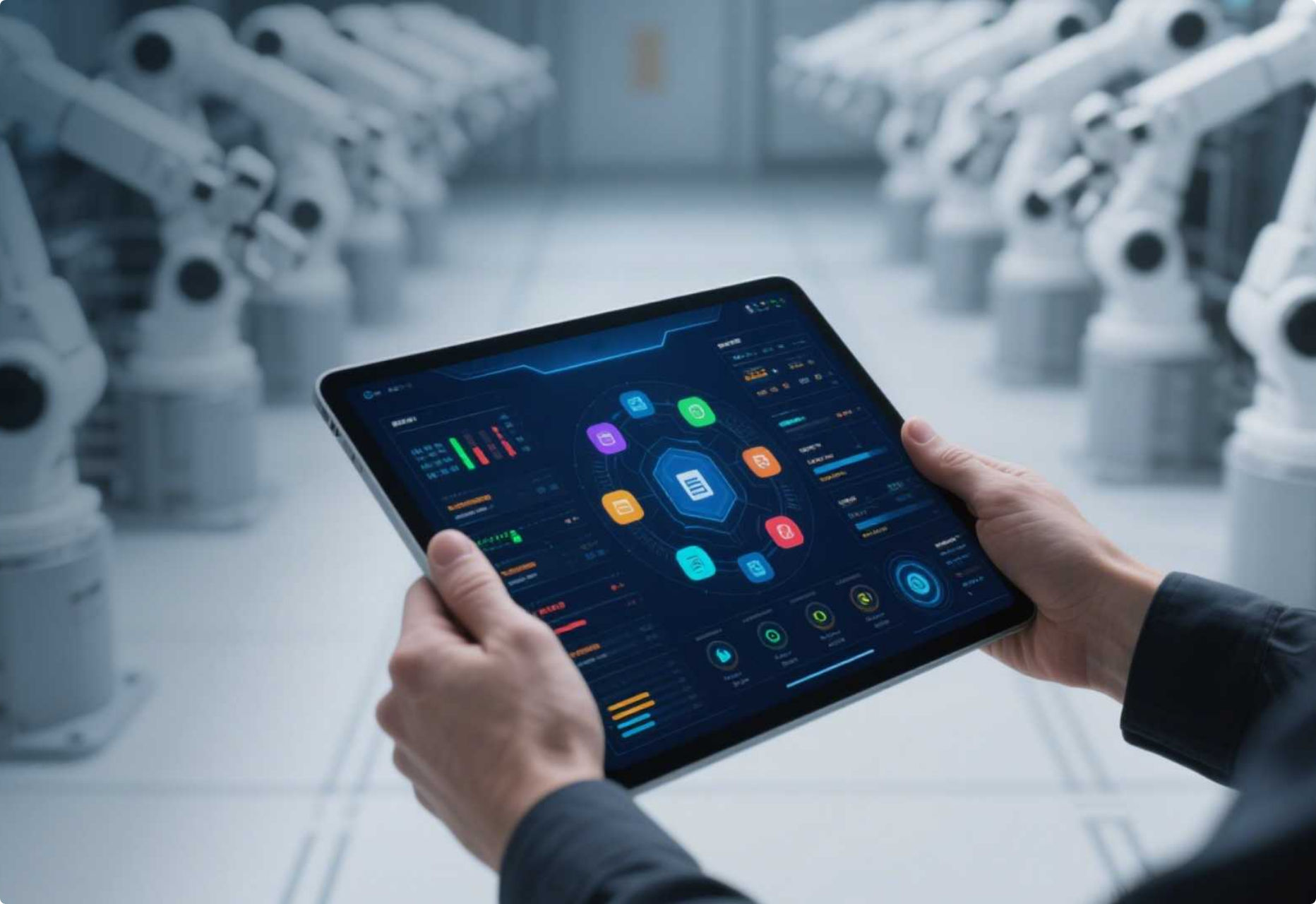
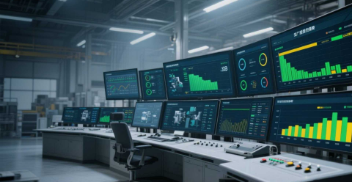
Advanced Scheduling System plays a pivotal role throughout the entire production process in manufacturing enterprises, covering key steps from demand response to plan execution.In scenarios involving high-mix, low-volume production, the HuiPai Advanced Scheduling System swiftly handles complex order situations. By accounting for varying process routes and resource constraints, it automatically generates an optimal production sequence, minimizing die changes and production line changeovers while boosting equipment utilization. When rush orders are frequently inserted, the system immediately identifies their impact on the original plan. Through a rapid rescheduling function, it adjusts the production sequence, ensuring timely delivery of existing orders while accommodating sudden demand.
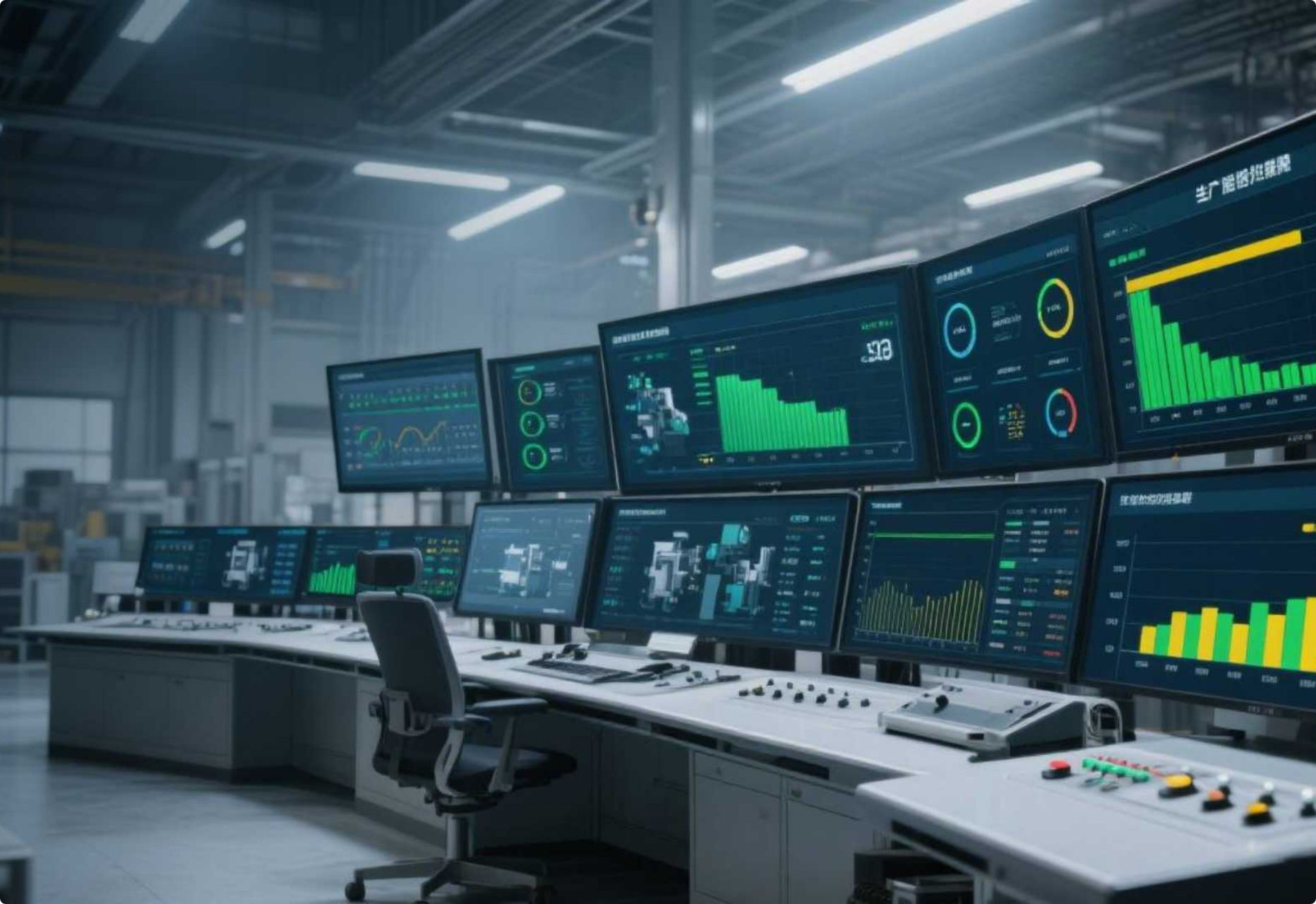
Within supply chain collaboration scenarios, the Advanced Scheduling System connects data from suppliers and outsourced factories, providing an intuitive view of material supply progress and outsourced capacity. Integrated with production plans, it optimizes material readiness and allocation strategies, preventing production stoppages due to material shortages. When optimizing capacity bottlenecks, the system automatically identifies critical constraint processes and employs methods such as adjusting production speed and reallocating resources to release bottleneck capacity, reducing overall production lead time.
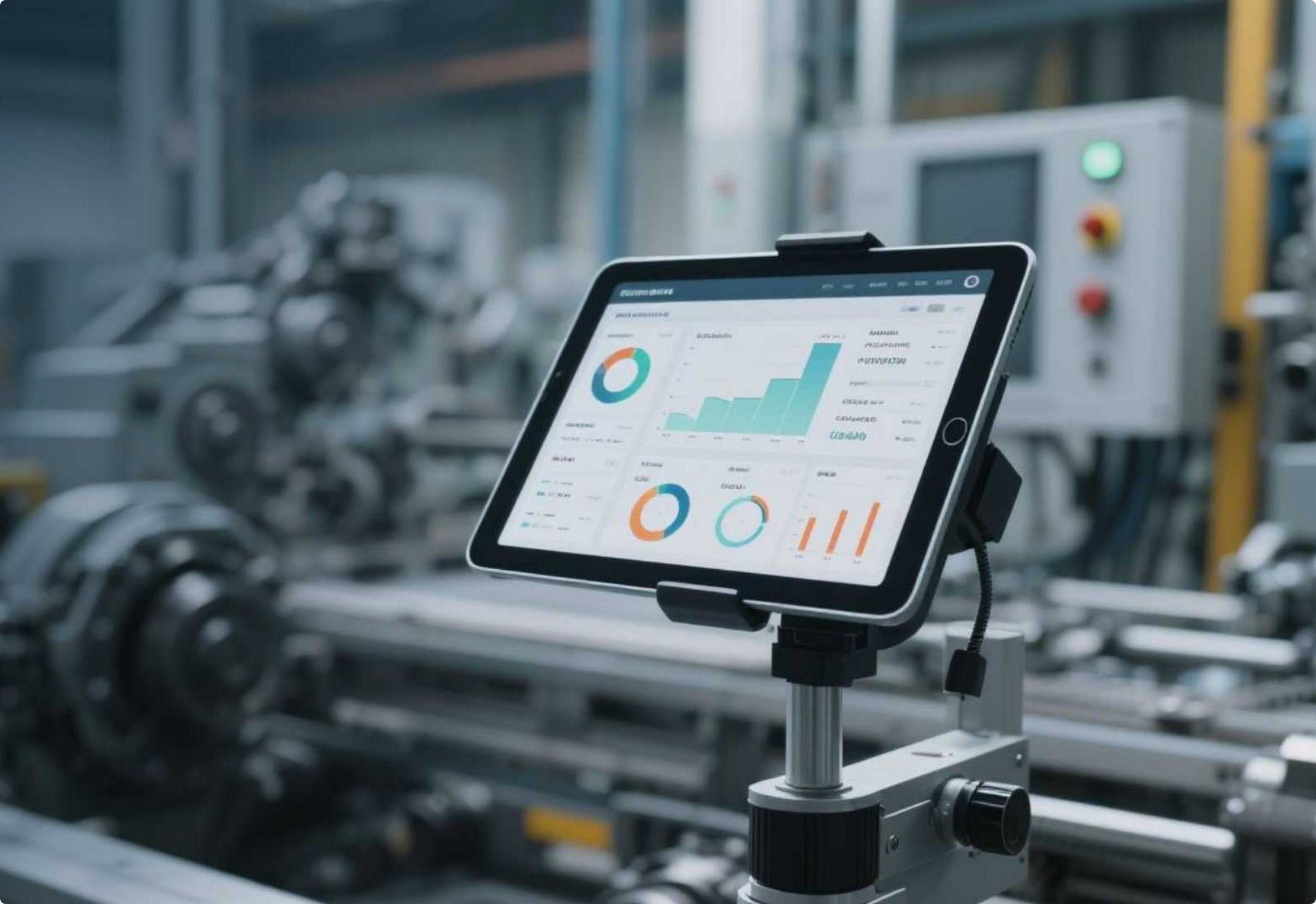
Additionally, for medium- and long-term capacity planning, the Advanced Scheduling System leverages market forecasts and enterprise resource realities to deliver feasible capacity configuration proposals. These provide data-driven support for decisions on capacity expansion and equipment investment, meeting the practical needs of industries such as automotive parts, 3C electronics, and machining.
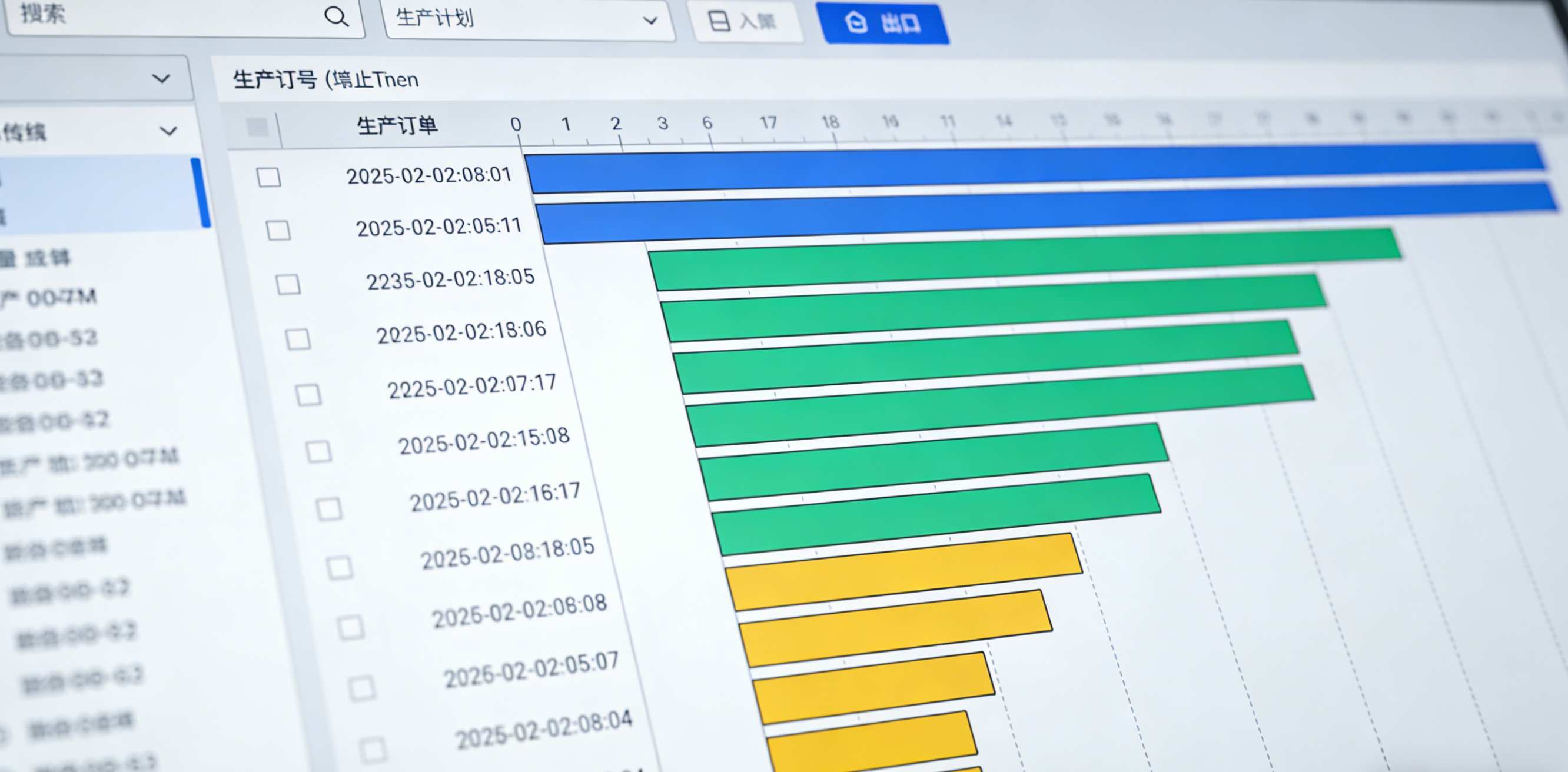
In supply chain collaboration scenarios, the Advanced Scheduling System connects data from suppliers and outsourced factories, providing an intuitive view of material supply progress and outsourced capacity. Integrated with production plans, it optimizes material readiness and allocation strategies, preventing production stoppages due to material shortages. When optimizing capacity bottlenecks, the system automatically identifies critical constraint processes and employs methods such as adjusting production speed and reallocating resources to release bottleneck capacity, reducing overall production lead time.
Additionally, for medium- and long-term capacity planning, the Advanced Scheduling System leverages market forecasts and enterprise resource realities to deliver feasible capacity configuration proposals. These provide data-driven support for decisions on capacity expansion and equipment investment, meeting the practical needs of industries such as automotive parts, 3C electronics, and machining.