

 Products & Services








 400 676 5650
Time:2026-03-20
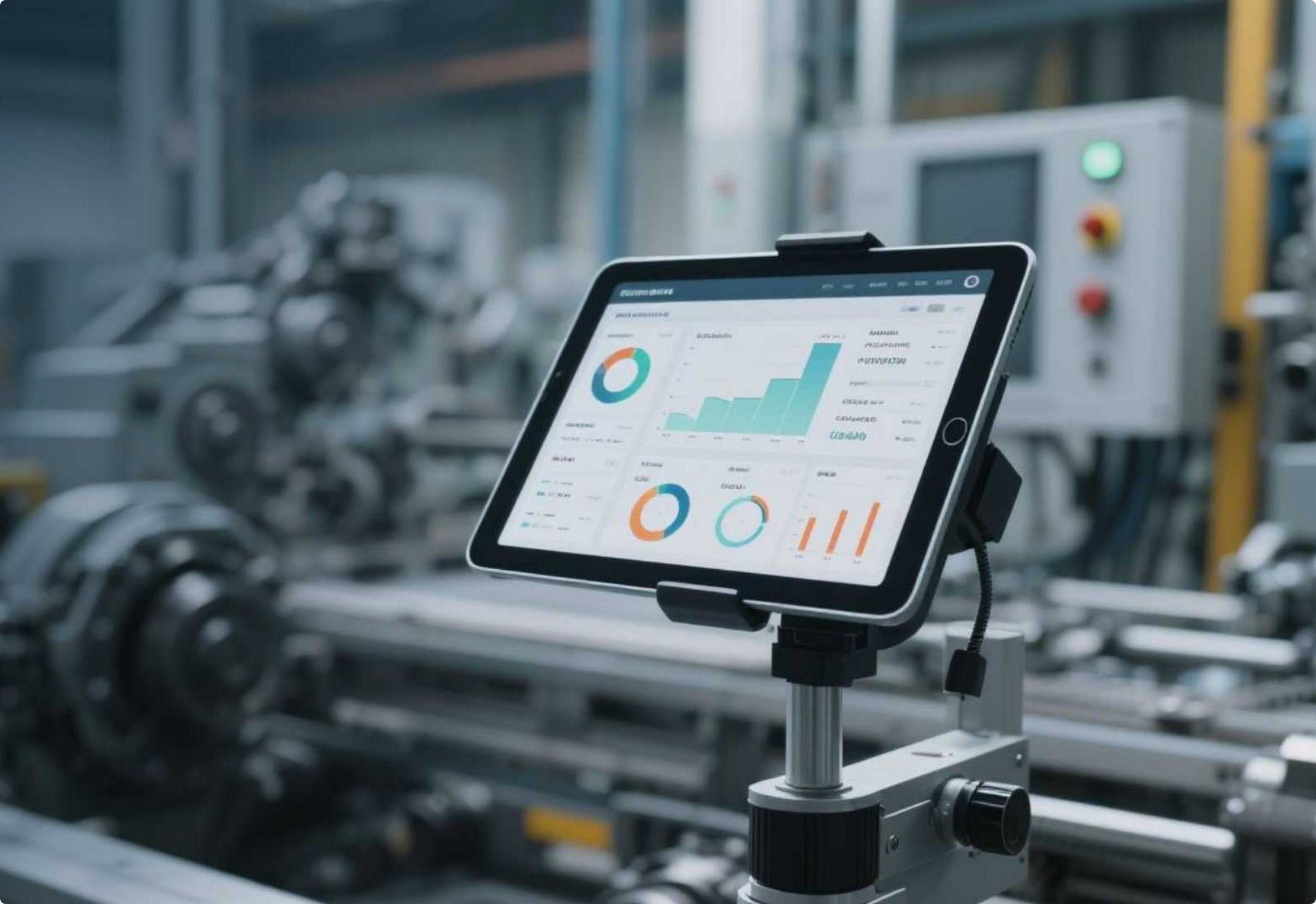
In the daily operations of an enterprise, the Supply Chain Planning and Scheduling System can break down data silos across departments such as procurement, production, warehousing, and logistics. It ensures that procurement teams are promptly informed of the materials needed for production, warehouse managers have real-time visibility into inventory changes, and production departments understand the sequence of operations—preventing production delays or material waste caused by communication gaps.When it comes to the production stage, the Supply Chain Planning and Scheduling System rationally allocates production lines and determines the order of tasks based on order delivery deadlines. For instance, urgent orders are prioritized to streamline the production process. This not only shortens production lead times but also reduces costs associated with worker idle time and equipment downtime. Furthermore, it ensures that the output aligns with market demand, minimizing overproduction from the outset.
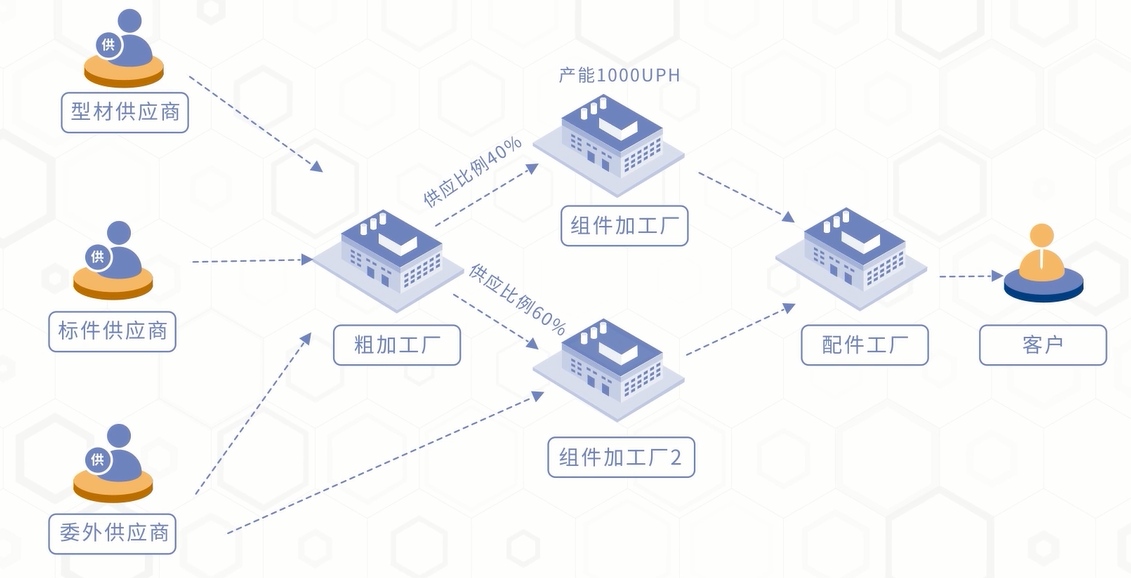
Additionally, the Supply Chain Planning and Scheduling System continuously monitors the performance of all supply chain links. If unexpected issues such as material shortages or logistics delays arise, it can promptly adjust production and delivery plans, ensuring stable supply chain operations and mitigating losses from disruptions. The essence of lean operations lies in eliminating waste and enhancing core value. The Supply Chain Planning and Scheduling System, through precise planning, efficient collaboration, and dynamic adjustments, perfectly aligns with this principle, gradually improving an enterprise’s lean operational capabilities.