

 Products & Services




 400 676 5650

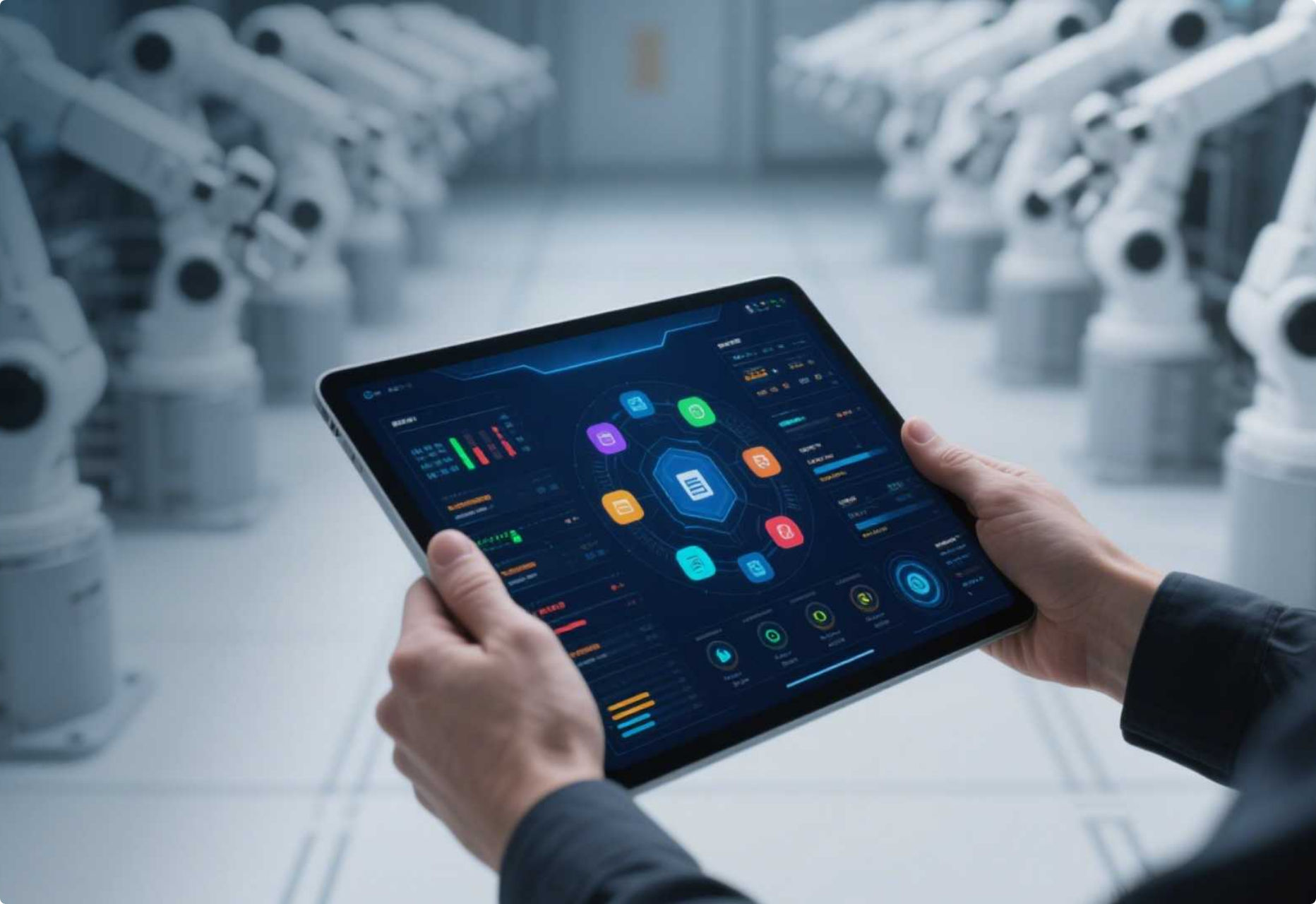
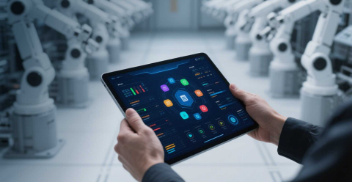
In the past, smart factories could only be seen in “sci-fi movies,” but now, with the continuous advancement of technology, they have been applied globally and have received unanimous praise from Fortune Global 500 companies. As the mainstream of current manufacturing, smart factories break traditional production models and, with the innovative strategy of “electrification, intelligence, connectivity, sharing, and internationalization,” help traditional manufacturing enterprises achieve transformation.
It is undeniable that achieving the transformation to a smart factory by replacing old equipment does require a large amount of capital. However, for small and medium-sized enterprises, the realization of smart factories can take another path——choosing cutting-edge smart factory solutions can greatly reduce the investment needed for a smart factory.
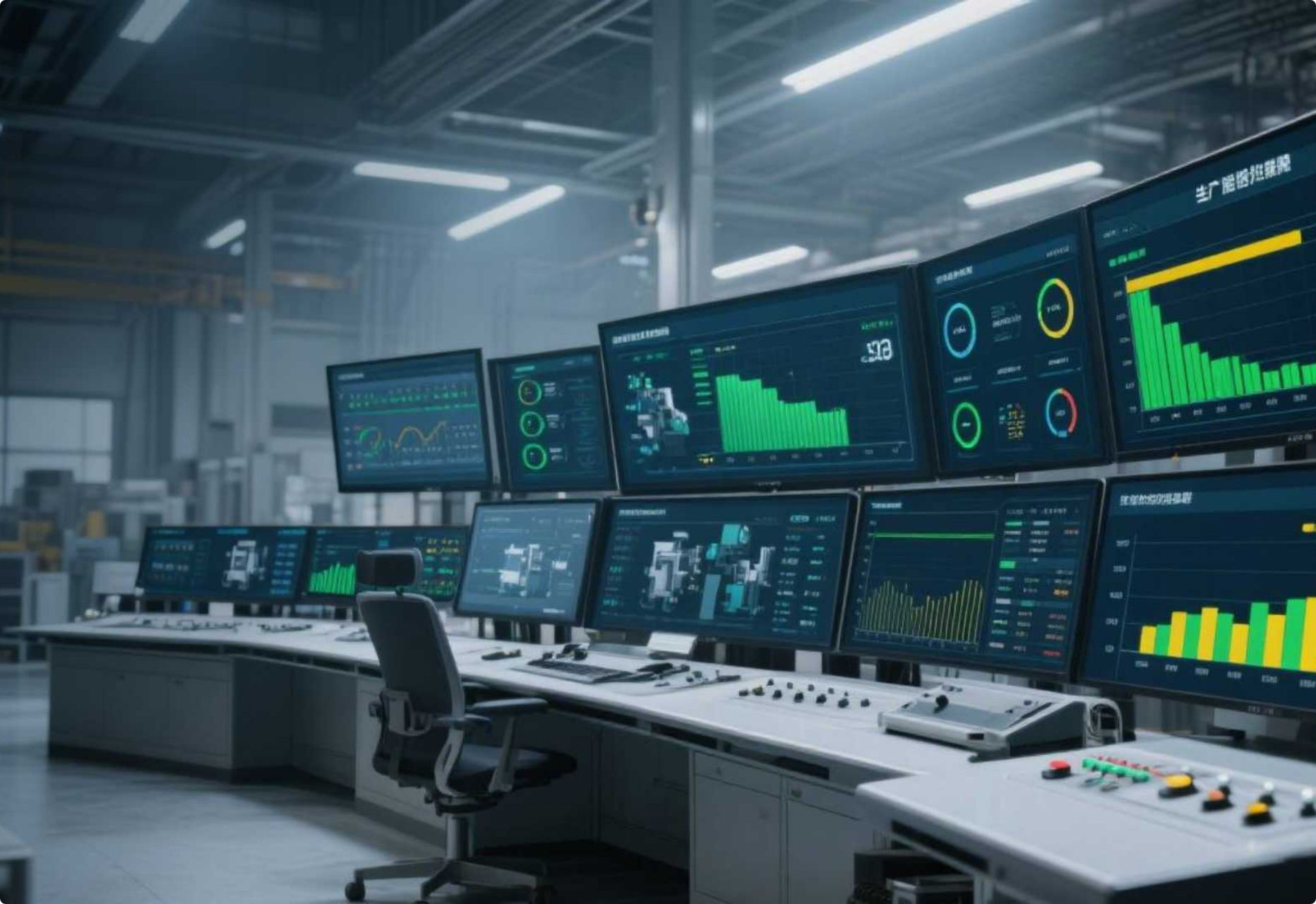
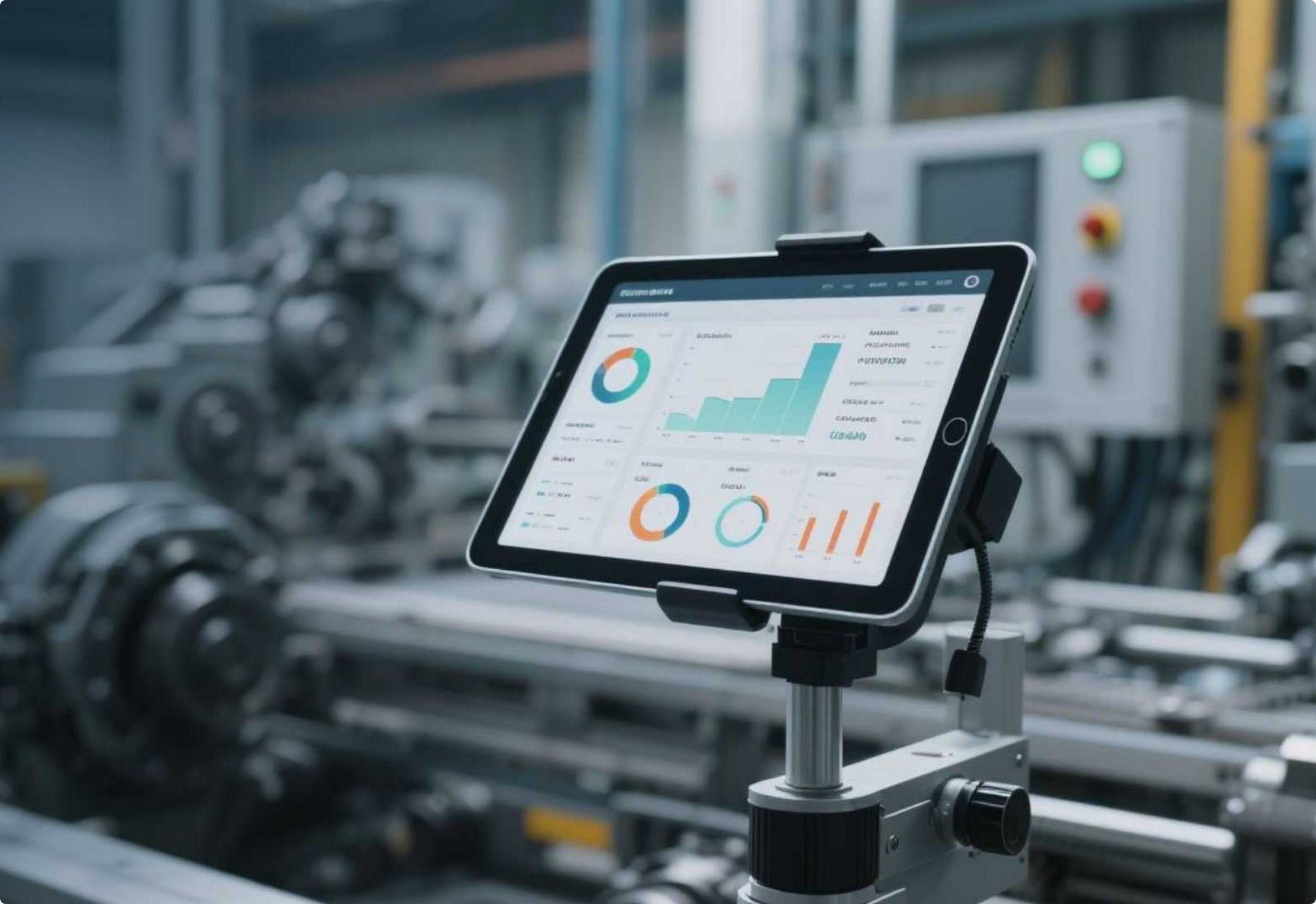
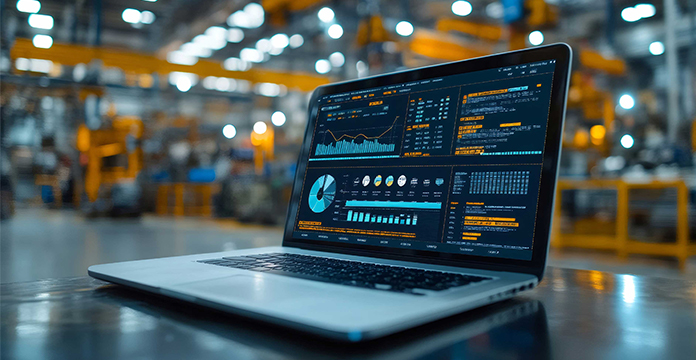
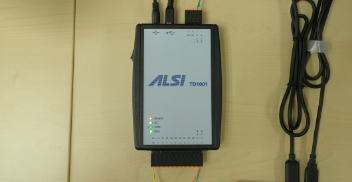
In the current market, the equipment status monitoring system from Alps System Integration (Dalian) Co., Ltd. (abbreviated as “ALSI”), which has been unanimously recognized by enterprises, is a better choice for building a smart factory. Since its inception, it has been praised by various companies. The ALSI equipment status monitoring system has a very unique advantage: “compatibility with over 90% of equipment.” This means that after introducing the ALSI equipment status monitoring system, small and medium-sized enterprises can quickly build a smart factory without worrying about old equipment failing to communicate or being unable to “collaborate.” The ALSI system manages all old equipment uniformly, making it convenient for frontline staff to operate and easier for managers to monitor the workshop at any time.
Data shows that after enterprises transform into smart factories with the help of the ALSI equipment status monitoring system, quality defects are significantly reduced, product output is effectively increased, and overall production efficiency has achieved “rapid improvement.” These are industry bottlenecks that traditional production enterprises could not break through despite years of research and upgrades, but they are easily achieved in smart factories, which fully demonstrates the importance of smart factories for production-oriented enterprises.
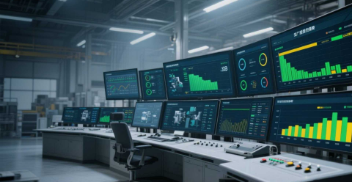
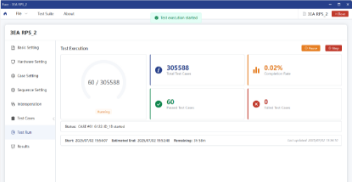
For the numerous production equipment, complex business processes, huge production systems, and large amounts of process data of production-oriented enterprises, the ALSI smart factory solution connects production factors with cutting-edge technology, becoming a powerful functional endorsement for smart factories. It helps operation and maintenance personnel monitor the workshop, helps department heads understand production efficiency, and when equipment problems are detected, it sends real-time alerts to responsible personnel and tries to fix the issues, ensuring uninterrupted production and business. Smart factories coordinate all production from the workshop to management, from equipment to manpower, and are key to improving profits for small and medium-sized enterprises.