

 Products & Services





 400 676 5650
The intelligentization of aging equipment has always been a challenge for small and medium-sized manufacturing enterprises.
On one hand, although aging equipment lacks digital capabilities, it still operates well and is far from being scrapped. However, since these devices cannot automatically extract status data, they have become data silos, making networked management impossible.
On the other hand, replacing old equipment with new digital, intelligent machines is too costly, and enterprises do not have the financial resources to phase out all aging equipment.
These two factors cause SMEs to face a dilemma when undergoing digital and intelligent transformation: they don't know how to transform, can't transform, and dare not transform.
How to solve this dilemma?
On December 27, 2021, ALSI Dalian hosted an online technical seminar on the Control Engineering website titled "Aging Equipment Can Also Become Intelligent."

Addressing the issue of aging equipment intelligentization, smart factory planning and design expert Yang Xianrong and Tang Chuangang, Product Manager at Alps System Integration (Dalian) Co., Ltd. (ALSI Dalian), delivered keynote speeches, providing solutions from both conceptual and operational perspectives.
Mid-to-high-level technical and management personnel from various industries including machinery, electronics, equipment, automotive, steel metallurgy, energy and electricity, chemical, pharmaceutical, petrochemical, etc., participated online.
During the live stream, nearly a thousand questions were raised online. Participants highly agreed with Mr. Yang's viewpoints and showed great interest in the ALSI equipment status monitoring system.
Change of Mindset: For Aging Equipment Intelligentization, Obtaining OEE Data Is Sufficient
No Need to Achieve Everything at Once
Mr. Yang Xianrong, a smart factory planning and design expert, manufacturing digital lean system planning designer, founder of the Prospective Tower-Precision Digital Intelligence Forum, and innovative entrepreneur mentor at the New Innovation College of Jiangsu University, first shared his insights in a keynote titled "Using Quick Intelligence to Master Equipment Health and Efficiency."
He stated that technology is driving the evolution of enterprises, and time-saving, labor-saving, and headcount-reducing have become basic corporate awareness. Tasks that can be done by equipment will be handed over to equipment, leading to an increasing number of devices in factories.
Therefore, in the digital intelligence era, managing equipment well and improving its efficiency will be the core and top priority of the manufacturing site.
Mr. Yang believes that the simplest and most effective way to manage equipment and improve efficiency is through the improvement of Overall Equipment Effectiveness (OEE).
OEE is related to equipment availability, performance efficiency, and quality rate. The values of availability, performance efficiency, and quality rate derive from real-time statistics of the six major losses (breakdowns, setup/adjustment, idling/minor stoppages, reduced speed, defects/rework, and startup losses).

Mr. Yang emphasized that improving data issues does not require grand, one-step solutions.
He said that improvement work should not be flashy but should align with the short-term economic benefits of the enterprise and solve practical problems. For aging equipment to achieve digitalization and intelligentization, obtaining OEE data is sufficient to address equipment management and control.
Focus on Practical Results: ALSI Dalian Finds an Alternative Approach
Helping Enterprises Acquire Equipment Status Data at Low Cost
How to obtain OEE data?
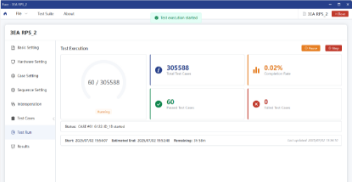
Tang Chuangang, Product Manager at ALSI Dalian, introduced the ALSI equipment status monitoring system, stating that it can provide managers with visualized OEE reports in three steps.

Step 2: Data is transmitted to the Lighthouse application system via a wireless gateway TG-10, or directly to the enterprise's existing MES or ERP system.
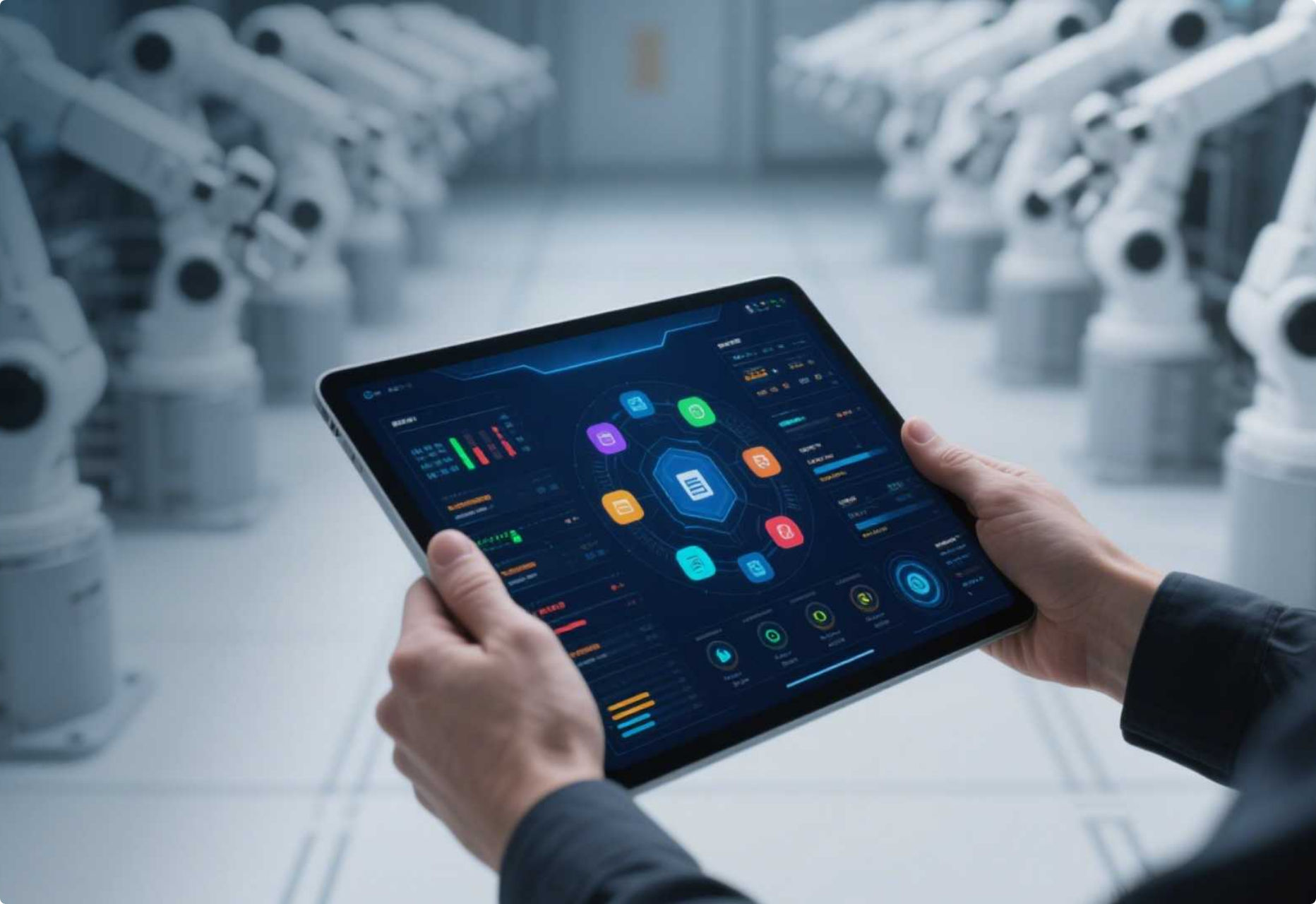
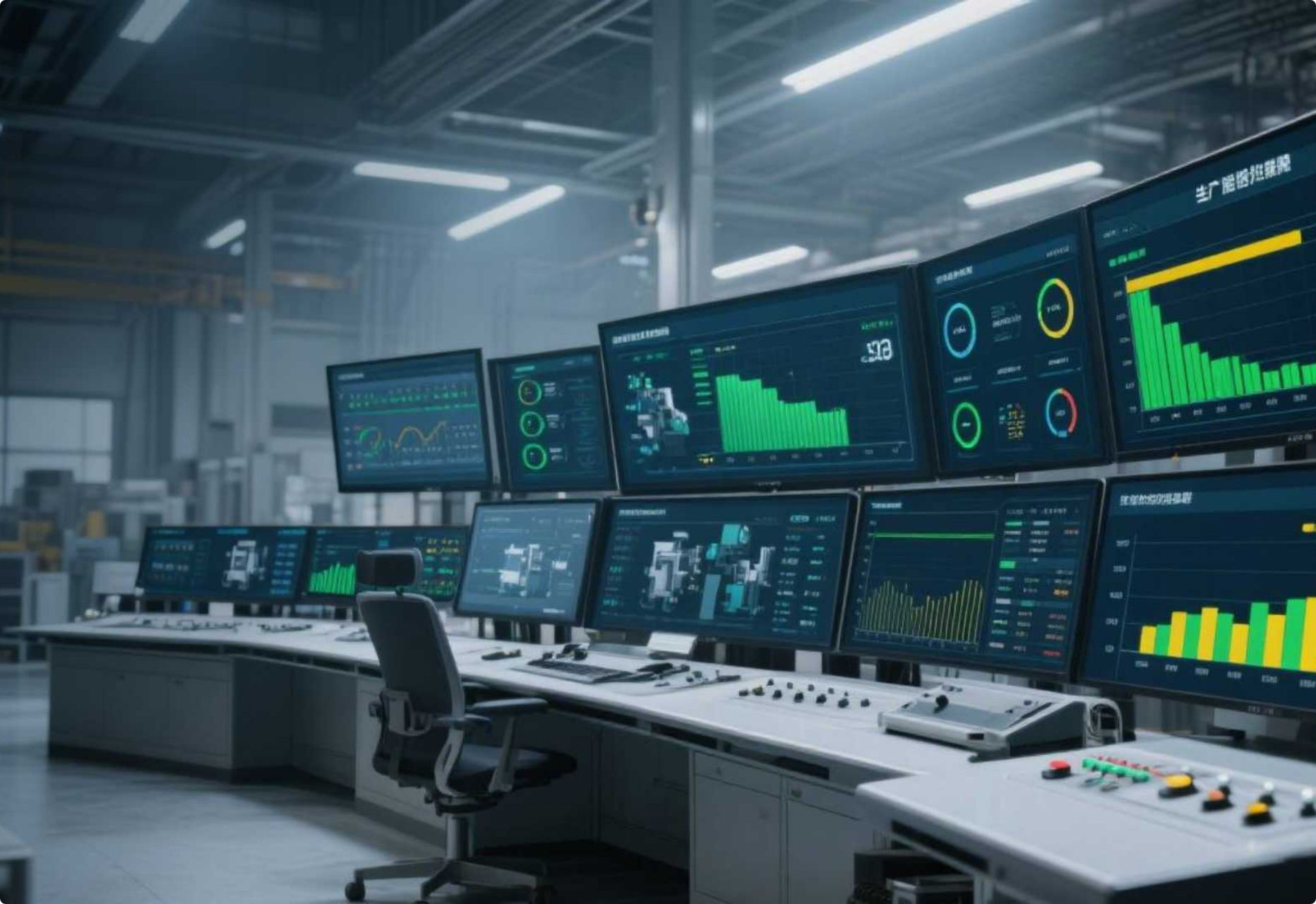
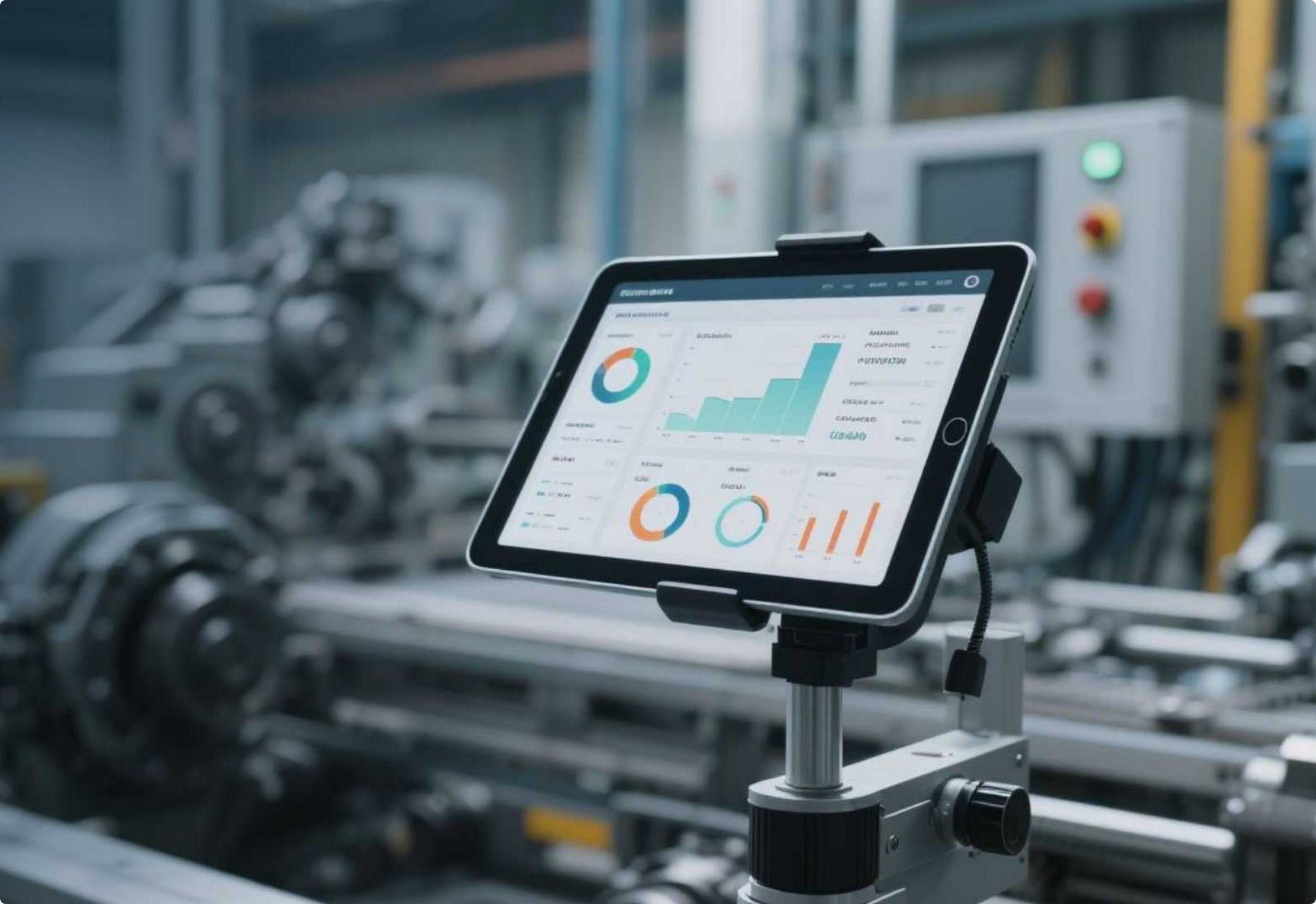
Step 3: The system automatically performs statistical analysis and generates visualized statistical data reports. Managers can view the latest dynamic data and understand the current status anytime on PCs, large screens, mobile phones, and tablets.
Tang Chuangang said that mastering OEE is equivalent to opening the door to efficiency improvement through digitalization.
By using the OEE values captured by the system, managers can specifically improve the six major losses affecting OEE, directly enhancing equipment efficiency.
Making decisions based on data is more scientific and reasonable.
This practical approach of ALSI Dalian not only solves the problem of aging equipment not being able to be digitalized or intelligentized, but its cost is only one-third of the PLC data reading method, posing no financial pressure on enterprises.
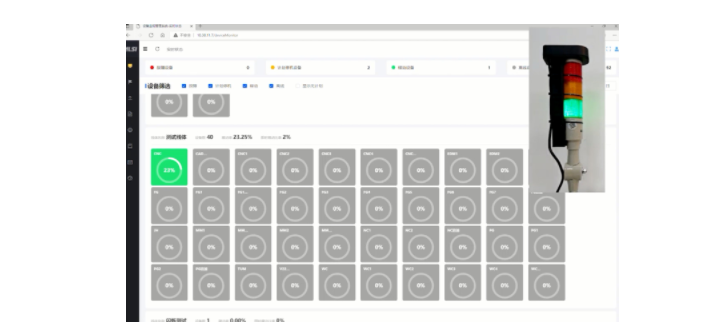
According to reports, this system has been widely applied across multiple industries, with typical applicable production lines including SMT lines, injection molding lines, stamping lines, electroplating/coating lines, and assembly lines.
We can proudly say that the product's accuracy rate is nearly 100%
The ALSI equipment status monitoring system not only features clever data collection methods and low cost but also boasts commendable performance indicators.
Tang Chuangang, Product Manager at ALSI, stated that these achievements come from proprietary patented technology and millions of tests along with two years of actual field application.
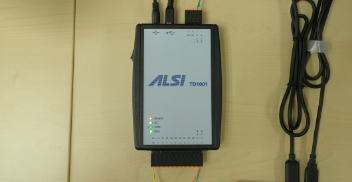
The data acquisition terminal TS-10 independently owns intellectual property rights and features simple installation, reusable, strong adaptability, automatic upgrade, and strong anti-attenuation and anti-interference capabilities.
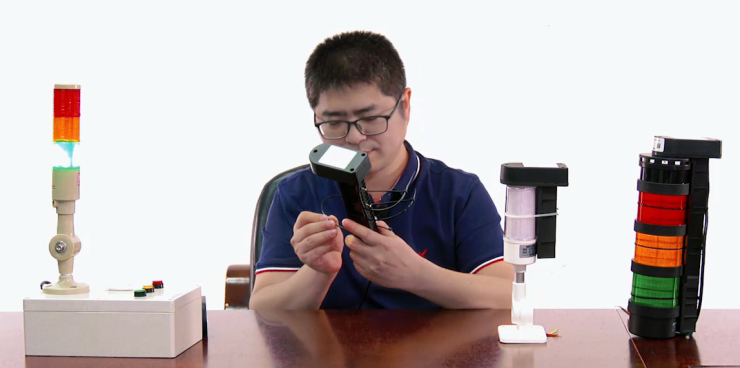
Moreover, the TS-10 is detachable and reusable, compatible with 90% of signal towers on the market, ensuring no resource waste.
To ensure accuracy, ALSI Dalian has equipped the TS-10 with OTA unattended upgrade and heartbeat self-test functions. The smart gateway can be remotely restarted, and the system time is automatically calibrated via NTP to ensure data synchronization.
Considering the varying lifespans of different three-color lights and the impact of light intensity on acquisition accuracy in different factory environments, ALSI Dalian uses machine self-learning and pattern recognition technologies to enable the acquisition terminal to perform algorithm iteration autonomously.
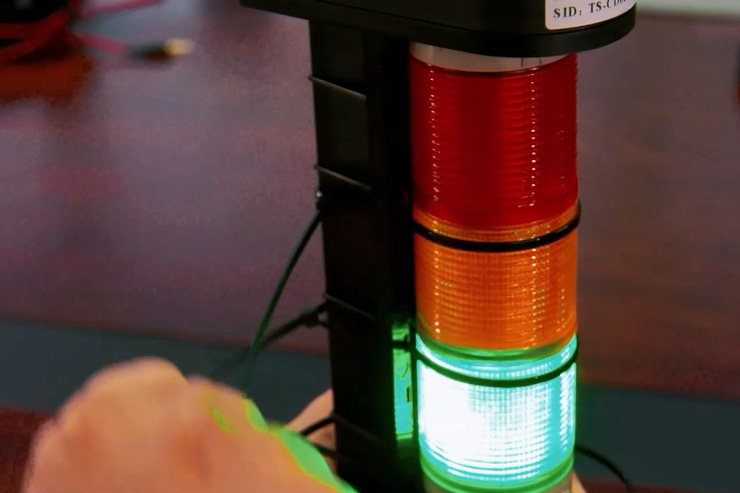
To verify data accuracy, ALSI Dalian conducted millions of tests in simulated environments and then used the system for two years in actual scenarios across eight domestic factories of the Alps Alpine Group.
This precision engineering and rigorous validation have resulted in the high performance and high accuracy of the ALSI equipment status monitoring system.
This solution also provides a breakthrough for SMEs in digital and intelligent transformation.
Tang Chuangang said that intelligentization is not easy for SMEs. To make it more convenient for SMEs to start with the intelligent upgrade of aging equipment as a breakthrough, ALSI Dalian can provide two deployment options—"on-premise deployment" or "cloud deployment"—based on the actual needs of the factory.
If a factory does not have a dedicated server or IT maintenance personnel, ALSI recommends the cloud deployment option, which does not require a dedicated server and can ease financial pressure.
At the same time, ALSI Dalian can also provide application suggestions based on local government policies for smart transformation, helping factories enjoy policy support.
Conclusion
ALSI Dalian's R&D work for the digital and intelligent transformation of SMEs continues.
In addition to the equipment status monitoring system, ALSI Dalian has developed systems such as the smart maintenance system, mold lifecycle management system, power monitoring system, and instant notification system, which have become key drivers for SME digitalization and intelligentization.
In the future, ALSI Dalian will further deepen its research on the Industrial Internet of Things, continuously output more solutions for manufacturing SMEs, and truly help small and medium-sized manufacturing enterprises successfully undergo digital and intelligent transformation and achieve industrial upgrading.
Based on the current development status and bottlenecks faced by small and medium-sized manufacturing enterprises, ALSI Dalian aims to create a sustainable development path that meets the needs of modern manufacturing enterprises.

Scan the QR code to watch the seminar video
Seminar materials download link: Industry Experts' In-depth Sharing & Smart Management Solution Interpretation – Packed with干货, Download without Regret!