

 Products & Services





 400 676 5650
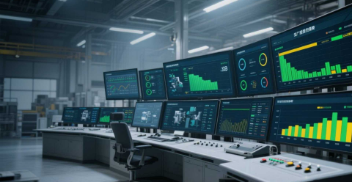
The Ministry of Industry and Information Technology's "14th Five-Year Plan for E-Commerce Development" emphasizes promoting the deep integration of big data and the Internet of Things. With the development and popularization of smart factories, the implementation of lean production has become increasingly urgent. The execution of production tasks in various factories is increasingly relying on equipment maintenance management systems for support. The ensuing challenge is how relevant departments can use the system to provide better, measurable services that meet lean production requirements, while also adapting to market demands and the impact of introducing new systems, allowing lean production to drive factory development.
Lean production requires a certain level of robustness. The integration of the ALSI Smart Maintenance System makes lean production more resilient. How so? We know that the service life of production equipment is generally long, but during the production process, improper operation or maintenance often fails to ensure normal equipment usage. It is understood that 42% of industrial equipment failures cause unexpected downtime, and the annual downtime cost of approximately $5 million leaves managers frustrated and regretful. How can frequent equipment failures be eliminated? How can hard-earned funds avoid going down the drain? How can factory personnel develop a proactive maintenance awareness from top to bottom, gain the ability to sense and predict in advance, carefully inspect equipment for hidden faults, deeply analyze equipment maintenance data, reduce the probability of major equipment accidents, and embed the lean production management philosophy of "zero accidents, zero errors, zero defects" into everyone's mind? Finding a powerful, self-compatible equipment maintenance management system that meets actual needs is crucial.
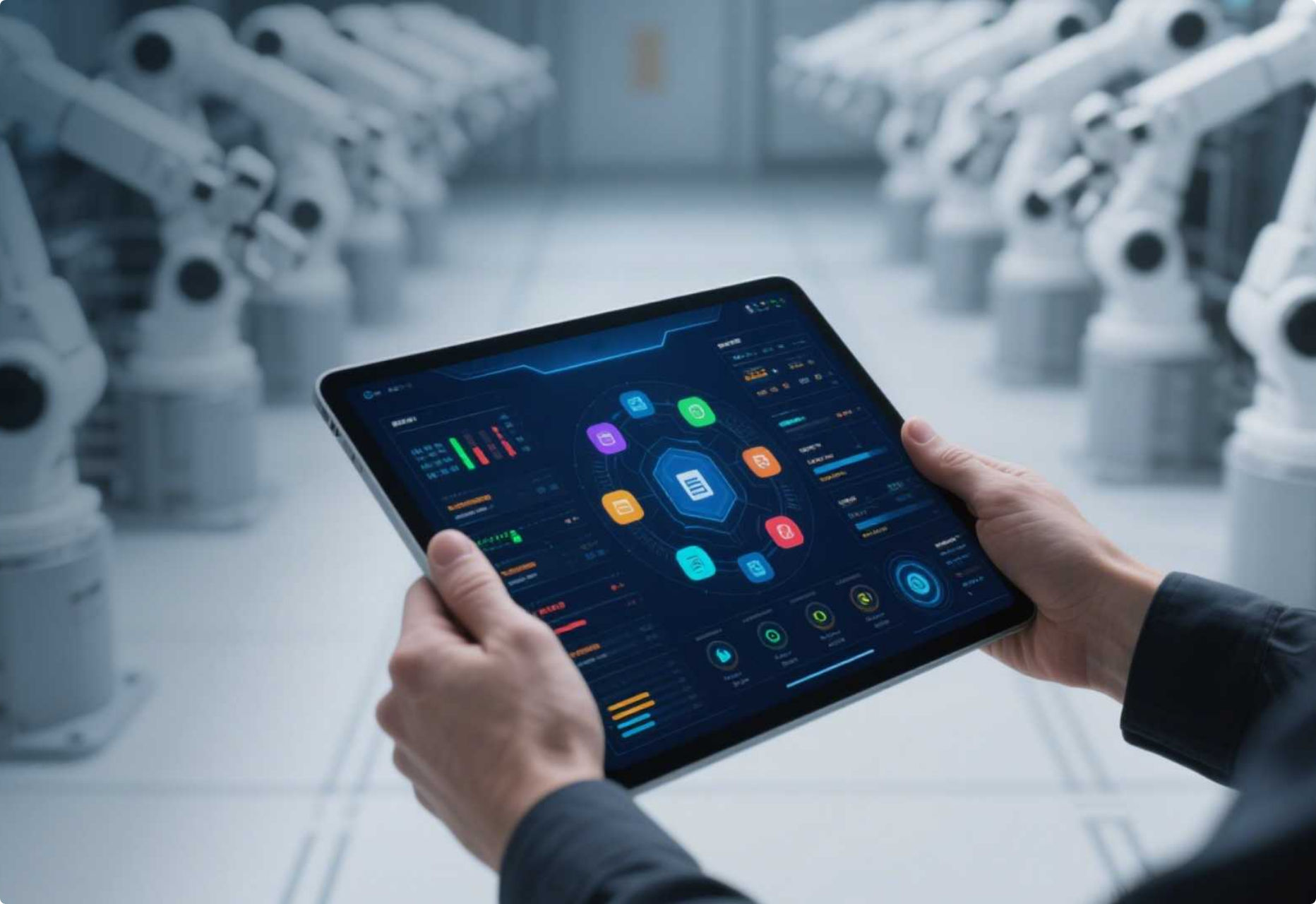
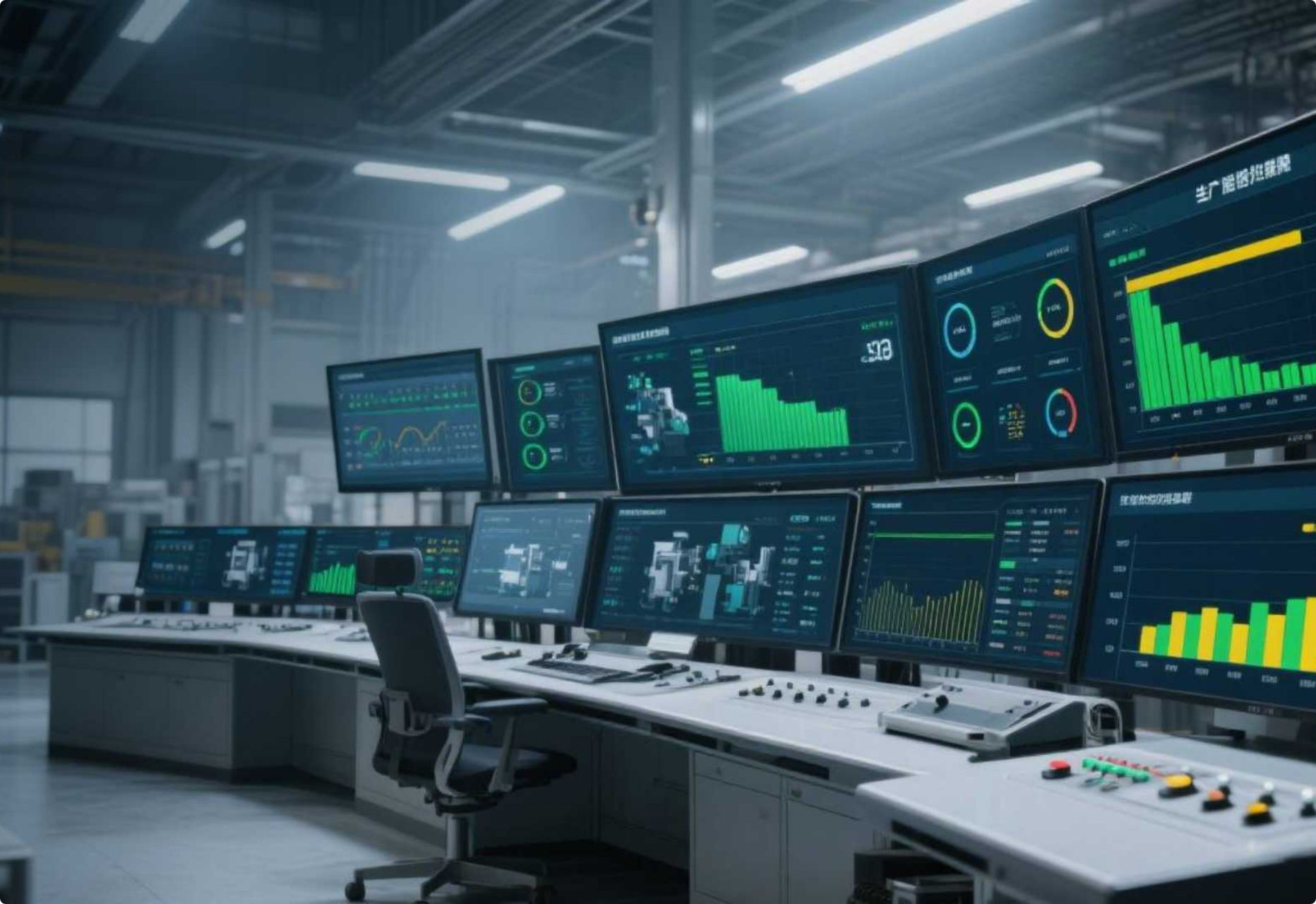
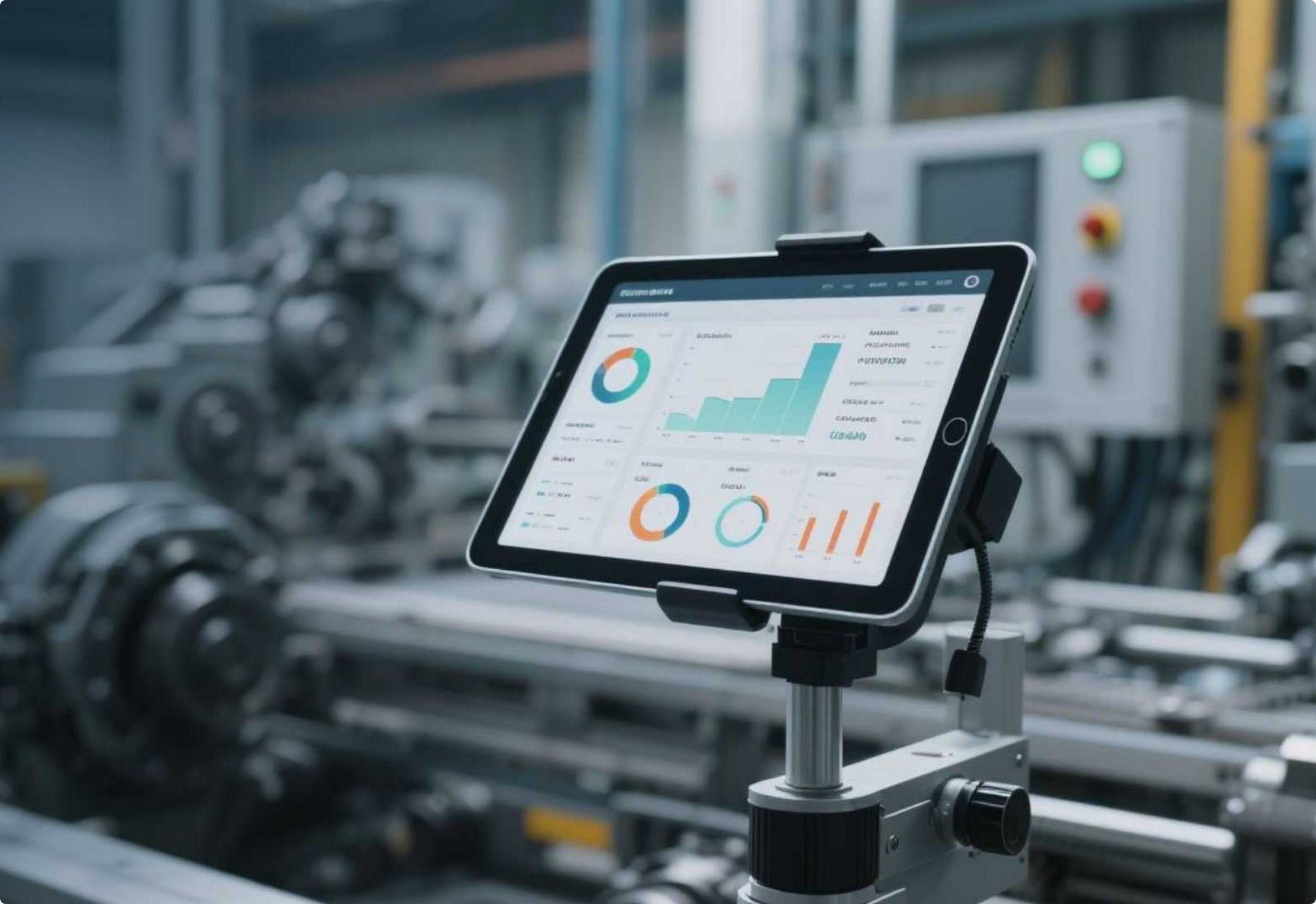
ALSI (Dalian) Co., Ltd. (referred to as "ALSI"), with over 30 years of experience in manufacturing factories, practical applications in more than 600 factories, and analysis of massive data exceeding 100 billion, has independently developed a set of equipment maintenance management systems that integrates warning, prediction, monitoring, and management—the ALSI Smart Maintenance System. Its functions are mainly reflected in the following aspects: 1. Automatic dispatch mechanism, making maintenance more time-saving and efficient: Based on the maintenance worker's workload, expertise, fault type, and distance to the faulty equipment, orders are automatically assigned to designated engineers via UWB wristbands, enabling efficient and flexible resource allocation for quick dispatch. 2. Service process traceability: Statistics are performed on various work order data, and the daily processing content of work orders is automatically synced to the backend for management. In case of issues, traceability and accountability can be established. 3. Precise analysis of data such as equipment fault information, maintenance personnel assessment, and spare parts expenditure management allows managers to review periodically, making service department work transparent and achieving lean production. 4. Prediction and correlation analysis of equipment faults, nipping potential sudden failures in the bud, allowing lean production to be effectively implemented in equipment maintenance. In summary, the ALSI Smart Maintenance System completely eliminates the bottleneck processes encountered by managers in equipment maintenance, virtually strengthening and reinforcing the equipment maintenance force, making equipment maintenance management more standardized, scientific, and humane, and supporting factories in achieving lean production.
Click to view: "14th Five-Year Plan" Manufacturing Industry Policy Adjustments: How SMEs Can Build Smart Factories