

 Products & Services




 400 676 5650
A "power rationing order" in 2021 once again turned the public's attention to China's manufacturing production. As a major manufacturing country, data shows that China's industrial output accounts for about 40% of its GDP. However, industrial energy consumption accounts for over 70% of the total social energy consumption, and the energy consumption per unit of product is far higher than the international advanced level. Low output with high energy consumption has become a major problem restricting the development of China's manufacturing industry, especially for small and medium-sized manufacturing enterprises. Under the dual-control policies of power rationing across regions, various high-energy-consuming and high-pollution industries have suspended production or shut down. Traditional manufacturing enterprises are once again facing a transformation crisis. The concept of Lean Production has reappeared in people's sight. What is the current state of lean production in China? How can lean production management methods be popularized among small and medium-sized manufacturing enterprises? And what difficulties are they facing?

Lean Production, also known as Lean Manufacturing, is a modern manufacturing approach aimed at reducing production costs, eliminating waste, and improving production efficiency. Its advantages include reduced human resources, shortened product development cycles, reduced inventory, and less factory floor space. Achieving lean production requires a comprehensive upgrade from tools to production methods and management forms. For large manufacturing enterprises, adopting Lean Production management means equipping themselves with lean production systems and highly skilled talents. However, for small and medium-sized manufacturing enterprises, this path is not so easy.
Why is it difficult for small and medium-sized manufacturing enterprises to transform? China's manufacturing enterprises started late and have a weak foundation. The vast majority are small and medium-sized, with outdated equipment, talent shortages, and lack of funds—poor "innate conditions" for transformation. In terms of production methods, old equipment in the enterprise is difficult to connect to the network. Additionally, there are too many equipment manufacturers and models, making unified management of equipment status impossible. Moreover, many production line Andon information still requires manual entry, causing resistance from workers. Without the conditions for an "Industrial Internet of Things" (IIoT), small and medium-sized manufacturing enterprises find it even more difficult to promote lean production management.
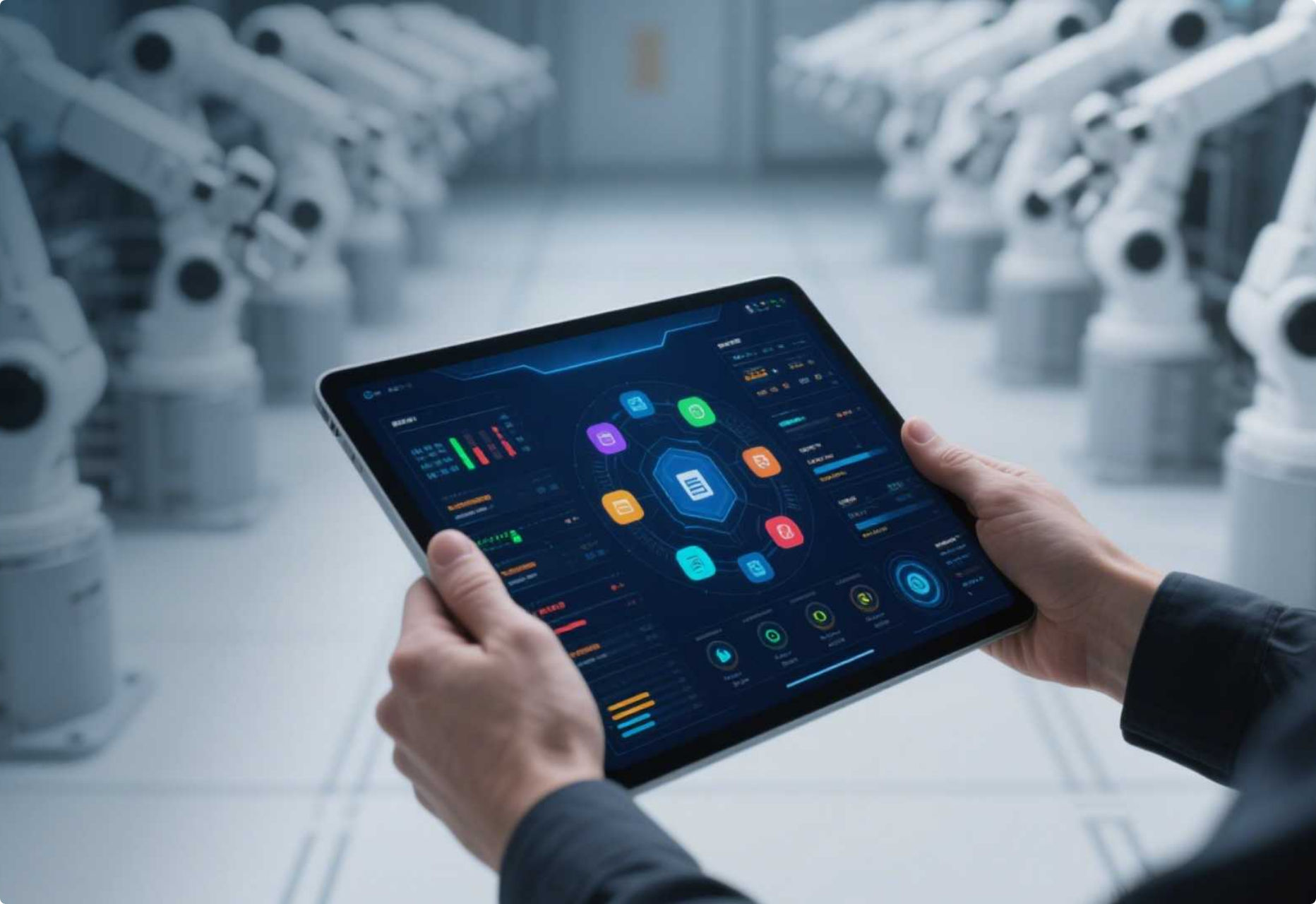
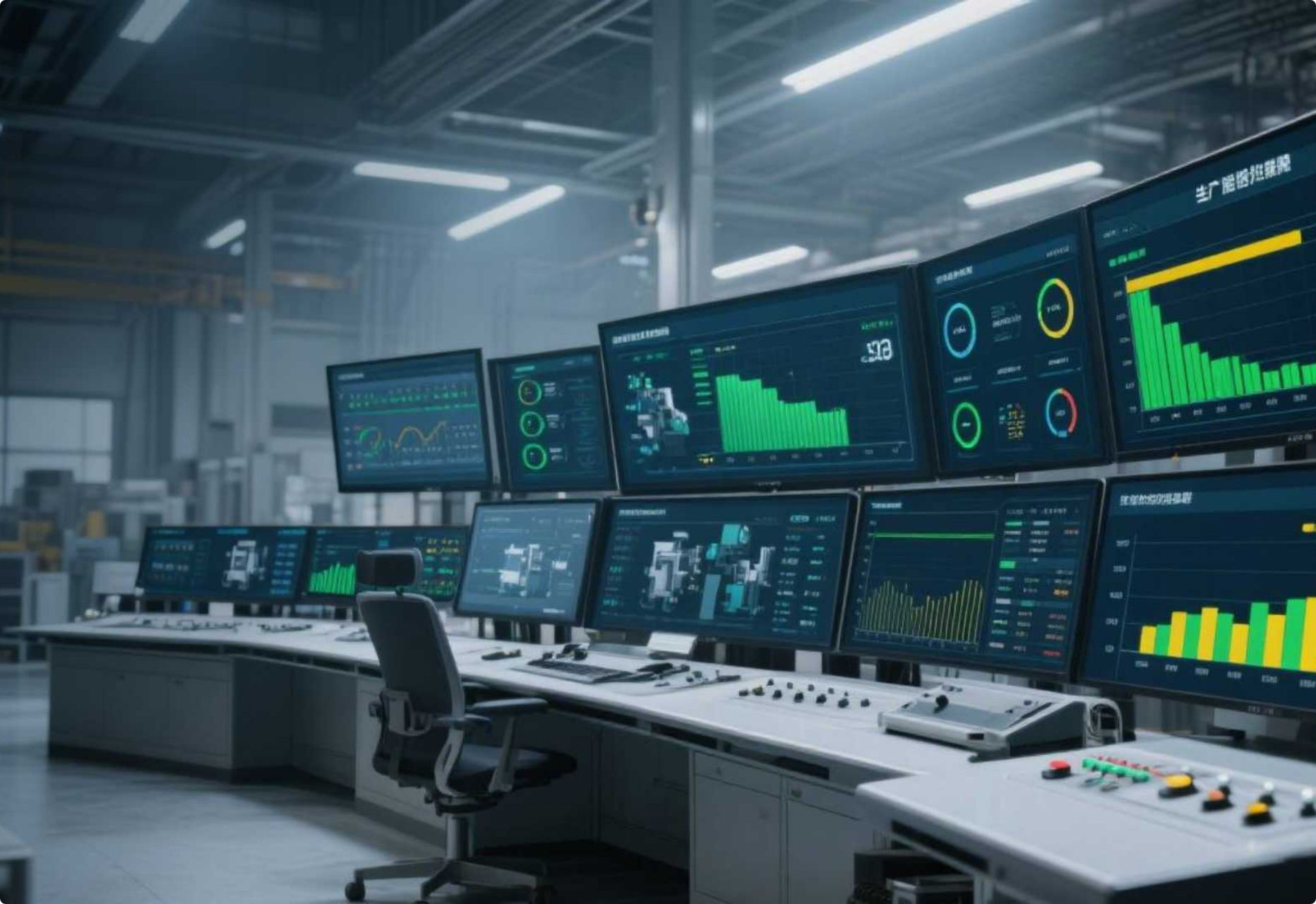
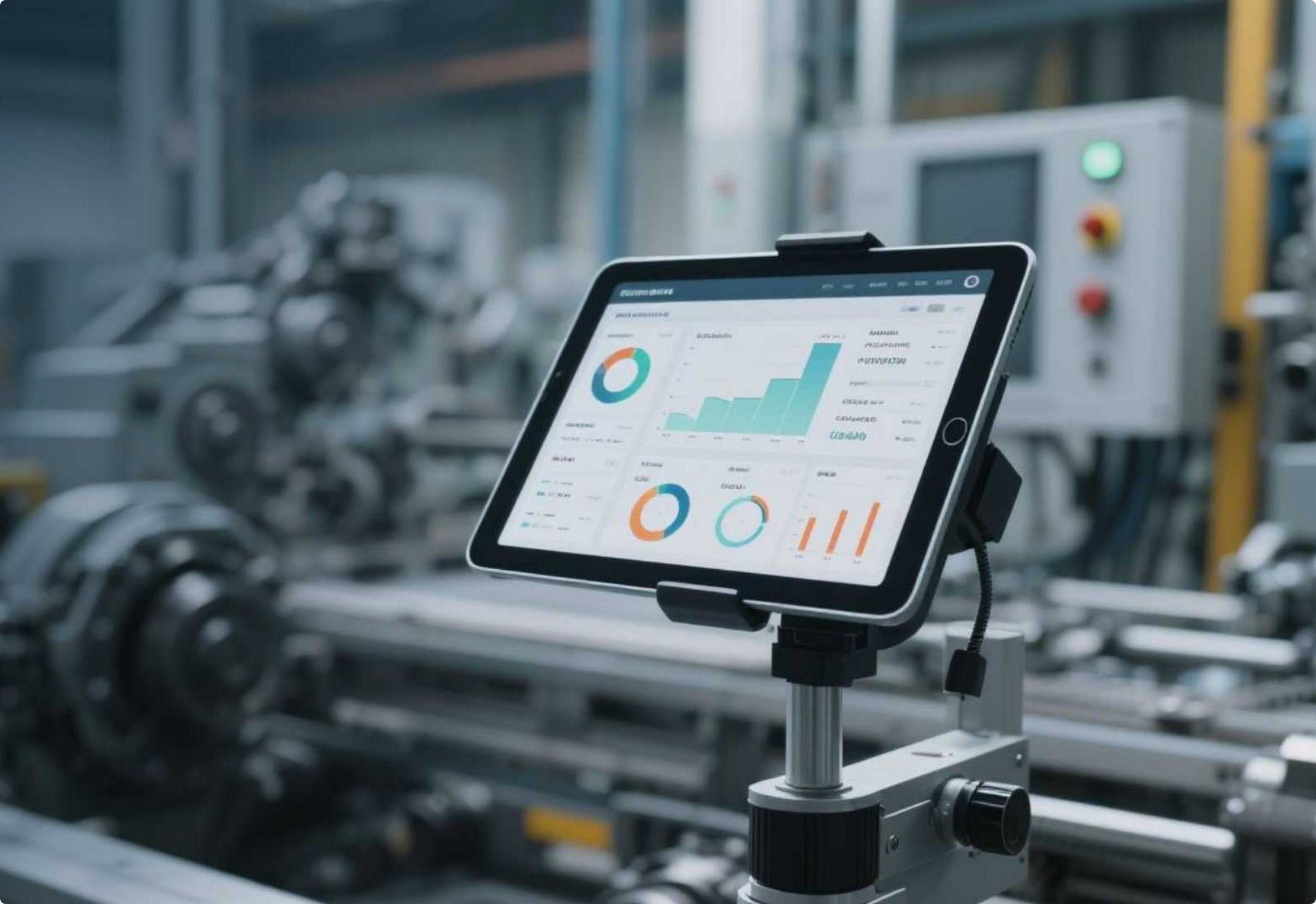
Solving the "Internet of Things" problem for small and medium-sized manufacturing enterprises would be a major step forward for Lean Production. Against this backdrop, the Equipment Status Monitoring System was developed. Its design concept is to collect equipment information by monitoring the status of the three-color lights commonly found on the manufacturing floor, thereby achieving equipment network connectivity.
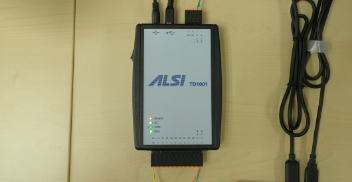
The Equipment Status Monitoring System was launched by Alps Integration (Dalian) Co., Ltd. The intelligent data collector TS-10, a proprietary technology, has obtained a national utility model patent. As a powerful "external accessory" for equipment networking, it requires no replacement of existing equipment or original three-color lights. It is plug-and-play, compatible with over 90% of various equipment types, and represents a pioneering technology in China. The feature of the Equipment Status Monitoring System is that no modification to the equipment end is needed, and installation can be completed without equipment downtime, achieving low-cost equipment networking through this method.
In addition, the intelligent data collector TS-10 adopts an innovative design that can recognize over 27 different combinations of three-color light states. Through machine autonomous learning and recognition, it completes algorithm iteration, significantly reducing the impact of three-color light lifespan and factory environment on light intensity. Combined with embedded development experience, it optimizes the algorithm thoughtfully, greatly improving recognition efficiency and operation speed.
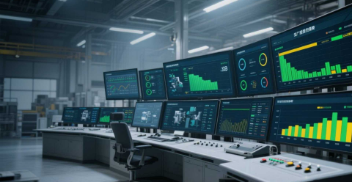
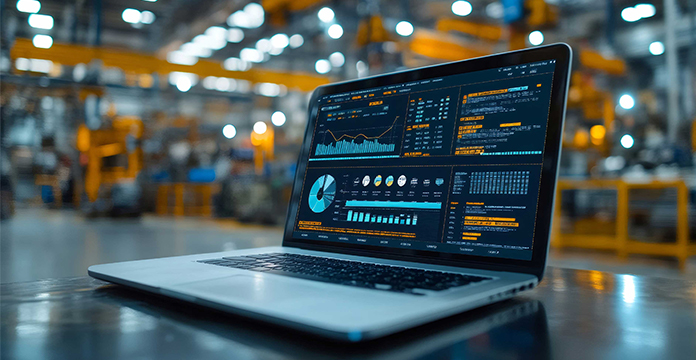
It is worth mentioning that the Equipment Status Monitoring System requires no manual data entry. It performs statistical analysis and report generation for process operations, equipment status, quality issues, etc. The storage and management provide decision-making basis for production management analysis and subsequent continuous improvement, promoting lean management in enterprises.
Currently, the Equipment Status Monitoring System, as an effective lean production system for equipment, has been introduced to the market. It has successfully helped some manufacturing enterprises improve production efficiency. Due to its low cost and minimal equipment modification, it has gradually become a booster for lean production in small and medium-sized manufacturing enterprises, effectively helping them achieve "cost reduction, efficiency increase, and income growth" through Lean Production management.