

 Products & Services





 400 676 5650
How can existing manufacturing enterprises undergo digital transformation and intelligent upgrade?
Recently, ALSI Dalian signed a strategic cooperation意向 with a Ningbo-based electronics company, aiming to help the enterprise complete its overall digital transformation within five years, enhance the digital productivity of equipment, and move toward a smart factory.
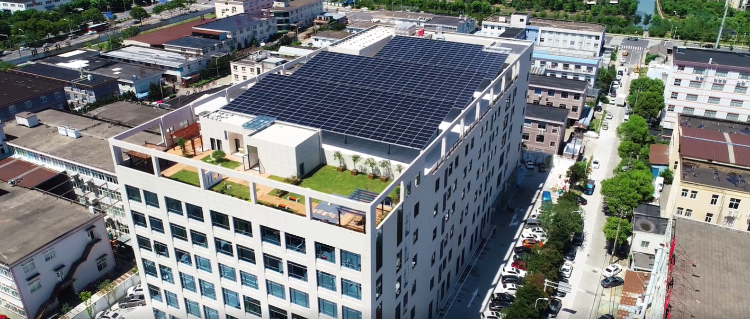
This collaboration is guided by the transformation principle of "overall planning, localized first moves, and demand-driven approach," starting from the enterprise's actual conditions and pain points—neither overreaching nor waiting, but focusing on tangible results.
As a comprehensive service provider for enterprise digital transformation, ALSI Dalian will leverage its technical strengths in this partnership, not only using digital tools to solve practical problems but also assisting the enterprise in building an IT system.
The signing of this mutual intention provides a replicable approach and methodology for the digital transformation of small and medium-sized manufacturing enterprises.
<span lang="EN-US" 微软雅黑",sans-serif;mso-bidi-font-family:微软雅黑'="" style="font-family: 微软雅黑; font-size: medium;">
<span lang="EN-US" 微软雅黑",sans-serif;mso-bidi-font-family:微软雅黑'="" style="font-family: 微软雅黑; font-size: medium;">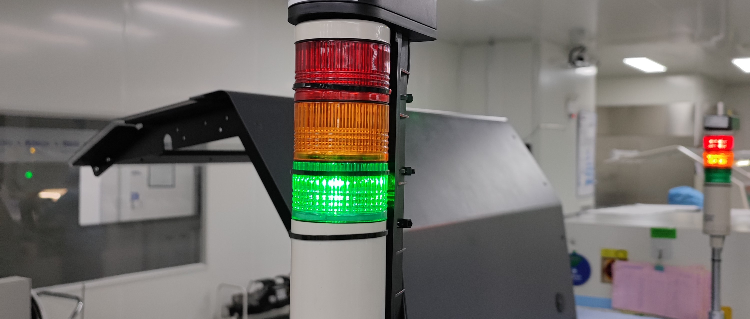
<span lang="EN-US" 微软雅黑",sans-serif;mso-bidi-font-family:微软雅黑'="" style="font-family: 微软雅黑; font-size: medium;">
Summarizing Experiences, Shifting Mindsets—Adopting Small, Fast Steps Instead of Leapfrogging Transformation
<span lang="EN-US" 微软雅黑",sans-serif;mso-bidi-font-family:微软雅黑'="" style="font-family: 微软雅黑; font-size: medium;">
It is reported that before signing the strategic cooperation intention, the two parties had already collaborated once in August 2021.
At that time, the company had invested millions in an MES system, but it failed to function properly due to a lack of real-time data support.
In that collaboration, ALSI conducted thorough on-site research at the factory. Without halting production, ALSI Dalian completed the installation and commissioning of the equipment status monitoring system in just one day, resolving the lingering issue that had troubled the company.
What exactly happened? Let's take a closer look.
As we know, MES is the most common management system on the production floor and often the first ideal tool that manufacturing enterprises think of for digital transformation.
However, due to the cumbersome process of manual data entry afterward and worker resistance, missing entries were common. <span 微软雅黑",sans-serif;mso-bidi-font-family:="" 微软雅黑'="">As a result, MES could not obtain real-time data, and both the accuracy and quantity of data were compromised.
<span 微软雅黑",sans-serif;mso-bidi-font-family:="" 微软雅黑'="">Consequently, the assembly workshop's 18 production lines could only provide 3–5 data entries to the MES system each day<span微软雅黑",sans-serif; mso-bidi-font-family:微软雅黑'="">,MES<span 微软雅黑",sans-serif;mso-bidi-font-family:="" 微软雅黑'=""> system could not accurately reflect the line utilization rate. </span微软雅黑",sans-serif;>
The expected major transformation from a large investment did not materialize as hoped;<span 微软雅黑",sans-serif;mso-bidi-font-family:="" 微软雅黑'=""> the digital transformation faltered.
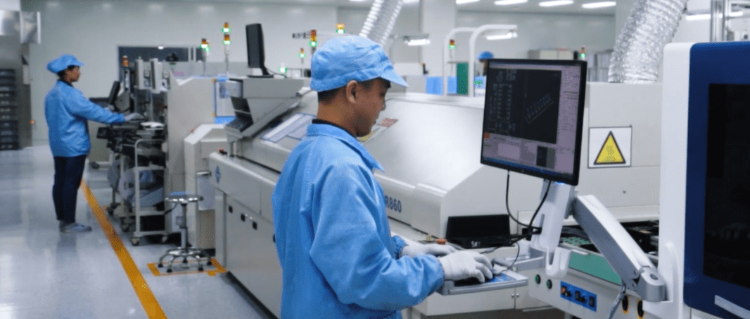
Through this setback, the company realized that digital transformation is not simply about implementing a system; it requires optimized allocation of related resources.
To make the MES system effective, the company sought out ALSI Dalian, leading to their first partnership.
This collaboration did not disappoint. The day after installing the ALSI equipment status monitoring system<span 微软雅黑",sans-serif;mso-bidi-font-family:="" 微软雅黑'="">, the MES system received 30 Andon data entries—10 times the manual entry amount.
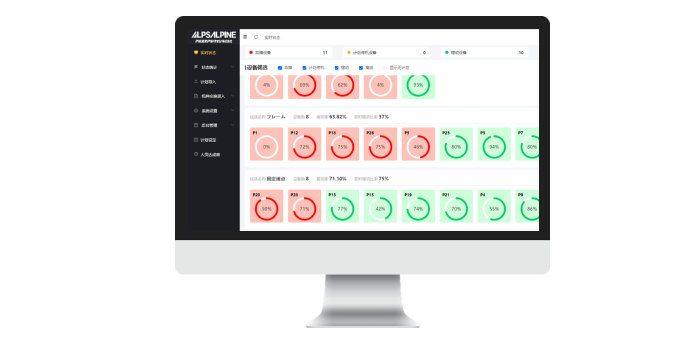
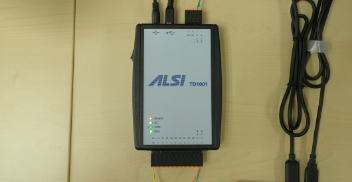
The ALSI equipment status monitoring system consists of a data acquisition device and a management system. The hardware + software design handles everything from data collection to statistical analysis and visualization.
The data acquisition device is independently developed by ALSI Dalian and holds its own intellectual property.
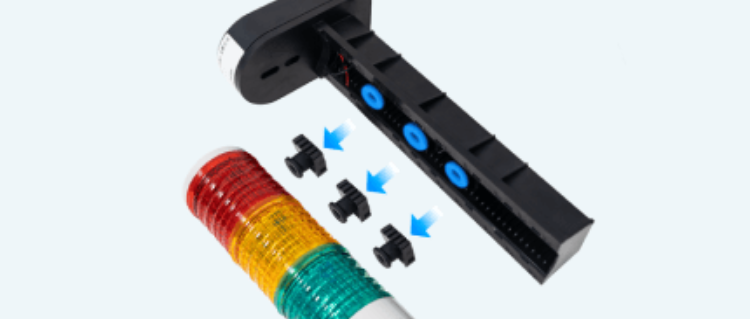
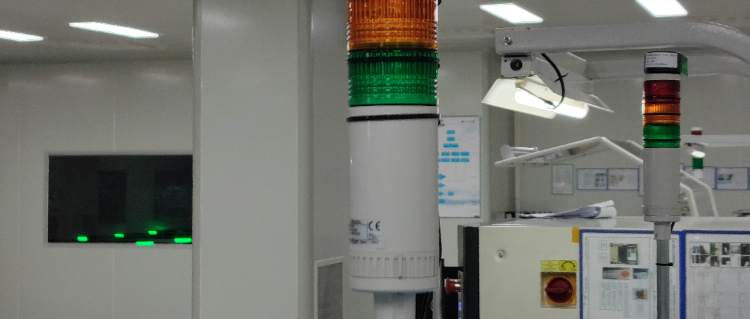
The data acquisition device is designed as an external add-on, requiring no special training to install on the three-color light tower, where it collects the light status data in real time. It has strong anti-interference capability, with data accuracy approaching 100%.
A full-function system like this costs only one-third of a PLC, making it very friendly for small and medium-sized enterprises.
More importantly, the entire installation process does not require dismantling the equipment; real-time data can be collected externally. Even legacy equipment without smart network cards or embedded PLCs can easily be connected to the network for management.
Now, after nearly half a year of operation, the assembly workshop's utilization rate is fully transparent, resulting in better overall management, reduced failure rates, and improved production efficiency and product quality.
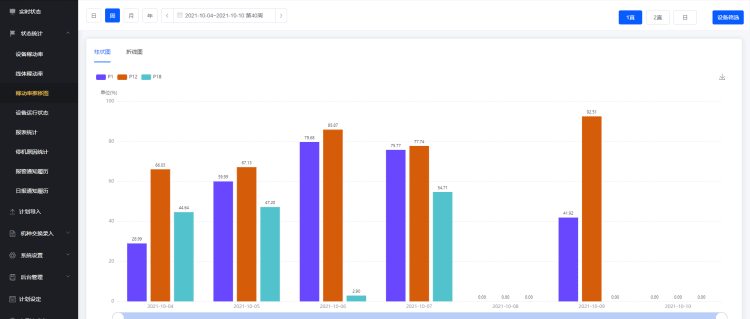
The successful activation of the MES system brought about a fundamental shift in the company's understanding of digital transformation.
They recognized that digital transformation is a process of reshaping competitive advantage. Without a simultaneous upgrade in management and operational models, the activation of the MES system would not have achieved such ideal results.
Moreover, whether it's digital transformation or intelligent upgrading, it is a long-term endeavor that cannot be accomplished overnight. Enterprises must start from their actual conditions, address pain points and difficulties, and achieve breakthroughs and accumulation step by step, using quantitative changes to drive qualitative transformation.
<span lang="EN-US" 微软雅黑",sans-serif;mso-bidi-font-family:微软雅黑'="" style="font-family: 微软雅黑; font-size: medium;">
Aiming for Digital and Intelligent Directions, Setting a Small Goal Each Year
<span lang="EN-US" 微软雅黑",sans-serif;mso-bidi-font-family:微软雅黑'="" style="font-family: 微软雅黑; font-size: medium;">
On January 13, 2021, with the successful delivery and handover of the ALSI equipment status monitoring system for 15 production lines in the electronics workshop, the first phase of the second-stage partnership between ALSI Dalian and this Ningbo electronics company came to a smooth conclusion.
In this phase, ALSI Dalian primarily addressed issues such as the opaqueness of electronics workshop utilization rates, insufficient granularity of fault reasons, and delayed alerts for equipment failures.
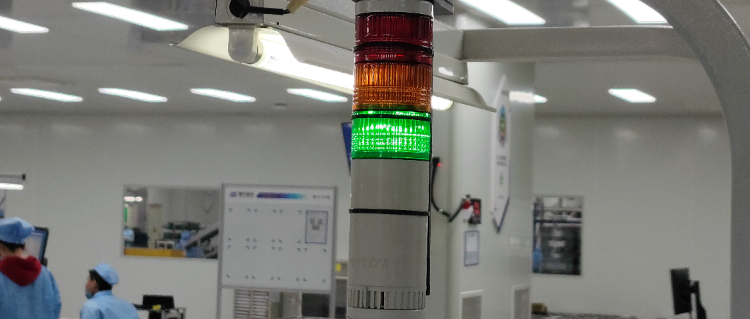
This was the first concrete implementation following the strategic cooperation intention, reflecting the principle of "overall planning, localized first moves, and demand-driven approach" for the digital transformation and intelligent upgrade of small and medium-sized enterprises.
Overall planning is the overarching direction—enterprises must firmly adhere to the fundamental principle of overall transformation and unwaveringly pursue the path of digital and intelligent transformation. This direction must not change;
Localized first moves and demand-driven approach are the enterprise's implementation principles—these require enterprises to start from actual conditions and pain points, building confidence through small victories and accumulating wins to complete the transformation.
In the specific transformation process, enterprises should begin with localized digital transformation. Once that succeeds, they can extend the experience and results to other parts of the operation, driving transformation elsewhere. Then, through shared data and integrated links, they can achieve the overall digital and intelligent transformation of the enterprise.
Which specific area should go first? That should be determined by the enterprise's level of need, prioritizing areas with clear demands and pain points.

Under this strategic partnership, ALSI Dalian will deploy a professional team to the enterprise's front line to conduct research, refine annual and phased plans, provide technical and product support, and assist in implementation.
The enterprise will also leverage its top-level design and timely feedback to jointly drive the digital transformation forward. Throughout the process, ALSI Dalian will help the enterprise build its IT system and gradually hand it over.
<span lang="EN-US" 微软雅黑",sans-serif;mso-bidi-font-family:微软雅黑'="" style="color: rgb(28, 72, 127); font-weight: bold;">In 2022, ALSI Dalian will primarily address equipment management issues, improving overall equipment effectiveness to achieve the year's goals of quality enhancement, cost reduction, and efficiency improvement.
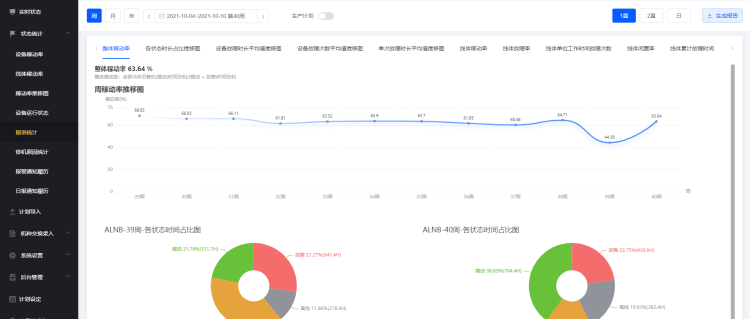
In addition to the first-phase goals mentioned above, there will be two more phases of delivery in 2022.
In the second phase, ALSI Dalian will develop a quality management program for the enterprise, enabling paperless entry of quality data and visual display of quality reports, and will connect the quality management program to the MES system.
In the third phase, building on the first phase, ALSI Dalian will refine the fault and anomaly alerts in the assembly workshop, changing from line-level fault statistics to individual equipment fault and alert statistics, making fault localization more precise.
<span lang="EN-US" 微软雅黑",sans-serif;mso-bidi-font-family:微软雅黑'="" style="font-family: 微软雅黑; font-size: medium;">
Conclusion
Digital transformation and intelligent upgrading are the inevitable paths for existing manufacturing enterprises.
Facing digitalization and intelligence, some enterprises oversimplify the matter, treating them as "miracle cures" that can solve all their survival and development issues in one go;
Others, however, overcomplicate the transformation, developing a sense of fear and hesitating to try or take action.
In reality, the essence of digital transformation is a process in which enterprises reshape their competitive advantage in the digital age; they need to return to objectivity.
Neither oversimplification nor overcomplication is advisable. What matters is knowing oneself, clarifying needs, and finding the right transformation tools based on the core goal of quality improvement, cost reduction, and efficiency enhancement.
The transformation journey of this Ningbo electronics company serves as a warning to those who oversimplify and also builds confidence for those who overcomplicate.
During this process, ALSI Dalian will also leverage its professional advantages by continuously introducing products that empower the intelligent upgrade of manufacturing enterprises, providing end-to-end or modular services for their digital transformation, and helping them improve quality, reduce costs, and enhance efficiency.