

 Products & Services



 400 676 5650
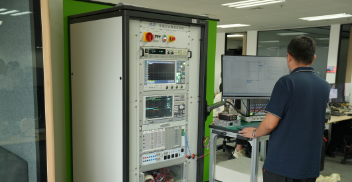
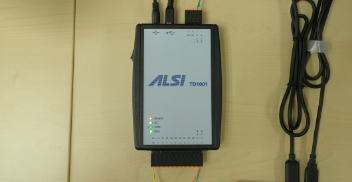
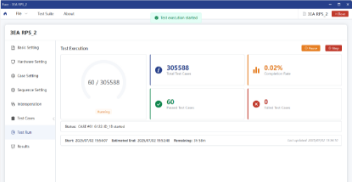
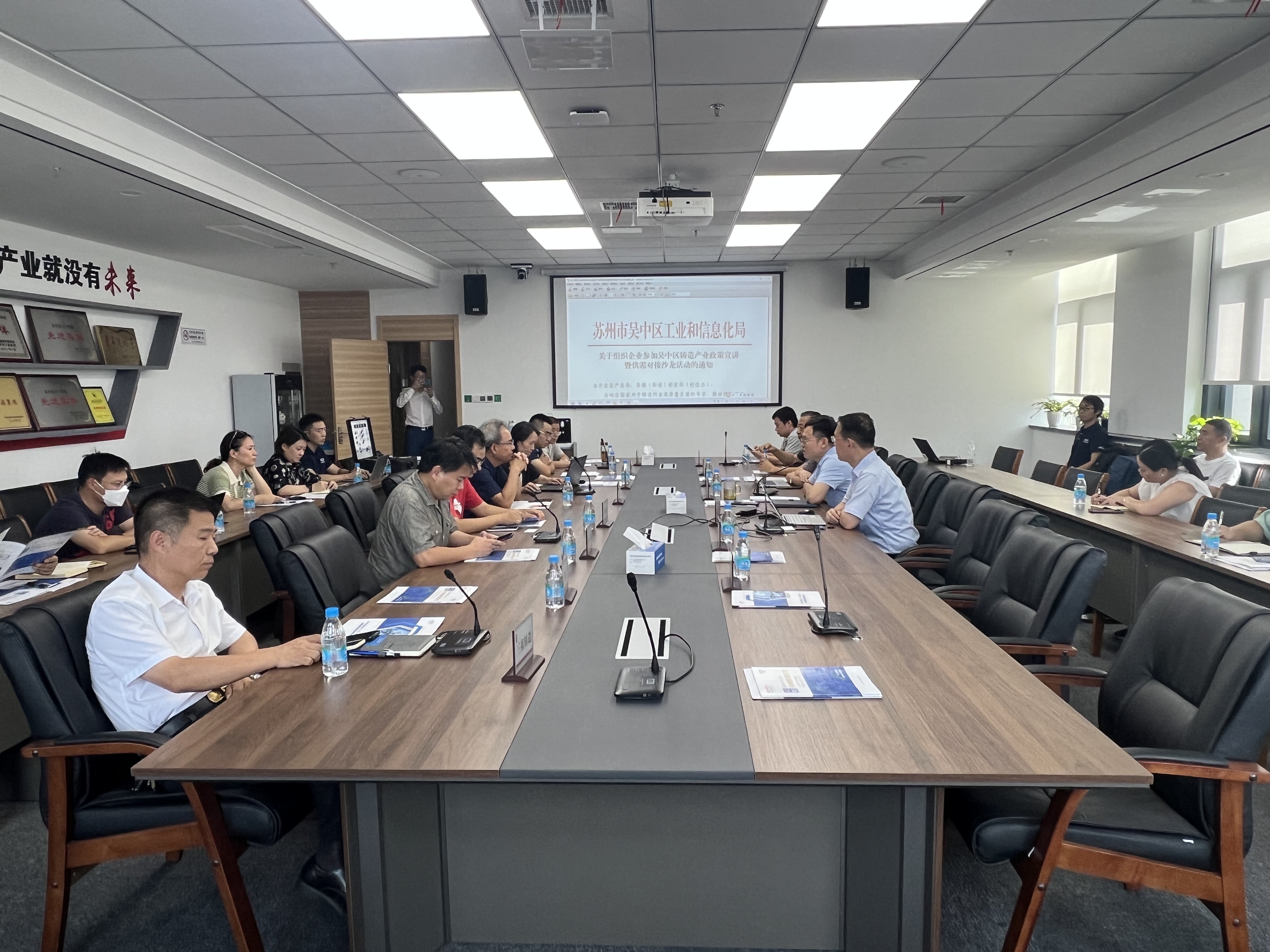
On August 4, the "Wuzhong District Foundry Industry Policy Briefing and Enterprise Supply-Demand Matchmaking Salon," hosted by the Wuzhong District Bureau of Industry and Information Technology of Suzhou City, was successfully held at the Wuzhong District Bureau of Industry and Information Technology. ALSI was invited to attend and shared in-depth insights on the upgrade and transformation of smart factories for small and medium-sized foundry enterprises, digital transformation and lean solutions, and implementation paths. Physical demonstrations of multiple independently developed intelligent collection terminals were presented on-site, fully showcasing its professionalism, practicality, and forward-looking approach in the field of intelligent manufacturing.
Focusing on Policy: "Green, Intelligent Transformation" Become Key Words for the Foundry Industry
When discussing the development of any niche area in manufacturing, one cannot avoid a key word: policy. At the beginning of the meeting, Section Chief Gao from the Robot and Intelligent Manufacturing Industry Department of the Wuzhong District Bureau of Industry and Information Technology, and Secretary-General Yi from the Suzhou Foundry Association, provided a comprehensive briefing and in-depth interpretation of the meeting's theme and national policies.
In April 2023, the Ministry of Industry and Information Technology, the National Development and Reform Commission, and the Ministry of Ecology and Environment jointly issued the "Guiding Opinions on Promoting the High-Quality Development of the Foundry and Forging Industry" (hereinafter referred to as the "Opinions"). As a guiding document for promoting the high-quality development of China's foundry industry during the "14th Five-Year Plan" period and beyond, the "Opinions" take the theme of promoting high-quality development of the foundry industry and provide clear practical paths at multiple levels, including:
1. Green and Energy-Saving is an Important Direction: Against the backdrop of the "dual carbon" goals, green and energy-saving have always been the main theme that the foundry and forging industry cannot avoid. The "Opinions" pay more attention to energy-saving diagnosis and potential, emphasizing the need to "accelerate the green and low-carbon transformation, deeply explore energy-saving potential, and do a good job in energy-saving monitoring and energy-saving diagnosis services." This means that exploring management models based on precise collection of energy consumption data and continuous optimization and analysis of energy-saving space will become one of the directions for enterprises' intelligent transformation and digital transformation.
2. Transformation towards Intelligent and Digital Transformation: The national-level call for intelligent manufacturing can be traced back to the "Made in China 2025" plan issued by the State Council in 2015. Eight years later, how to implement and carry out intelligent transformation in manufacturing enterprises remains a tough nut to crack. In response, the "Opinions" outline a clear roadmap, specifying "accelerating the deep integration of new-generation information technology with the entire process and all elements of foundry and forging production, guiding key enterprises to carry out services such as remote monitoring, fault diagnosis, and predictive maintenance, and promoting management optimization and intelligent production processes."
Focusing on Intelligent Transformation: Jinzhi Lean Factory Cloud Platform Helps Enterprises Break Through
From the perspective of small and medium-sized manufacturing enterprises, "fear of wasting money" is the difficulty in implementing smart factory reforms. After all, spending hundreds of thousands or even millions of yuan on a system that ends up becoming a zombie system after years of implementation is not uncommon. At the meeting, Li Jinming, the Head of Intelligent Manufacturing Technology at ALPS System Integration (Dalian) Co., Ltd. (hereinafter referred to as "ALSI"), combined the years of practice in seven factories of the Alps Alpine Group and the Jinzhi Lean Factory Cloud Platform solution to share ALSI's answer to "intelligent transformation and digital transformation."
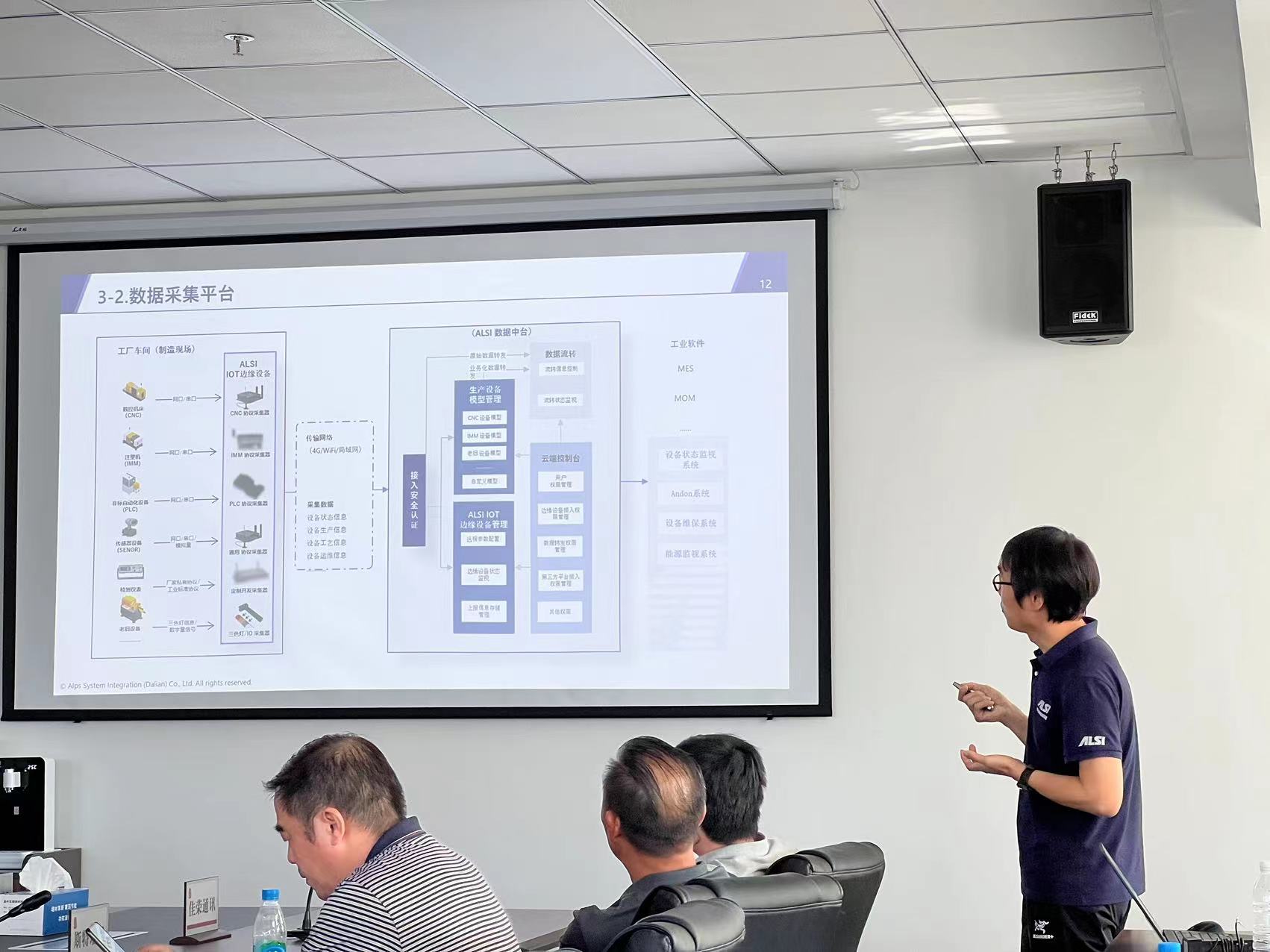
1. Comprehensive and Precise Collection of Equipment Data, Adding "Data" to Management
It is almost an industry consensus that factory equipment is difficult to manage. A factory has a wide variety of equipment, large volume, coexistence of old, middle, and new generations, and mute equipment without protocols or interfaces is common, making data collection extremely difficult.
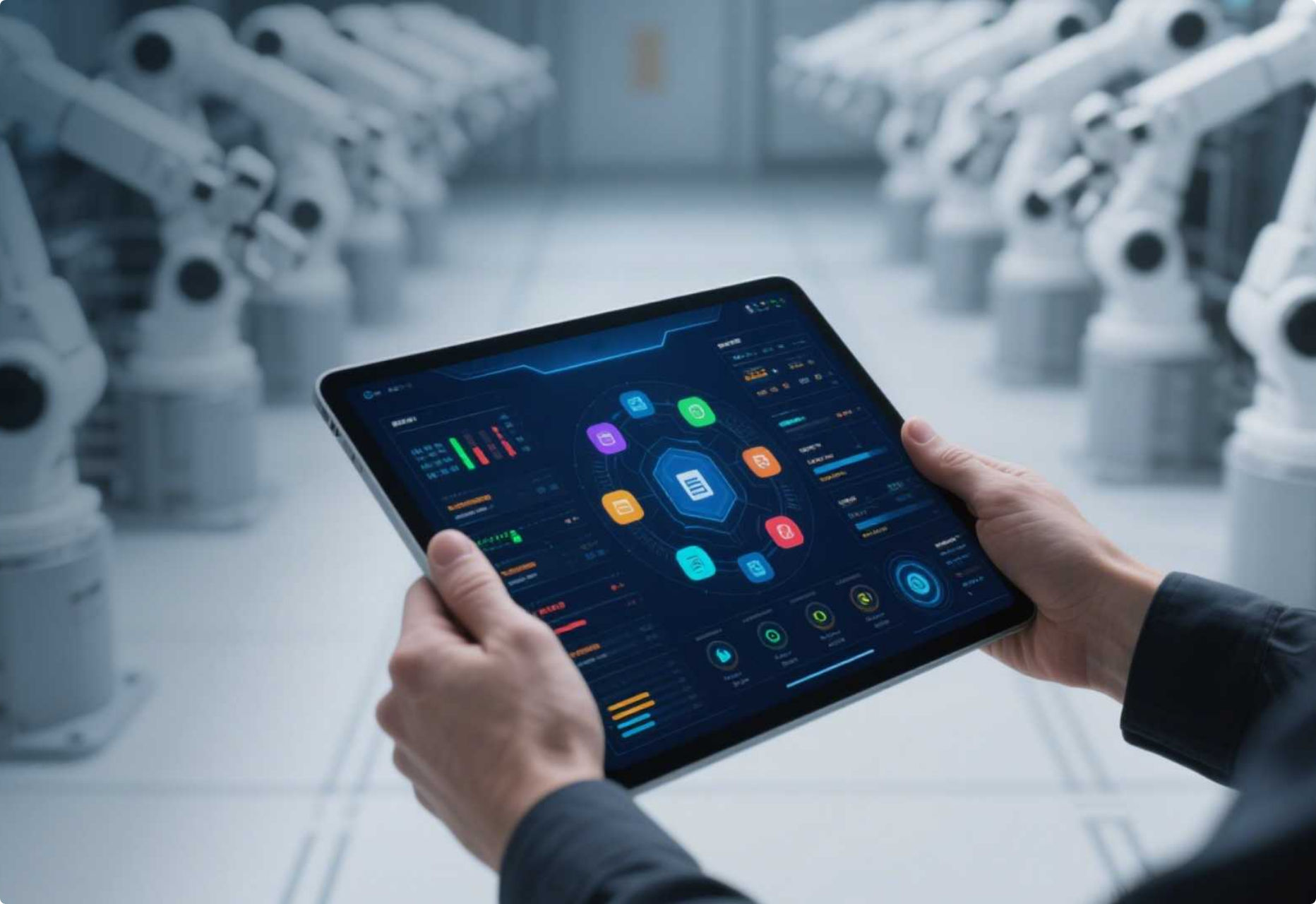
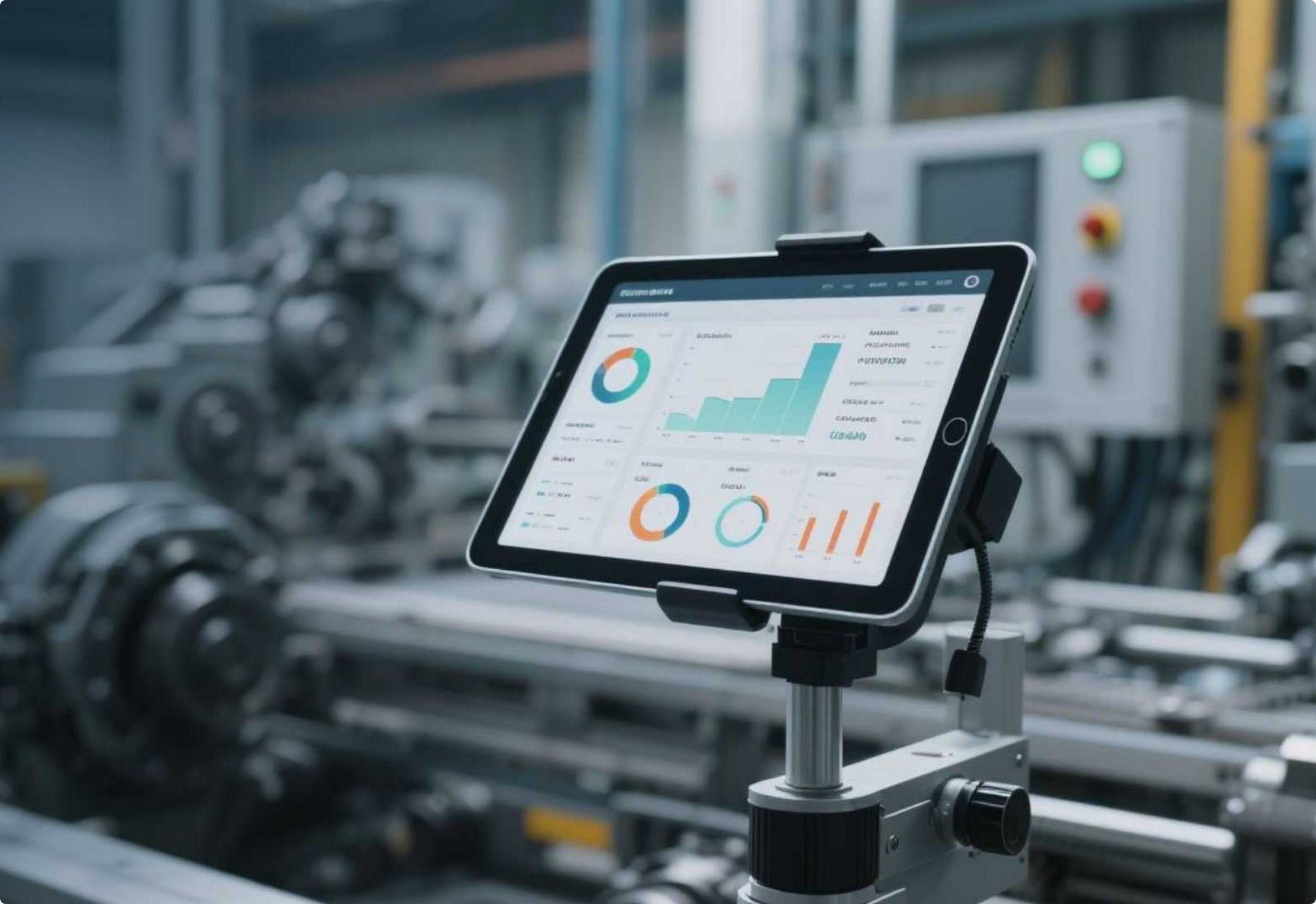
The Jinzhi Lean Factory Cloud Platform has developed a series of edge collectors that do not require specific equipment selection, do not require shutdown, and can easily connect even old equipment to the network. This truly achieves comprehensive and precise collection of "man/machine/material/method/environment/measurement" data at the manufacturing site. It empowers the digitalization and leanization of factory equipment management by focusing on timely intervention for equipment anomalies, remote status monitoring, preventive maintenance of equipment, and energy saving and consumption reduction.
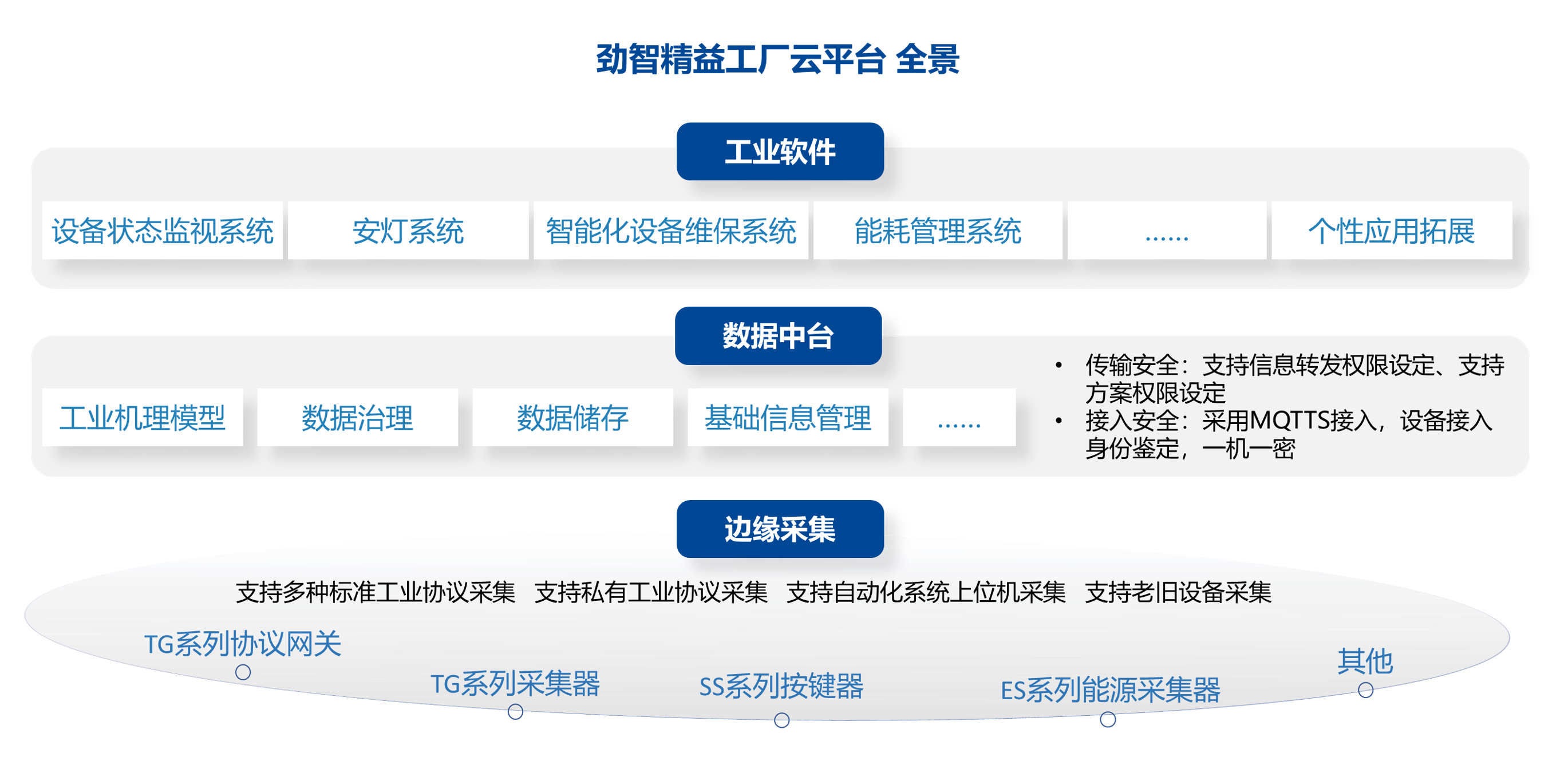
2. Intelligent Energy Management, Deeply Exploiting Potential Energy-Saving Space
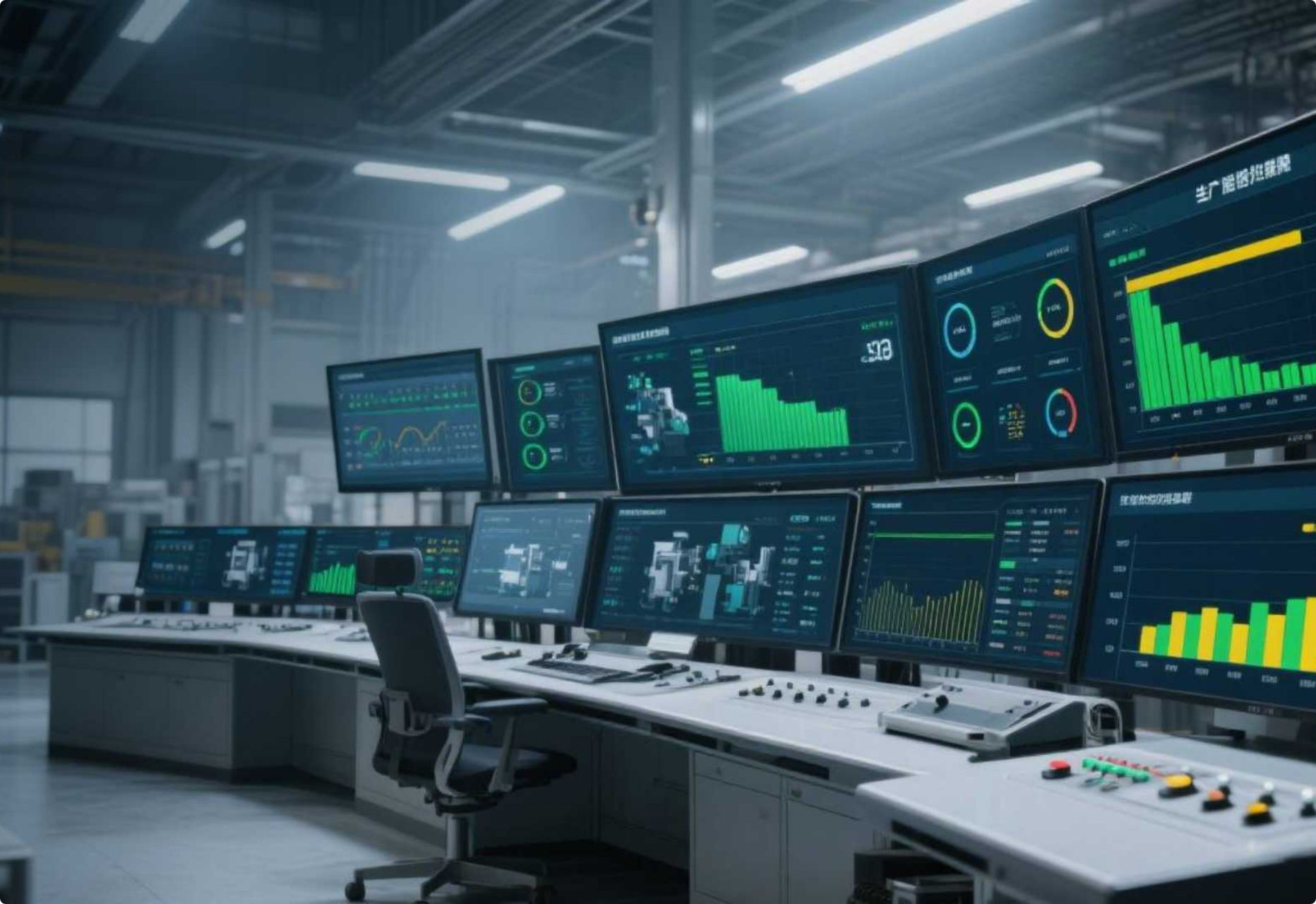
When it comes to the "Energy Consumption Management System," the Jinzhi Lean Factory Cloud Platform realizes visualization and informatization of energy consumption by collecting, storing, analyzing, displaying, and alarming multi-dimensional data such as current, voltage, and harmonics from terminals like substations, distribution panels, and equipment in the factory.
On one hand, based on data, it quickly identifies "key energy consumption points," helping enterprises discover potential energy-saving space and improvements, reducing the pressure brought by dual control of energy consumption, peak staggering and power limitation, and production suspension due to shutdowns. On the other hand, the effect of energy-saving improvements can be continuously tracked and monitored in the system, gradually improving the refined level of energy consumption management and increasing energy utilization efficiency.
With thirty years of deep involvement in manufacturing, ALSI's foundation is deeply rooted in the DNA of Japanese lean management concepts. As a wholly-owned subsidiary of the Alps Alpine Group, its independently developed Jinzhi Lean Factory Cloud Platform, characterized by "small, fast, light, and precise," originates from the practical accumulation of lean management across the entire process in the group's seven factories. The demands are real and can be effectively implemented, truly bringing "visible and tangible" economic benefits to the "intelligent transformation and digital transformation" practices of small and medium-sized manufacturing enterprises.