

 Products & Services




 400 676 5650
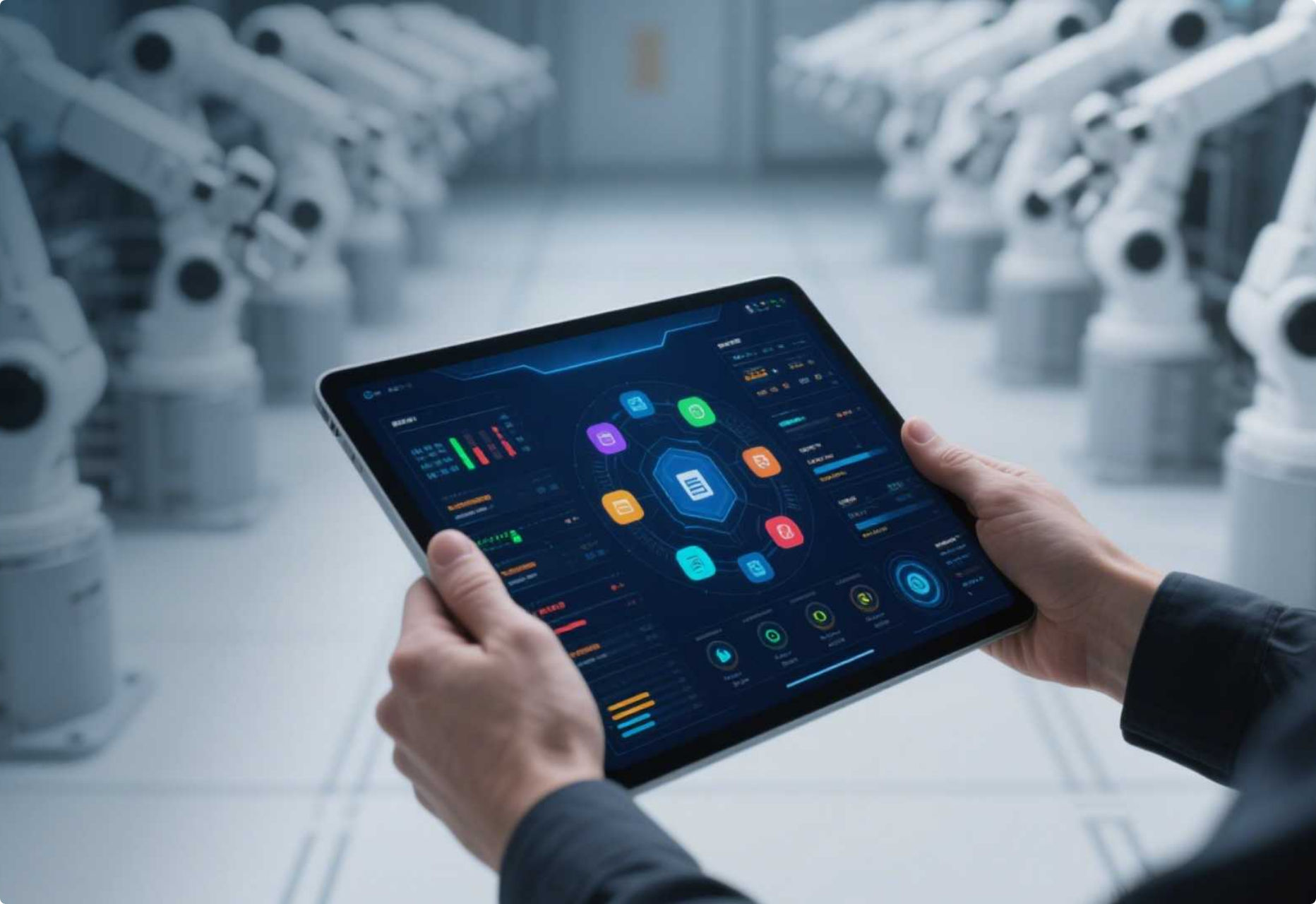
With the continuous development and advancement of technology, smart factories have become a hot topic in the manufacturing industry. As a modern manufacturing model based on digital technology and the Internet of Things, smart factories leverage advanced information technology to improve production efficiency, reduce costs, and provide manufacturing enterprises with more flexible and efficient production methods. In the future, the development and application prospects of smart factories are very broad.
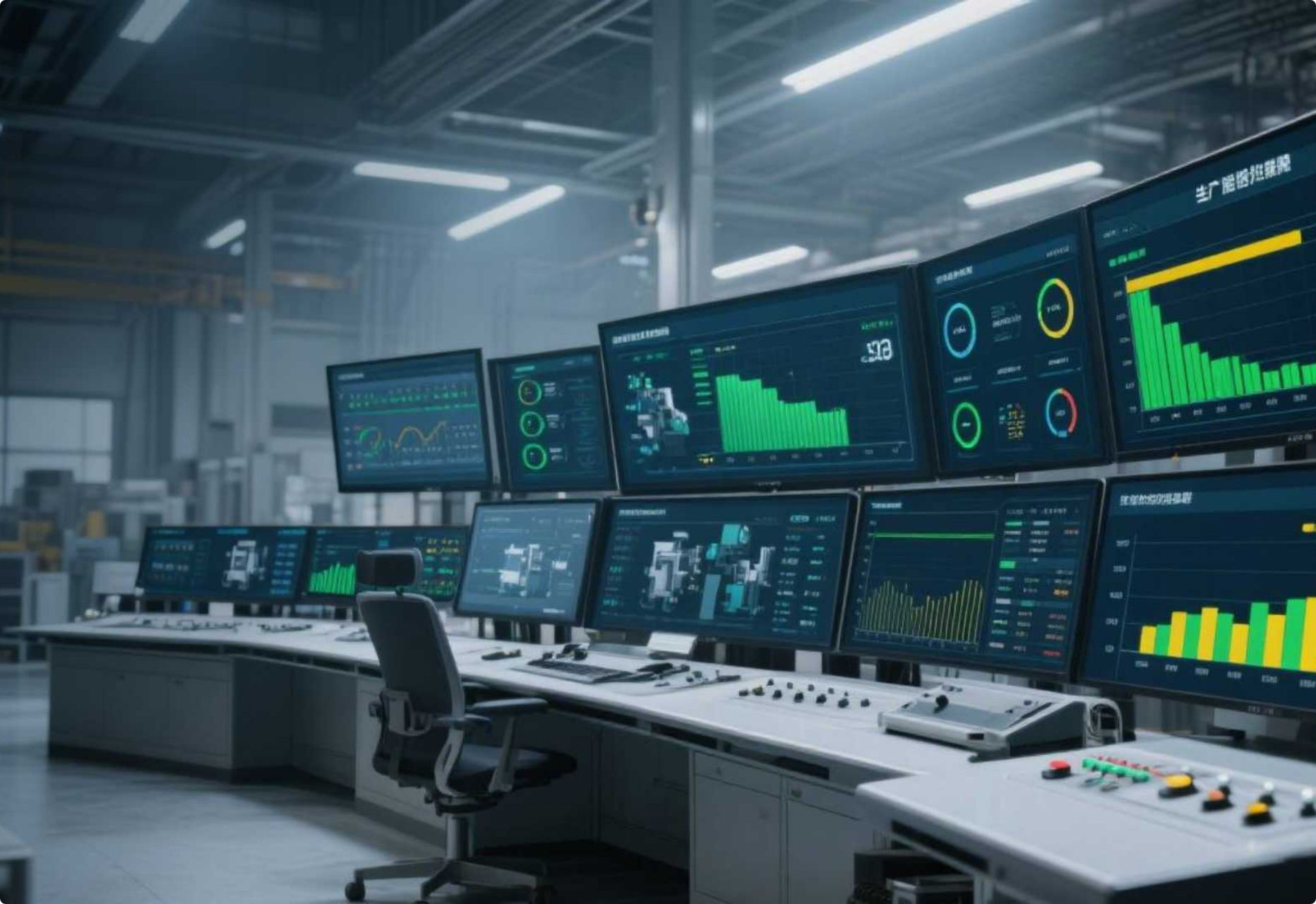
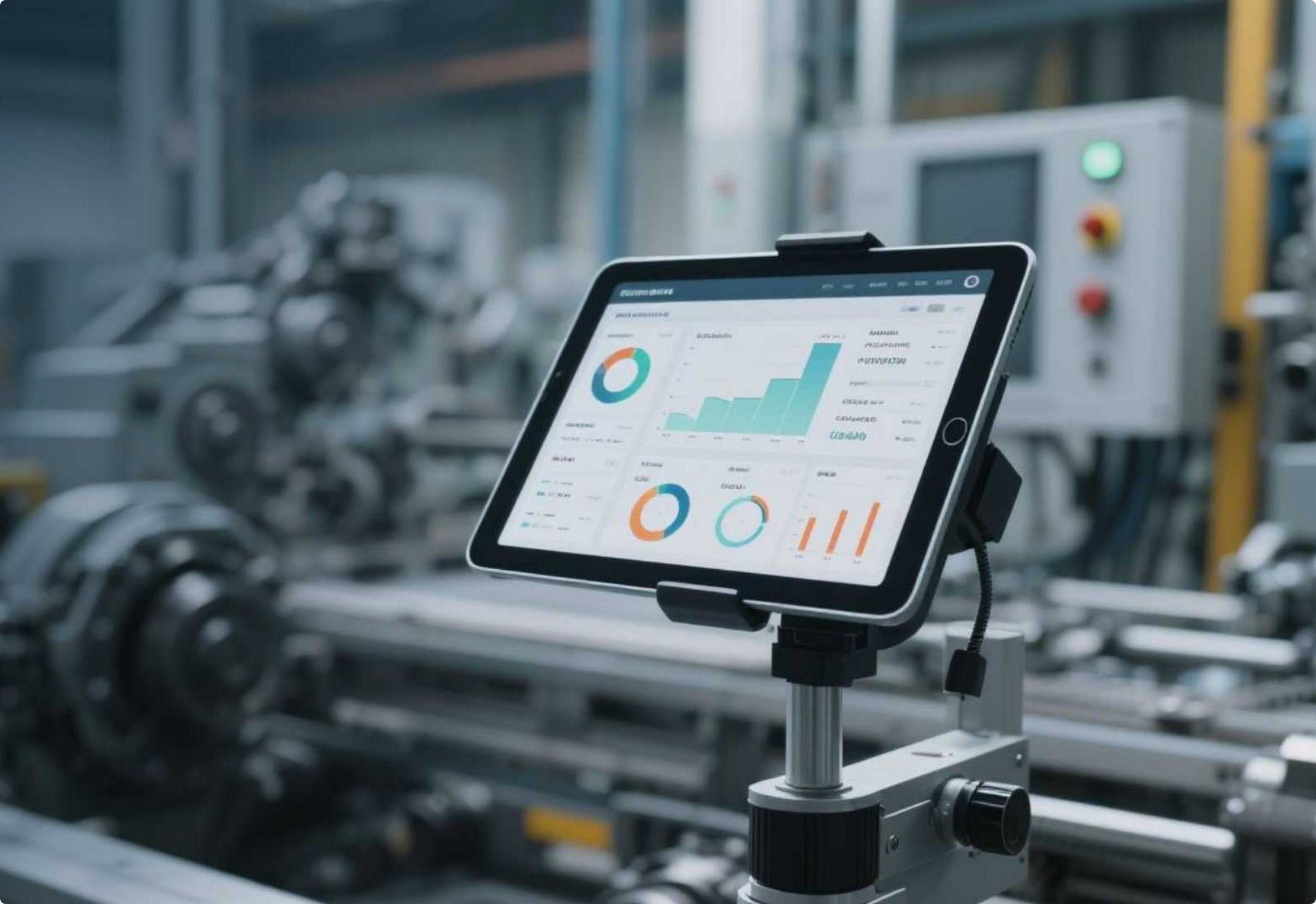
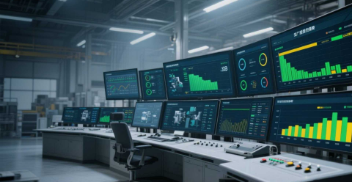
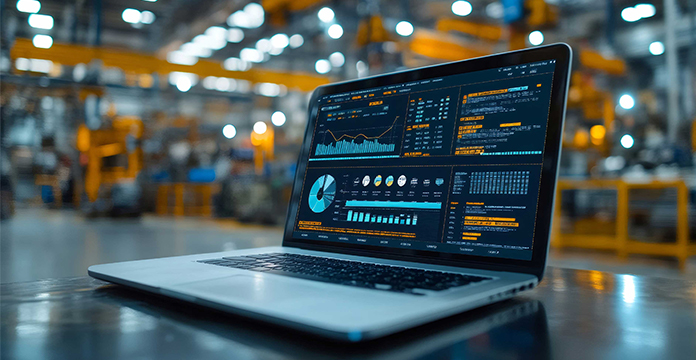
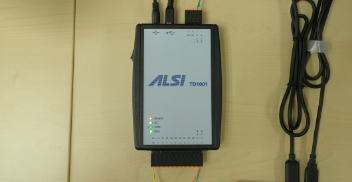
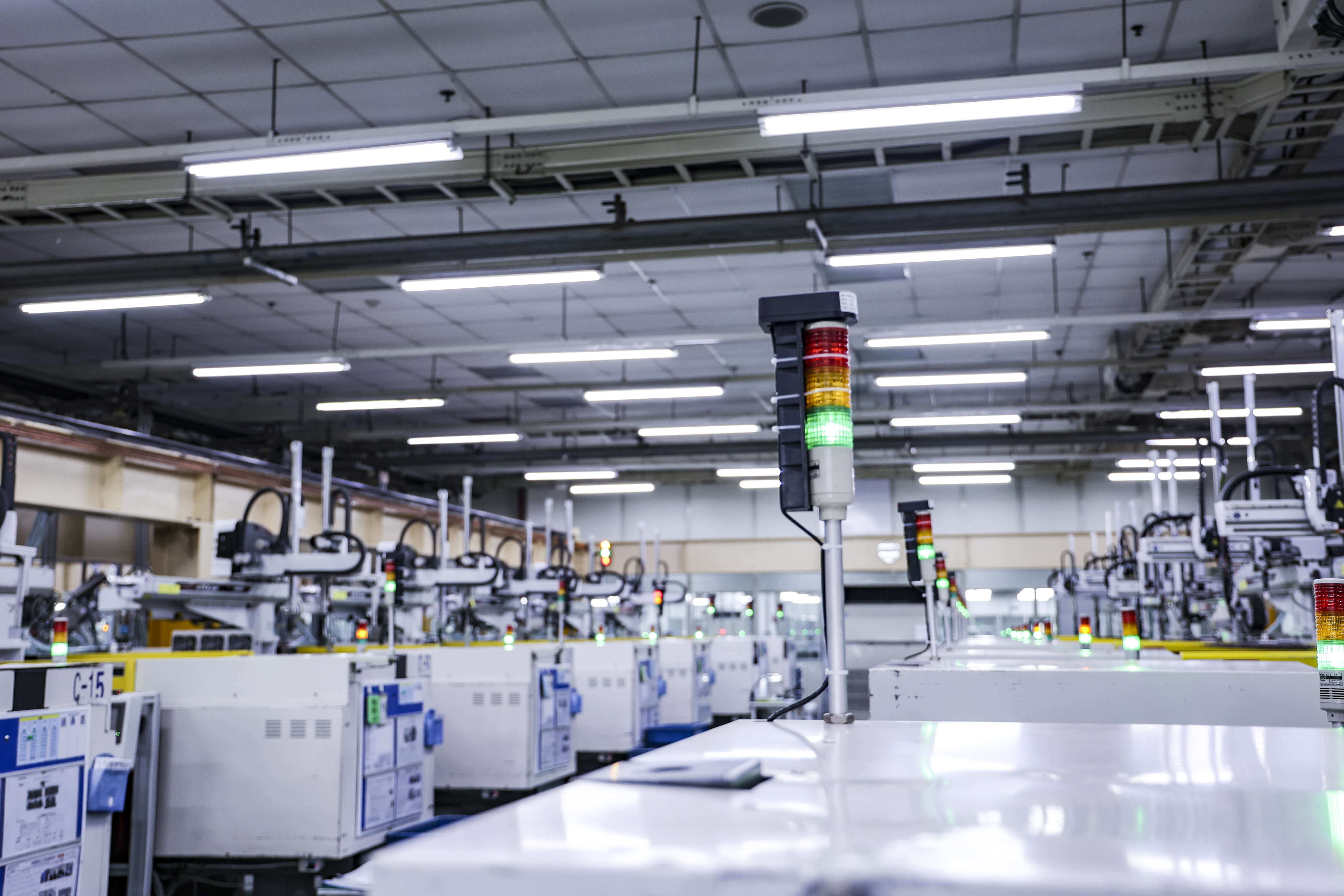 First, with the continuous development of technologies such as artificial intelligence and machine learning, smart factories will become increasingly intelligent and autonomous. The realization of smart factories requires real-time data collection and processing. Alps System Integration (Dalian) Co., Ltd. (abbreviated as "ALSI") provides a device status monitoring system that can monitor the operating status of equipment in real time, including running, fault, standby, idle, etc., and collect corresponding data. This allows production managers to stay informed of equipment operation status and OEE (Overall Equipment Effectiveness) at any time, thereby achieving lean production management.
Second, smart factories will become the main form of future production. Smart factories make production processes more flexible, allowing enterprises to quickly adjust production lines and production scales according to market demand. For example, European-centered automakers have begun to adopt smart factory production methods. They can produce customized cars based on customer needs and optimize the production process through real-time data analysis and feedback, meeting ever-changing market demands while keeping production costs under control.
Third, smart factories can also improve the environmental impact of production processes. By using renewable energy, optimizing energy utilization, and reducing waste generation, smart factories can play an important role in environmental protection. This will have a positive effect on both corporate sustainability and social sustainability.
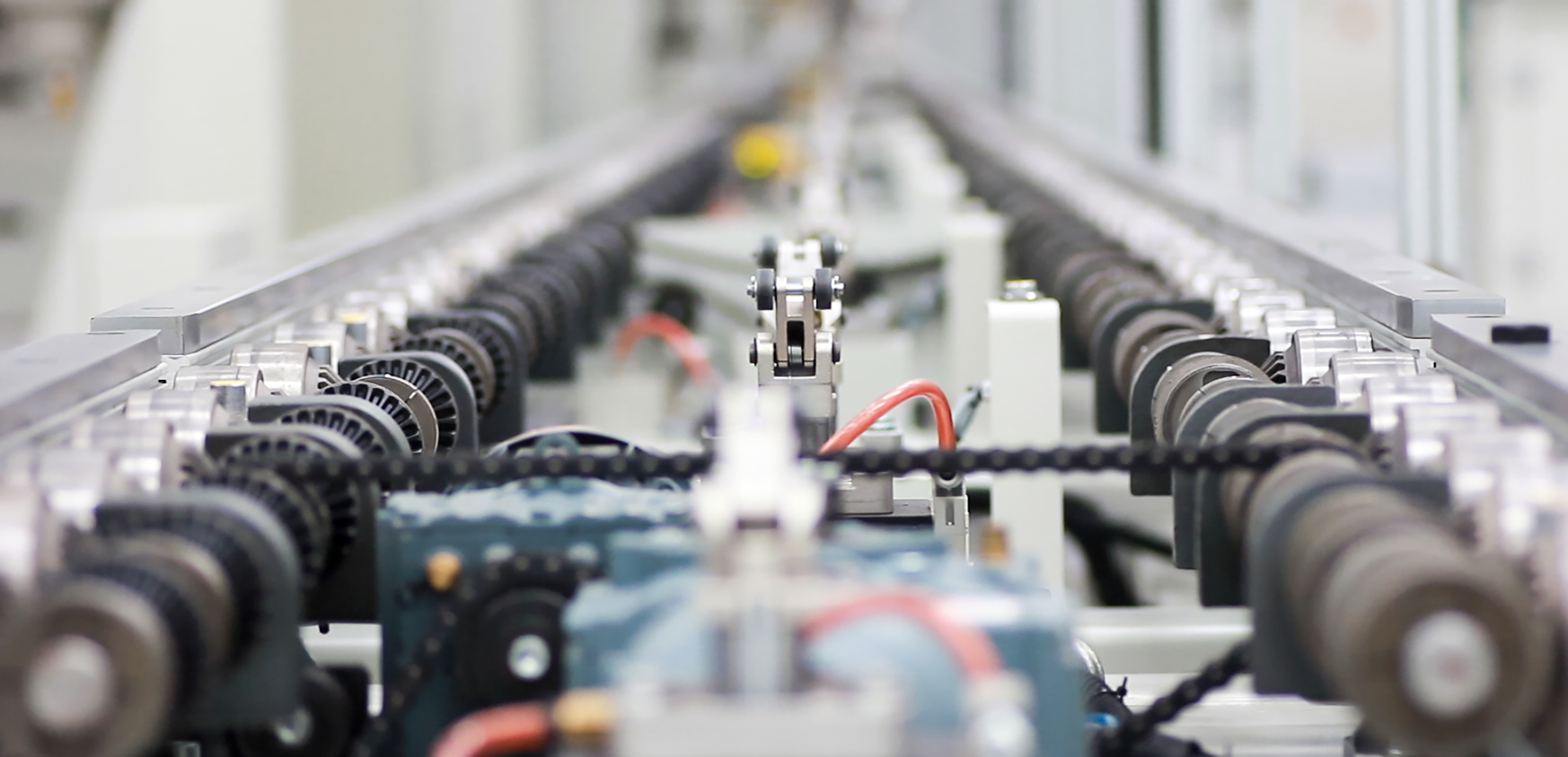
Finally, smart factories can also create more job opportunities. Although smart factories reduce manual intervention in production processes, they still require technical workers, maintenance personnel, and management staff to maintain and operate the equipment. This will provide more employment opportunities for many people and promote skills development and human resource optimization.
With the manufacturing DNA of Japanese companies, ALSI develops its own digital systems, continuously supporting the implementation of lean management on the manufacturing floor and escorting manufacturing enterprises in their transition to smart factories. It can be foreseen that in the future, smart factories will become the mainstream trend in manufacturing, driving high-quality development of the industry. The application of smart factories will bring enormous economic and social benefits, playing a significant role in improving industrial production efficiency, promoting economic development, and advancing social progress.