

 Products & Services



 400 676 5650
In building a Smart Factory, finding the solution that best fits your own factory is most important. The smart factory transformation and upgrading solutions provided by Alpine System Integration (Dalian) Co., Ltd. (abbreviated as "ALSI") are highly recognized by domestic and international customers. The reason is that ALSI has always been deeply rooted in manufacturing sites and combined with the actual development of local enterprises to create transformation and upgrading solutions that best adapt to enterprise development while enabling rapid implementation. This allows lean concepts to truly take root in the factory, helping enterprises quickly transform into digital factories. Now, follow ALSI to learn about the specific advantages that smart factories bring to enterprises.
What is a Smart Factory Visualization System
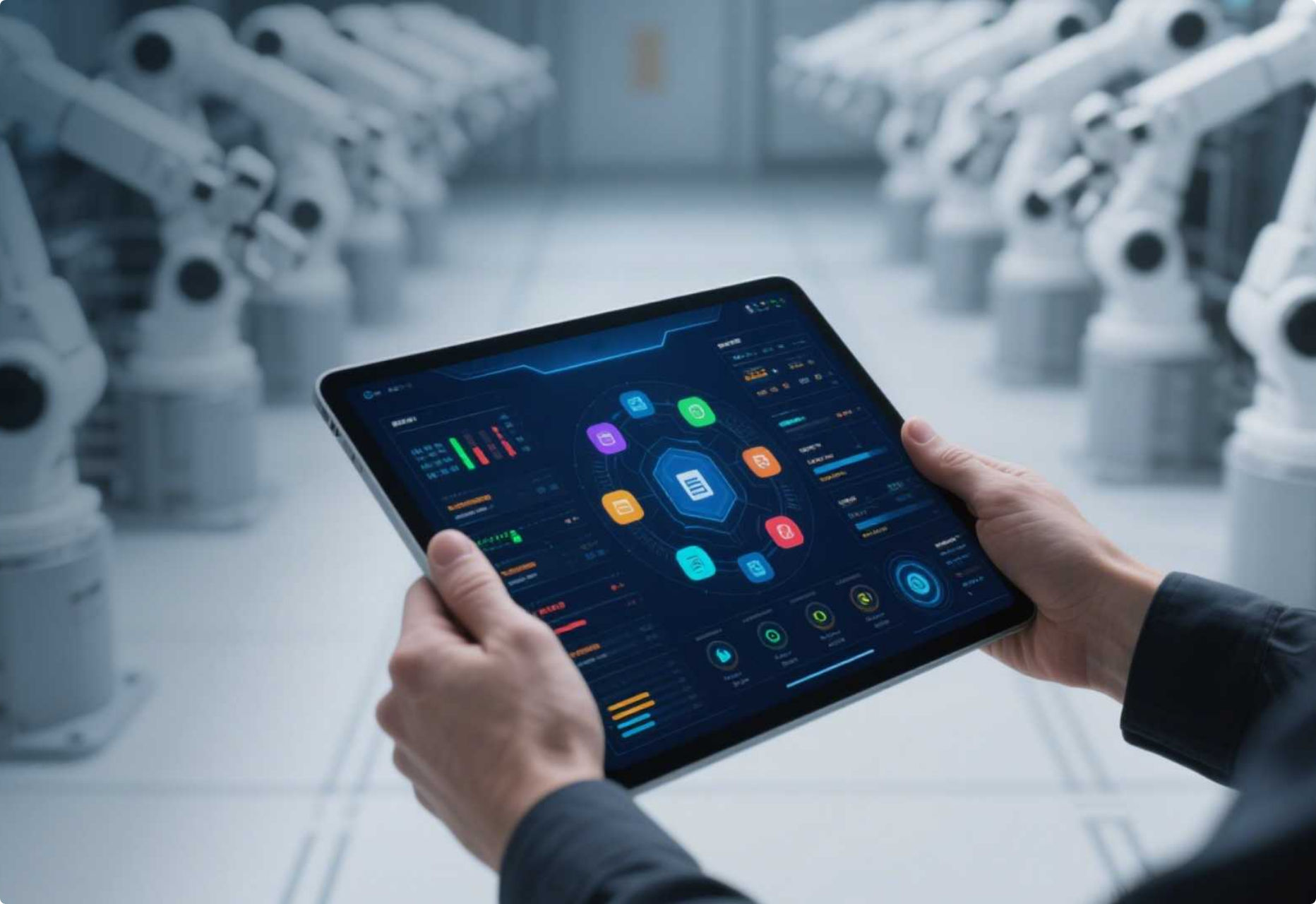
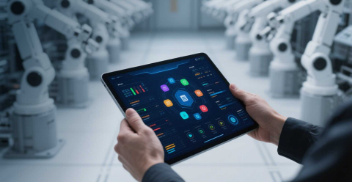
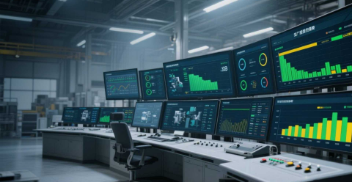
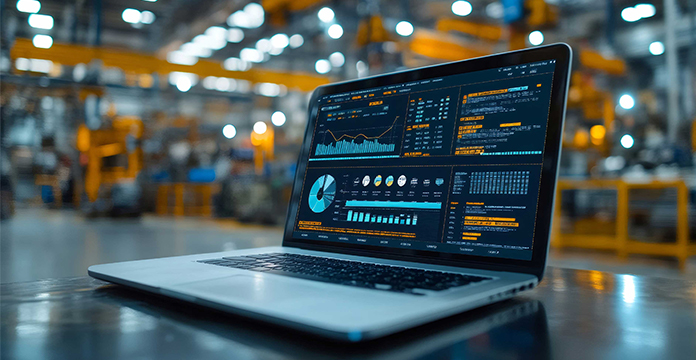
A Smart Factory visualization system can be simply understood as better integrating various information technologies such as industrial big data, IoT, and artificial intelligence, and better aggregating data resources from the factory's existing information systems, thereby achieving intelligent and digital management of the factory and improving factory efficiency.
Advantages Smart Factories Bring to Enterprises
Through smart factories, equipment can be more closely connected with employees and teams, and overall factory production efficiency can be improved through smarter and more flexible work schemes. Specific advantages:
- Exponentially increased production efficiency
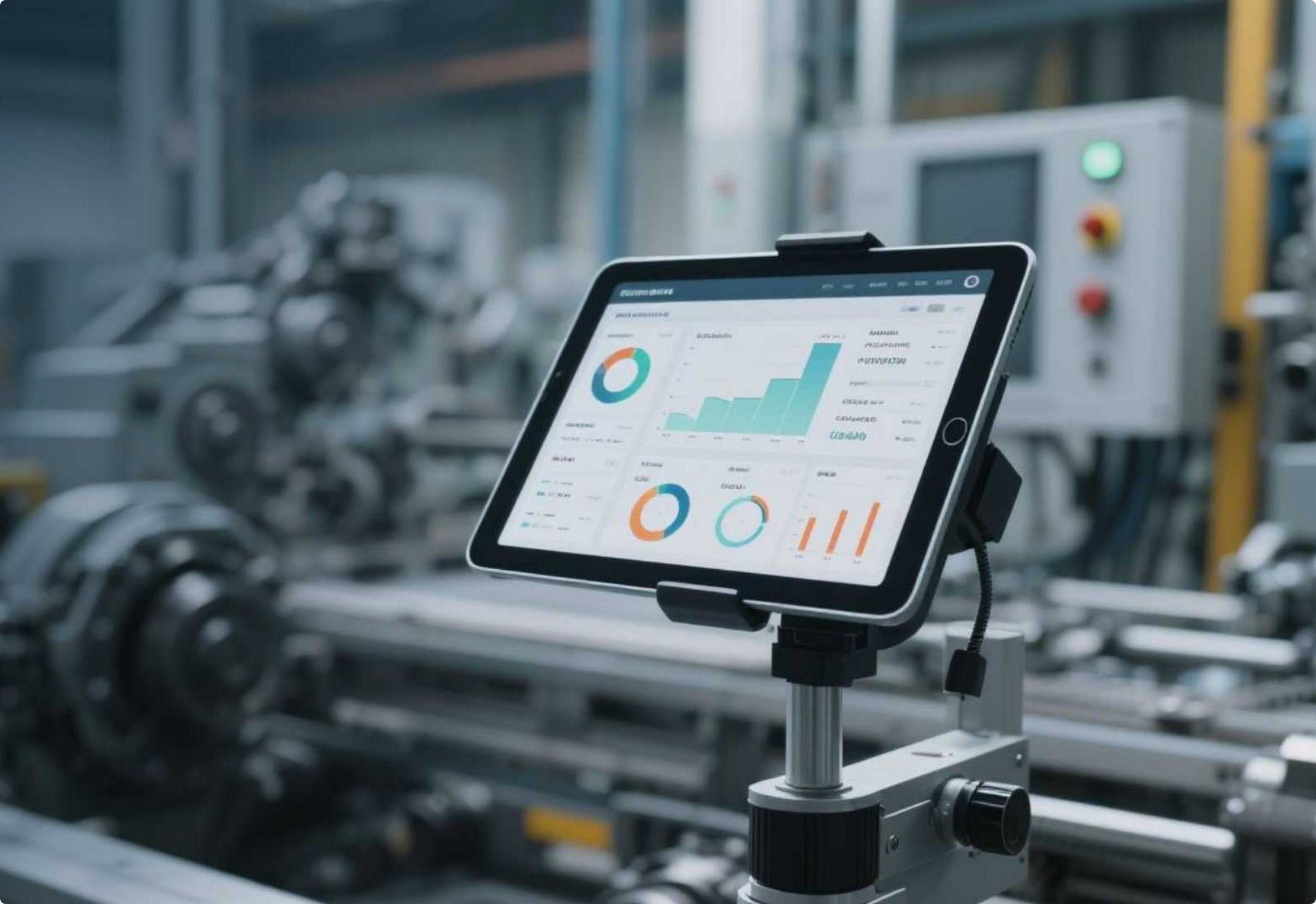
Smart factories can intelligently analyze and track production information, continuously tap into equipment and operational potential, improve production efficiency, and continuously improve management objectives.
- Continuous improvement of product quality
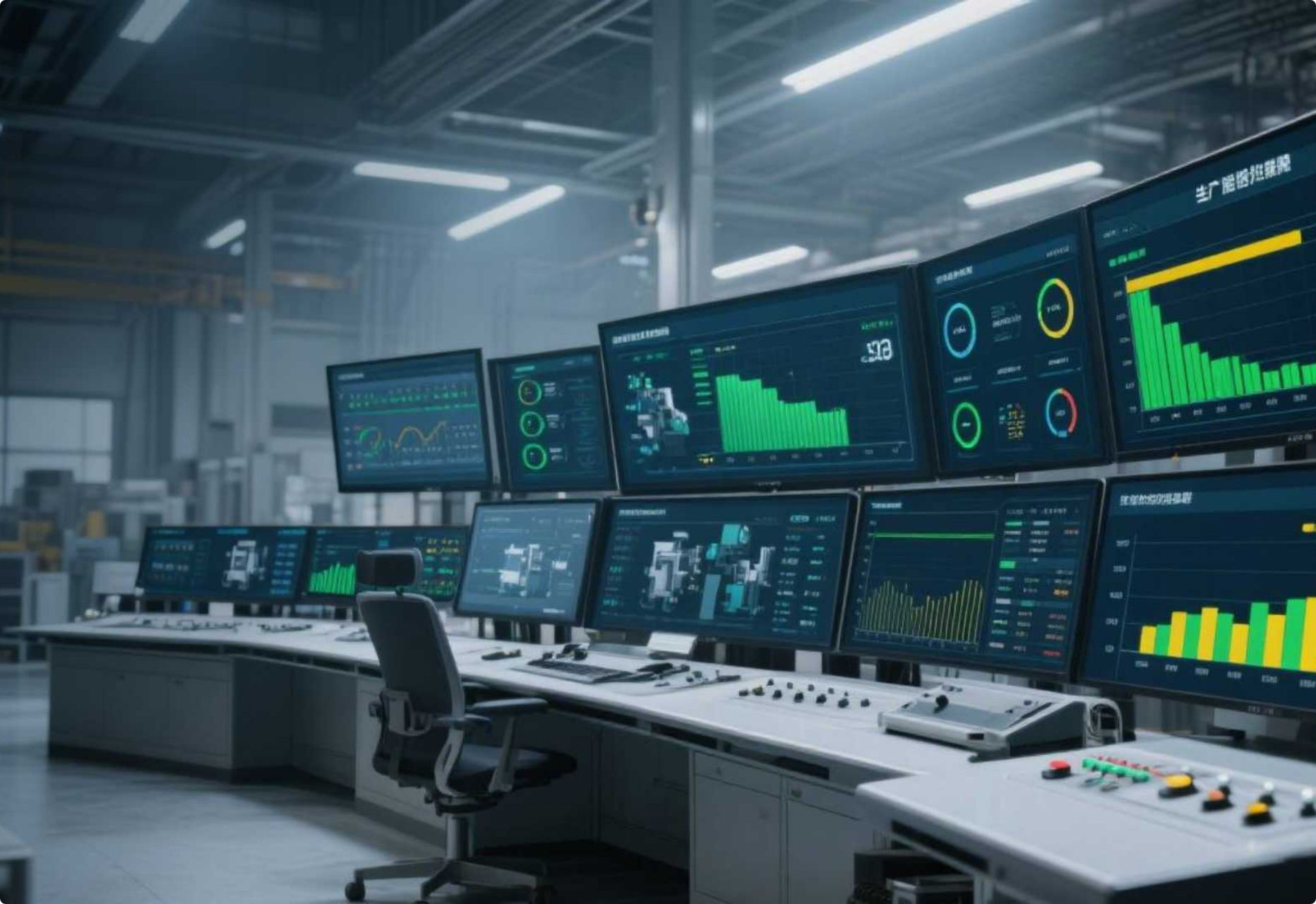
Smart factories, through real-time data collection, can comprehensively monitor the factory's production processes. At the same time, they can also achieve two-way quality traceability, not only continuously improving product quality but also implementing quality control, thereby raising the level of product quality.
- Real-time data collection for fully transparent management
Smart factories enable lean production, trigger-based automatic data collection, and reduce manual entry steps—first improving accuracy, and second improving work efficiency. Through real-time data collection, factory production can achieve fully transparent management, thereby enhancing production execution capabilities.

The smart factory solutions developed by ALSI have always integrated the essence of lean. This system allows managers to grasp information and on-site conditions in the Smart Factory without being physically present. The real-time data and information collected by the smart factory management system can assist managers in making better decisions, thereby improving factory efficiency and helping enterprises achieve lean production as early as possible. For ALSI, it is not just about creating a system but more about providing enterprises with a set of lean management experience that can be quickly implemented and continuously improved.