

 Products & Services






 400 676 5650
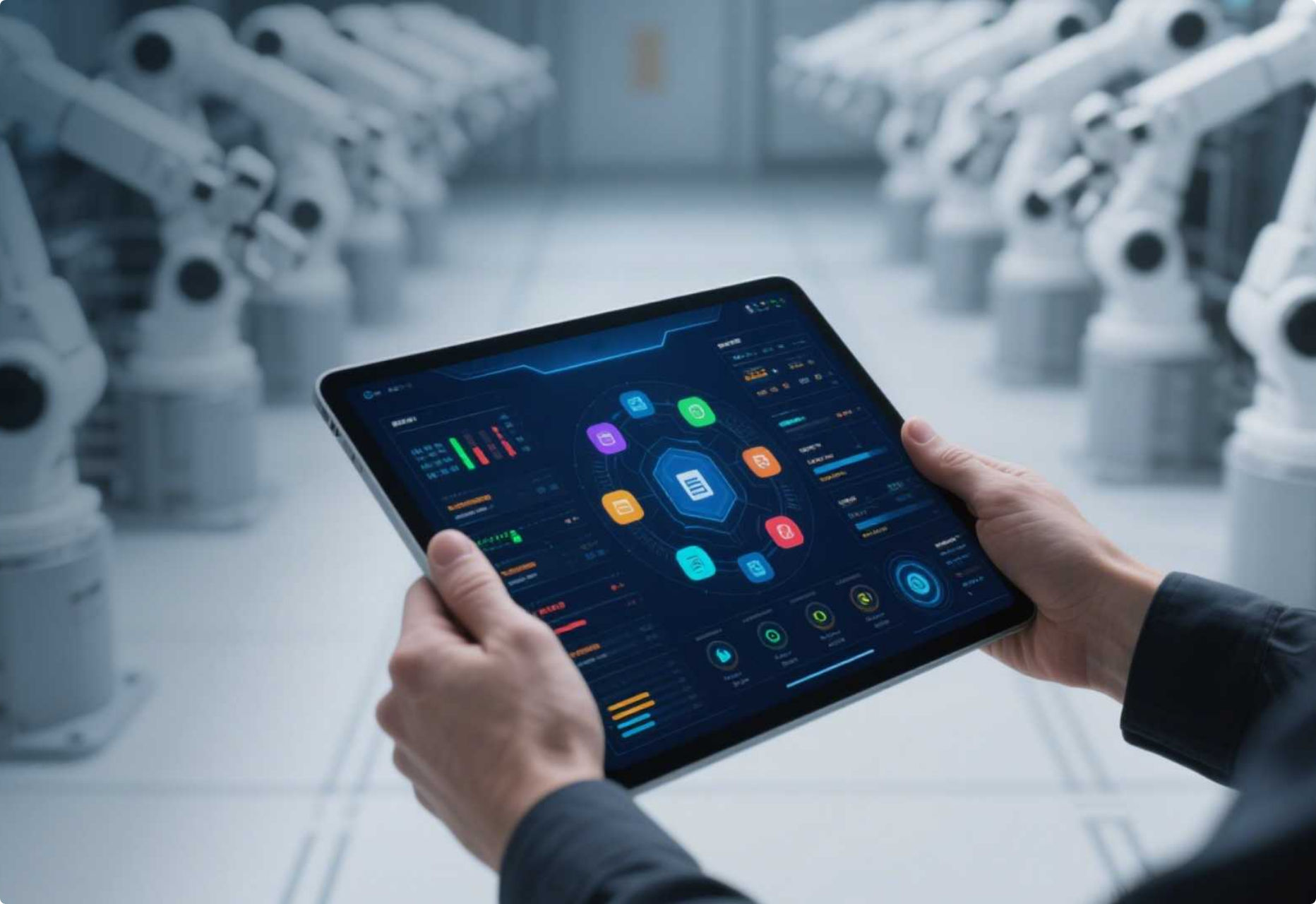
In the highly competitive manufacturing landscape, the APS Production Planning System plays an increasingly pivotal role in factory operations. The key to enhancing a company's competitiveness lies in efficiently utilizing resources and precisely planning production schedules. Today, we delve into how the APS production planning system is applied in manufacturing to orchestrate equipment and human resources like the factory’s brain, achieving a balance between production and sales while maximizing output and profitability.
As a management tool for production planning, the APS Production Planning System has rightfully earned its place as the "brain" of factory operations. It not only autonomously generates optimal production schedules based on order demands, equipment capacity, and human resources but also intelligently dispatches resources when they are constrained or surplus, thereby maximizing the utilization of both equipment and personnel.
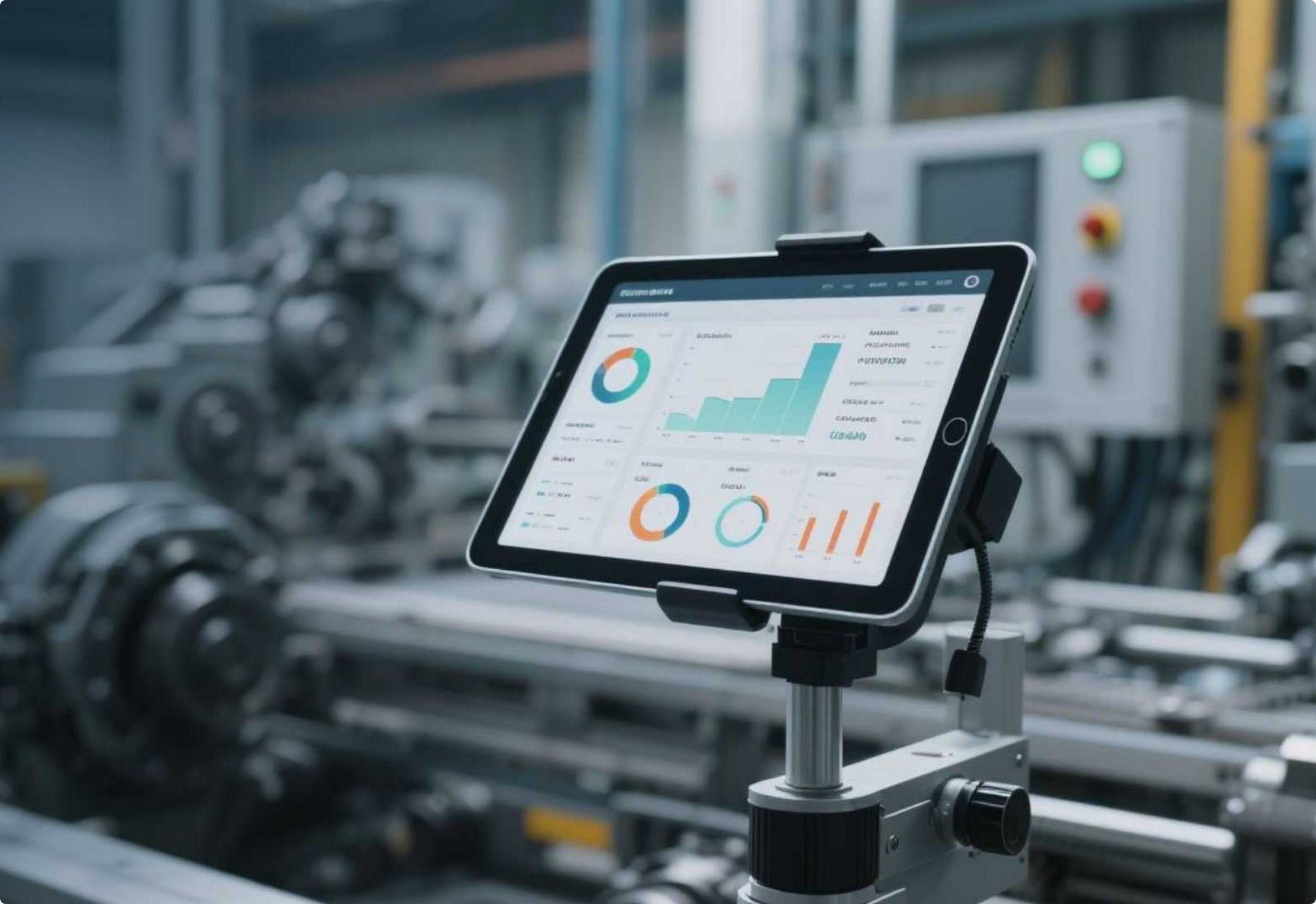
In industries such as machining, stamping, and die-casting, equipment resources are often limited and costly. Traditional production planning methods frequently lead to inefficient scheduling, resulting in equipment downtime and extended waiting periods, which drive up resource waste and costs. In contrast, the APS system ensures that each piece of equipment is fully utilized through precise scheduling, reducing idle time and waiting periods, thereby enhancing equipment utilization and overall production efficiency.
Balancing production and sales is fundamental to a company’s sustainable growth. The APS Production Planning System can preemptively devise balanced plans based on market demand, capacity assessments, and equipment status. When resources are constrained, the system intelligently schedules to ensure critical orders are completed on time; when resources are surplus, it facilitates effective utilization through outsourcing or leasing, achieving cost savings. Furthermore, APS can forecast human resource requirements based on production plans, providing robust support for decisions related to hiring or downsizing.
For instance, after adopting the Huipai APS Supply Chain Resource Planning Platform, a manufacturing enterprise achieved intelligent and refined management of its production processes. The system automatically schedules production according to order demands, ensuring continuous equipment operation without downtime. Meanwhile, through production-sales balance planning, the company effectively reduced inventory costs and improved capital turnover. Additionally, the system offered detailed forecasts of human resource needs, enabling the company to rationally hire and allocate staff, thereby lowering labor costs. With the support of the APS system, the enterprise realized dual improvements in production efficiency and economic benefits.
The APS Production Planning System is an indispensable tool in modern manufacturing. Through precise scheduling and production-sales balance planning, it maximizes the utilization of equipment and human resources while optimizing resource allocation.