

 Products & Services








 400 676 5650
In the wave of digital transformation, the importance of production planning as the baton guiding enterprise operations is self-evident. However, in the pursuit of technological innovation and algorithm optimization, we often overlook the foundational and rigorous nature of production planning. This article explores the critical role of production planning in enterprise transformation and emphasizes its importance in enhancing management efficiency and business outcomes.
The significance of production planning in factory operations is undeniable, and companies are constantly seeking ways to optimize their production plans. Yet, in this process, we have also identified numerous challenges: traditional optimization methods often lead to plans that are either unreasonable or inflexible, and execution may fall short. So, how can we address these issues?
1. Avoiding Black-Box Operations to Ensure Transparency in Production Planning
In the pursuit of technological innovation, we often fall into the trap of "black-box operations." To prevent this, we must ensure transparency in production planning, enabling both managers and frontline workers to clearly understand the outcomes of plan formulation.
2. Driving Production with Planning to Enhance Management Efficiency
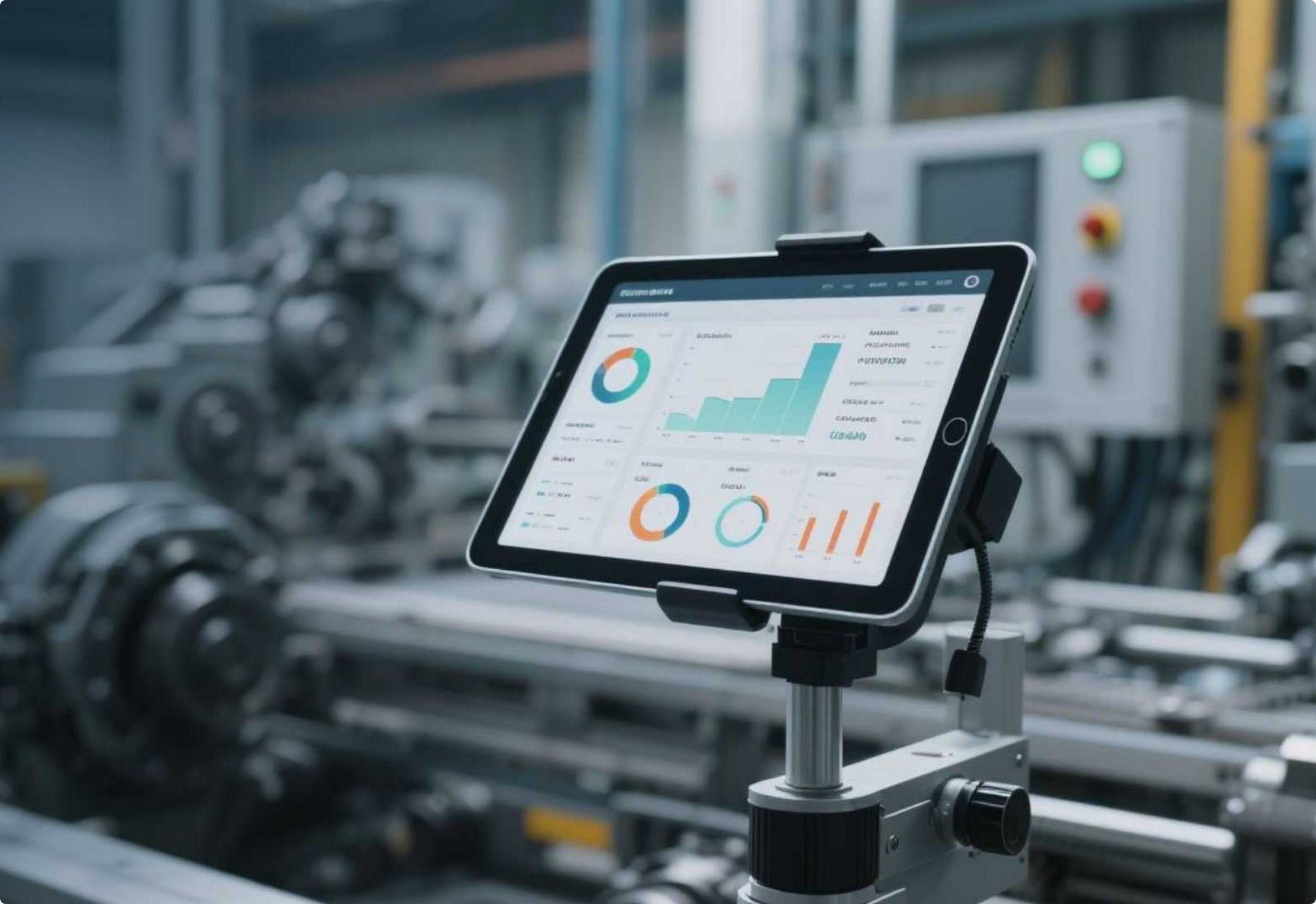
Enterprises can adopt an APS (Advanced Planning and Scheduling) system to achieve real-time dynamic scheduling, flexible constraint configuration, and simulation scheduling. By seamlessly integrating with intelligent systems such as MES and ERP, a full-chain intelligent production planning system can be established. This system acts as the "brain" of factory operations, overseeing and managing production plans.
3. Optimizing Production Plans to Achieve Business Goals
When issues are identified in the production process, production plans should be promptly adjusted and continuously refined with real-time tracking. This approach enhances the sustainability and executability of production plans, providing robust support for enterprise development.
In summary, enterprises must recognize the importance of production planning and prioritize its optimization. By optimizing production plans and achieving business objectives, companies can develop flexible and efficient scheduling methods with better human-machine interaction, improve on-site production efficiency, achieve collaborative management across the entire production process, and further refine workflows. Only by doing so can enterprises secure a foothold in the ongoing wave of digital transformation.