

 Products & Services







 400 676 5650
In today's market environment, customer orders are becoming increasingly complex and volatile. Ensuring delivery capability in a production setting characterized by small batches and diverse product varieties has become a major challenge for many enterprises. Production planning has thus become a critical link. Are you still using the simple "backward calculation from customer delivery date" method to formulate production plans? However, this approach often falls short when faced with uncertainties such as equipment failures, material shortages, or poor team coordination.
So, how can you stand out in this "scheduling battle," ensure the smooth execution of production plans, and meet the diverse needs of customers? This article will reveal the key strategies for optimizing production planning, guiding you toward a digital-led intelligent scheduling path.
Traditional production planning relies too heavily on manual, simple algorithms, making it difficult to cope with increases in order volume and business expansion. When issues arise with equipment or materials, delivery dates can be severely impacted, leading to decreased customer satisfaction.
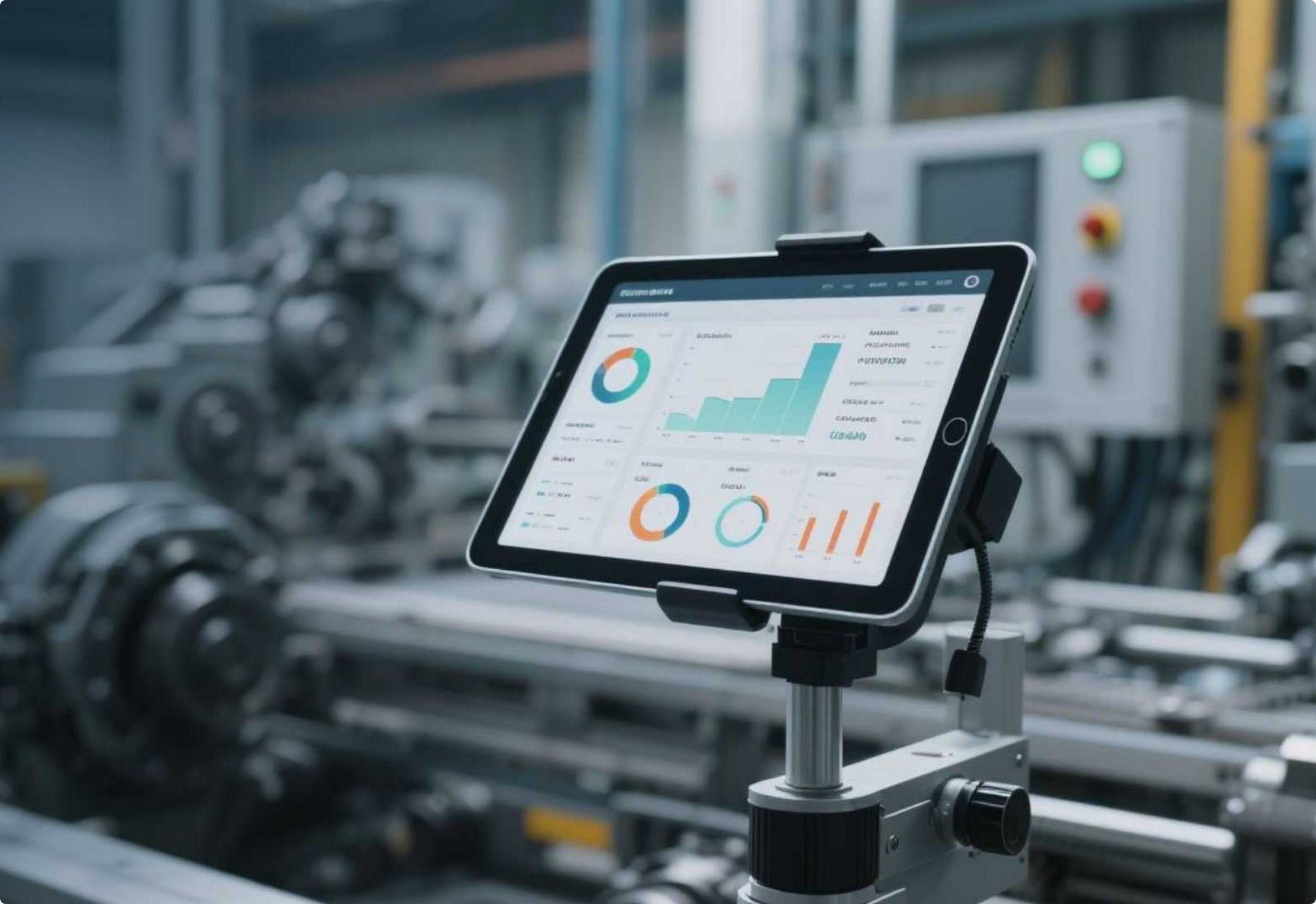
To overcome the limitations of traditional manual production planning, enterprises need to introduce digital systems that make production planning smarter and more flexible—analyzing and tracking in real time, automatically adjusting and continuously optimizing production schedules to ensure smooth operations.
Key advantages of digital production planning:
1. Improved delivery capability: Intelligent scheduling systems can automatically arrange production tasks based on order priority and delivery deadlines, ensuring timely delivery of small-batch, multi-variety orders.
2. Reduced production costs: By optimizing production plans and resource allocation, the occurrence of equipment failures, material shortages, and other issues is minimized, lowering production costs.
3. Enhanced customer satisfaction: Intelligent scheduling systems ensure on-time order delivery, boosting customer satisfaction and loyalty.
4. Increased market competitiveness: By improving delivery capability and customer satisfaction, enterprises strengthen their market competitiveness and win more market share.
So, how do we digitally optimize production planning? First, enterprises need to review and optimize existing production processes to ensure smooth and efficient workflows. Choose a system that suits the enterprise's needs—avoid blindly following trends. Second, strengthen employee training and learning regarding the intelligent scheduling system. Finally, continuously optimize and improve the intelligent scheduling system based on market changes and customer demands to ensure its sustained competitiveness.
In summary, improving small-batch, multi-variety delivery capability requires enterprises to start with production plan optimization and introduce digital technologies to achieve intelligent scheduling. By implementing the SmartPai APS scheduling system, enterprises can significantly enhance delivery capability, reduce production costs, improve customer satisfaction, and boost market competitiveness. Let us join hands and march toward a smarter, more efficient production future!