

 Products & Services







 400 676 5650
In the surging wave of digital transformation, numerous enterprises have embarked on upgrade journeys, many hoping to enhance production efficiency and competitiveness through technological innovation. However, during the implementation of the MES (Manufacturing Execution System), many companies encounter difficulties: IT personnel lack business acumen, and equipment staff find that collected data cannot be practically applied, leading to stagnation in MES equipment.
Faced with this challenge, we fully understand that traditional constraints must be broken, and digital transformation must be genuinely integrated into production planning. Hence, this article delves into how to achieve precise control of equipment management through the MES system, injecting new vitality into production planning.
I. MES System: A Powerful Tool for Digital Transformation
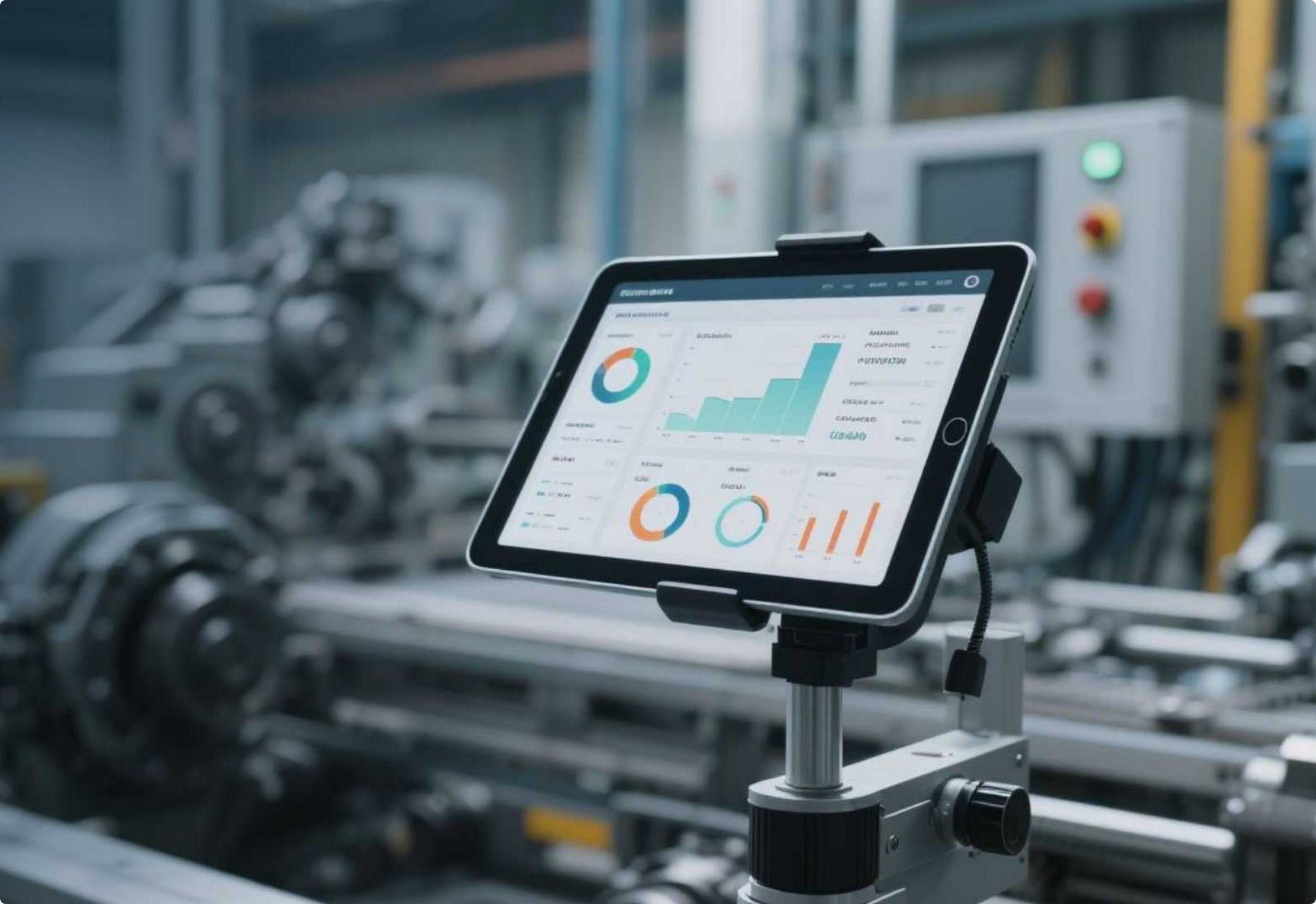
As a bridge connecting the enterprise planning layer with the workshop execution layer, the MES system is a critical instrument for digital transformation. It collects real-time data from the production site, providing enterprises with comprehensive and accurate production information, enabling visualization and controllability of the production process.
II. Predicaments of Traditional Equipment Management
Under traditional equipment management models, enterprises often grapple with issues such as incomplete data collection, cumbersome processing, and limited application. This not only results in low equipment management efficiency but also increases production costs and safety risks. Therefore, how to fully leverage the MES system to achieve precise and efficient equipment management has become an urgent problem for enterprises to solve.
III. MES System Enables Precise Equipment Management
To break free from traditional equipment management challenges, we directly integrate data collected by the MES system into operations, achieving precise control over equipment losses. This approach simplifies and streamlines equipment management, bringing numerous benefits to enterprises:
Precise Data Analysis: Through the MES system, enterprises can access real-time equipment operation data, fault information, and maintenance records, enabling comprehensive monitoring and analysis of equipment status. This helps enterprises promptly identify equipment issues, proactively formulate maintenance plans, and mitigate the impact of equipment failures on production schedules.
Optimized Production Planning: Supported by data from the MES system, enterprises can more accurately forecast production progress and capacity needs, thereby optimizing production plans. This enhances production efficiency, reduces costs, and shortens delivery cycles.
Enhanced Equipment Management: By analyzing and applying equipment data from the MES system, enterprises gain deeper insights into equipment performance characteristics and operational patterns, allowing them to develop more scientific maintenance strategies and management policies. This improves equipment management levels, reduces failure rates, and extends equipment lifespan.
In summary, production planning innovation driven by digital transformation offers limitless possibilities for enterprises. By fully utilizing the MES system to achieve precise and efficient equipment management, enterprises can break traditional constraints, boost production efficiency, lower costs, and secure a competitive advantage in the market.