

 Products & Services








 400 676 5650
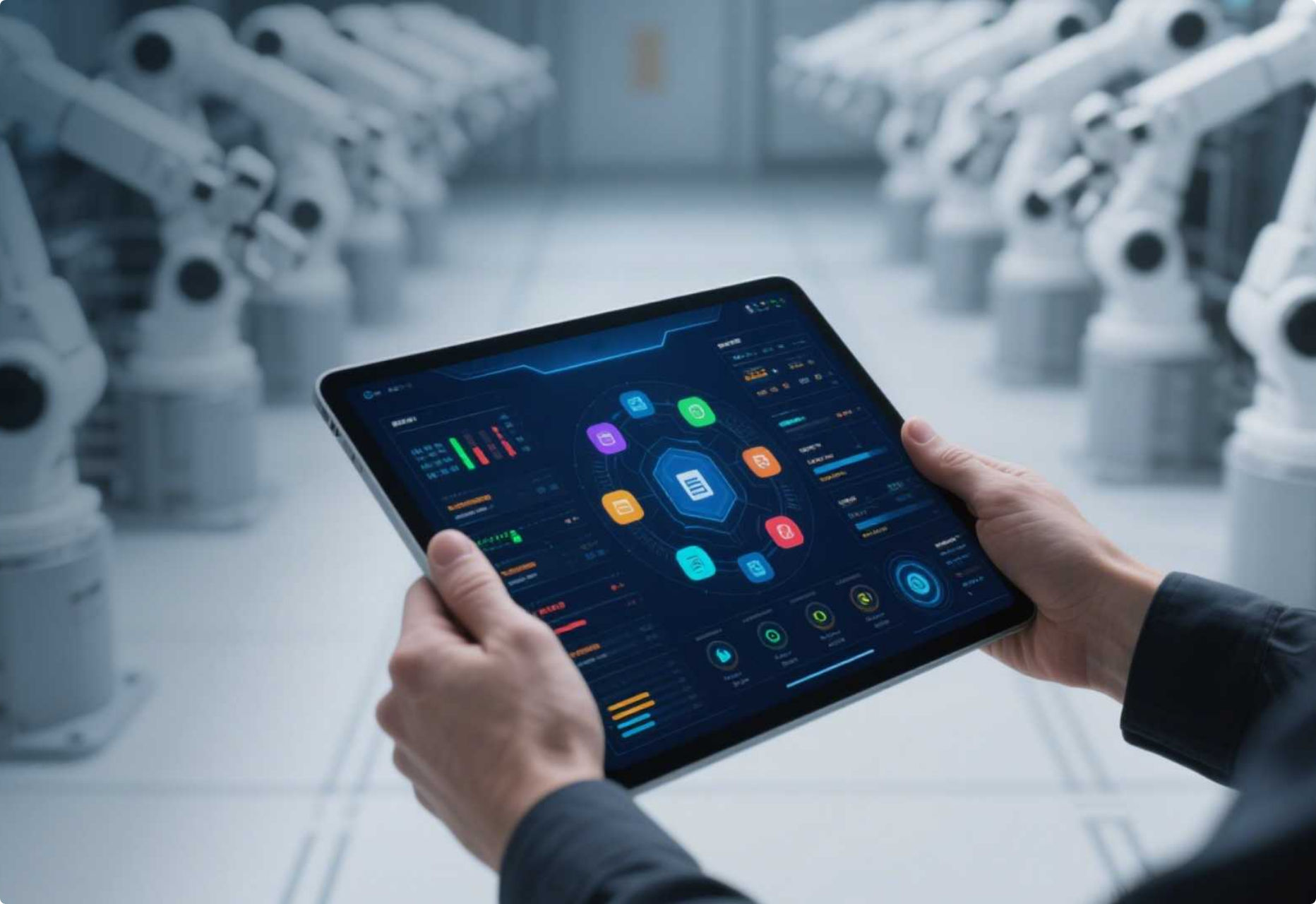
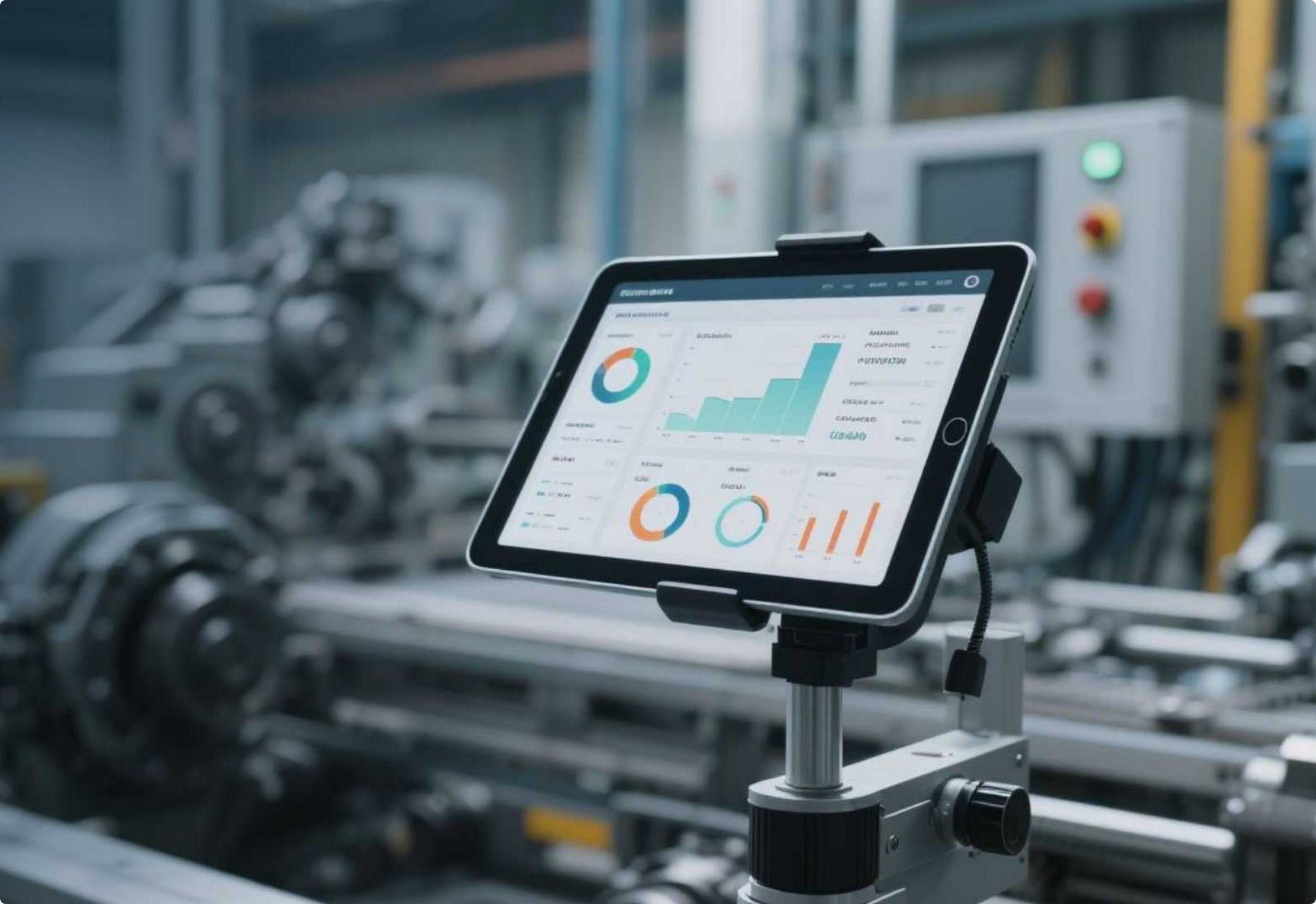
Against the backdrop of the ongoing transformation in the manufacturing industry, small and medium-sized factories face both greater opportunities and challenges. These factories urgently need to transition into smart factories to enhance their competitiveness and address current bottlenecks, such as low equipment utilization and opaque production data. So, how can these small and medium-sized factories overcome difficulties and achieve the transition to smart factories?
In existing factories, equipment from different generations—old, middle-aged, and new—coexists, with varying levels of digitalization. Many "dumb" devices lack unified protocols and interfaces, posing significant challenges to digital transformation. To address this, companies can adopt intelligent equipment management solutions from smart manufacturing solution providers like ALSI, enabling precise data collection and integration from equipment, thereby laying the foundation for subsequent digital transformation.
Many factories find that after investing in expensive smart manufacturing systems, employees are reluctant to use them. Why is that? Some systems are complex and difficult to learn, failing to solve the factory's actual problems. Therefore, when selecting a smart manufacturing system, business owners should prioritize ease of use and compatibility with their own factory's needs, ensuring employees can easily get started and that factory efficiency genuinely improves.
Given the characteristics of existing factories, companies can adopt the following strategies to drive smart manufacturing transformation:
1. Define clear goals: Companies should clarify the goals and vision of smart manufacturing transformation, ensuring all employees fully understand the necessity and urgency of the transition.
2. Choose the right entry point: Based on their actual situation, companies can select a specific process or workshop as a pilot, gradually extending the transformation to the entire factory.
3. Engage professional teams: Companies can bring in expert teams from smart manufacturing solution providers like ALSI to offer customized smart manufacturing solutions and consulting services.
4. Strengthen employee training: Companies should enhance employee training and education to improve their understanding of smart manufacturing and operational skills.
5. Continuously optimize and improve: During the smart manufacturing transformation, companies should continuously optimize and improve production processes, management systems, and other aspects to ensure a smooth transition.
In summary, although the path of transforming existing factories into smart factories is fraught with challenges, as long as companies clearly define their current goals, identify their bottlenecks, use these as entry points, collaborate with professional teams, and strengthen employee training, they can successfully transition into smart factories and step into a new era of intelligence.