


 Products & Services







 400 676 5650
In the wave of digital transformation, production scheduling is particularly critical in the machining industry, serving as a key step to enhance operational efficiency and reduce costs. A successful case from our practice shows that a machining plant saved 400,000 yuan in cost within a year by optimizing its production scheduling. This article delves into how you can effectively lower costs in machining plants through optimized production scheduling.
The machining industry is characterized by high product variety and low batch sizes, which often necessitate frequent tool and mold changes, as well as unplanned downtime due to material jams or equipment failures. These issues lead to reduced production efficiency and cost losses. Particularly in fast-paced production environments, such as a factory producing 200 to 300 wet wipes per minute, any downtime can have a massive impact on output.
Last year, we served a machining plant that was plagued by severe unplanned downtime. Due to material replenishment, jams, and faults, 17 machines had to be shut down for up to half a day daily. Frontline workers were often unable to resolve these anomalies independently, and had to halt production while waiting for maintenance staff or shift supervisors to intervene, severely affecting capacity.
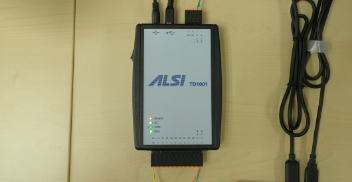
To address this, we proposed a solution to reduce downtime by optimizing production scheduling. Specifically, we deployed data acquisition terminals to monitor equipment status in real time, triggering immediate alerts whenever anomalies were detected. For issues requiring maintenance personnel or supervisors, operators could press a button to call for help, and smart wristbands would notify the relevant personnel in real time, ensuring timely intervention and resolution.
After implementing this optimization, the plant's downtime decreased significantly. Data pulled by the client at the beginning of the year showed a reduction of over 70% in downtime. This improvement not only boosted production efficiency but also substantially lowered production costs. On an annualized basis, the plant saved 1.4 million yuan in costs.
By optimizing production scheduling and monitoring equipment status in real time, machining plants can significantly reduce unplanned downtime, enhance production efficiency, and cut costs. This successful case fully demonstrates the importance of production scheduling optimization in the machining industry. Therefore, machining plant owners should prioritize production scheduling optimization to reduce downtime, increase output, and lower costs.