

 Products & Services







 400 676 5650
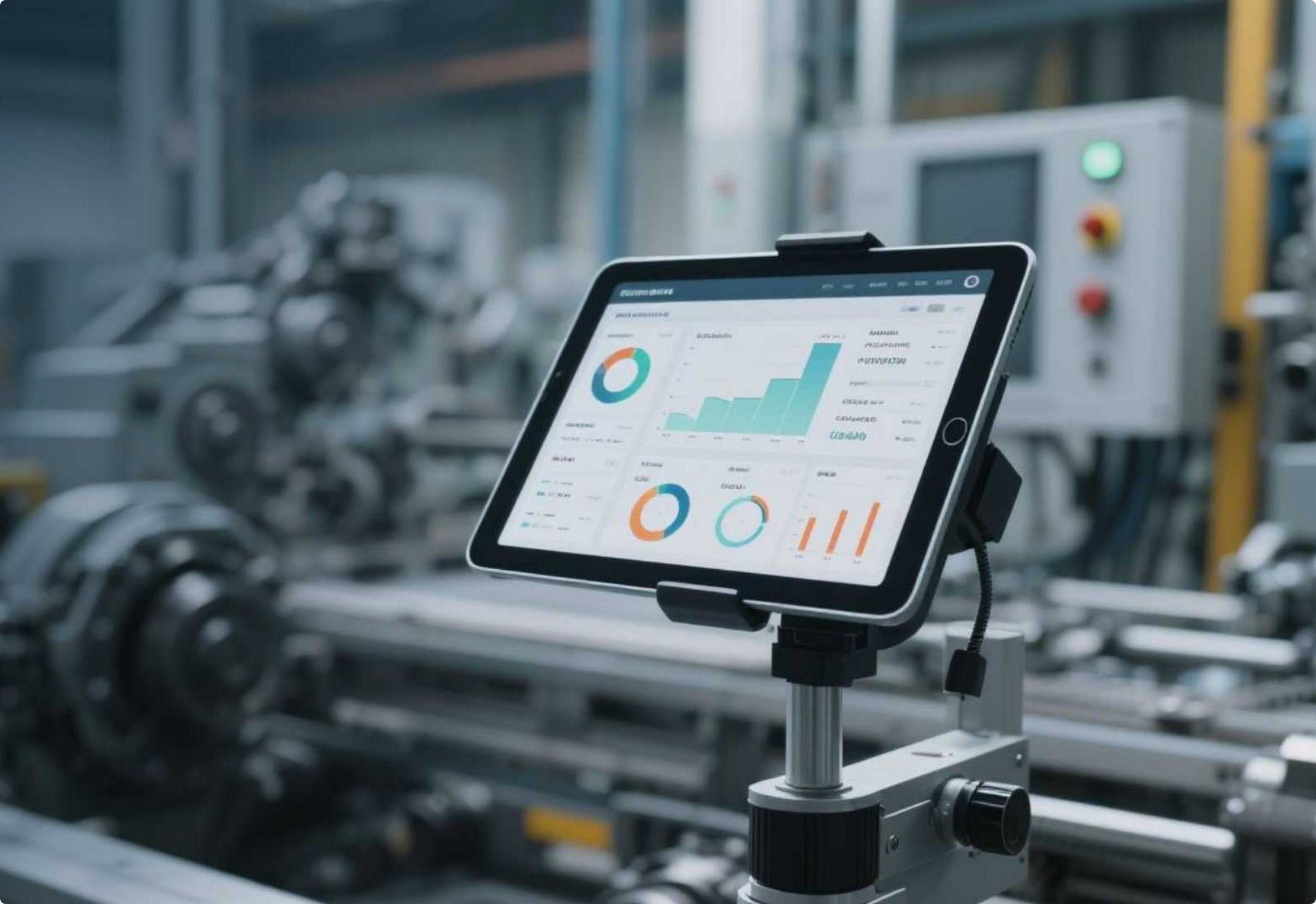
APS (Advanced Planning and Scheduling System) has become a key tool for improving efficiency in SMEs. For many small and medium-sized factories, the question arises: should they adopt an APS system? While APS systems may be costly and complex compared to other solutions, the benefits they bring to small and medium factories are abundant. In fact, for such factories—especially those grappling with small batches, high product variety, cross-production on shared lines, and unstable orders—implementing APS can yield even more unexpected gains for the enterprise.
Small and medium factories often have limited equipment resources, and investing in new machinery is expensive. However, through APS-driven resource scheduling, factories can make fuller use of existing equipment without adding new assets, thereby taking on more orders and boosting production capacity.
At the same time, for small and medium factories under immense cost pressure, APS can optimize production processes to lower manufacturing costs and improve profit margins, even when order volumes are limited.
So, how does one choose a good APS system? First, it must embody lean principles; only a pull-based production plan can truly achieve cost reduction and efficiency gains. Second, selecting a service provider with a manufacturing background is critical, as pure software companies may lack a deep understanding of operational needs and fail to develop a system that truly meets real-world production requirements.
Therefore, even small and medium factories with an annual output value of less than 50 million yuan should actively consider adopting a small, fast, lightweight, and accurate APS system tailored for small businesses. By better harnessing the advantages of digitalization, they can leverage APS to enhance production efficiency and cut costs, enabling the factory to stand out in fierce market competition.