

 Products & Services









 400 676 5650
In today's fiercely competitive market environment, digital transformation has become an inevitable trend across all industries. However, is digital transformation only suitable for large enterprises? The answer is no. Regardless of company size, digital transformation can bring significant benefits. Next, we will explore the core content and objectives of digital transformation, and analyze why small and medium-sized enterprises (SMEs) can also achieve competitive advantages through digital transformation.
Core and Purpose of Digital Transformation
Digital transformation refers to the process by which enterprises reshape business processes, improve production efficiency, enhance customer experience, and ultimately boost overall competitiveness through the introduction of digital technologies and innovative concepts. Its core content includes but is not limited to:
1. Business Process Automation: Leveraging advanced management systems and automated equipment to increase production efficiency and resource utilization.
2. Data-Driven Decision Making: Using big data analytics to extract valuable insights from data, aiding enterprises in scientific decision-making.
3. Customer Experience Optimization: Enhancing customer service quality through digital means to improve satisfaction and loyalty.
The ultimate goal of digital transformation is to improve operational efficiency and market competitiveness, driving sustainable development for enterprises.
Digital Transformation is Not Only for Large Enterprises
At a recent annual conference for agents of a multinational manufacturing company, we learned that China's consumer market remains sluggish, with the two main consumer goods—automobiles and mobile phones—performing poorly. Even though demand for new energy vehicles has grown, the overall automotive industry is still in a downturn. Whether it's Tier 1 large enterprises or Tier 4 SMEs, all are facing challenges of insufficient orders and declining production capacity. This has intensified market competition, leading to escalating price wars among companies.
In such a market environment, enterprises not only need to secure more orders but also ensure those orders yield substantial profits. However, many companies see profits shrink as order volumes increase, with some even facing the risk of losses. Therefore, how to reduce costs and improve efficiency amid fierce market competition has become an urgent issue for enterprises.
Digital Transformation Drives Cost Reduction and Efficiency Gains
Both large enterprises and SMEs can enhance competitiveness through digital transformation. When examining enterprise costs, we find that while raw material costs account for a high proportion, they are often uncontrollable. The only part that can be compressed is production costs, which are divided into equipment-related costs and personnel-related costs. To reduce these costs, enterprises must improve equipment and personnel efficiency, thereby lowering the processing cost per unit. Digital transformation is the optimal solution to this problem.
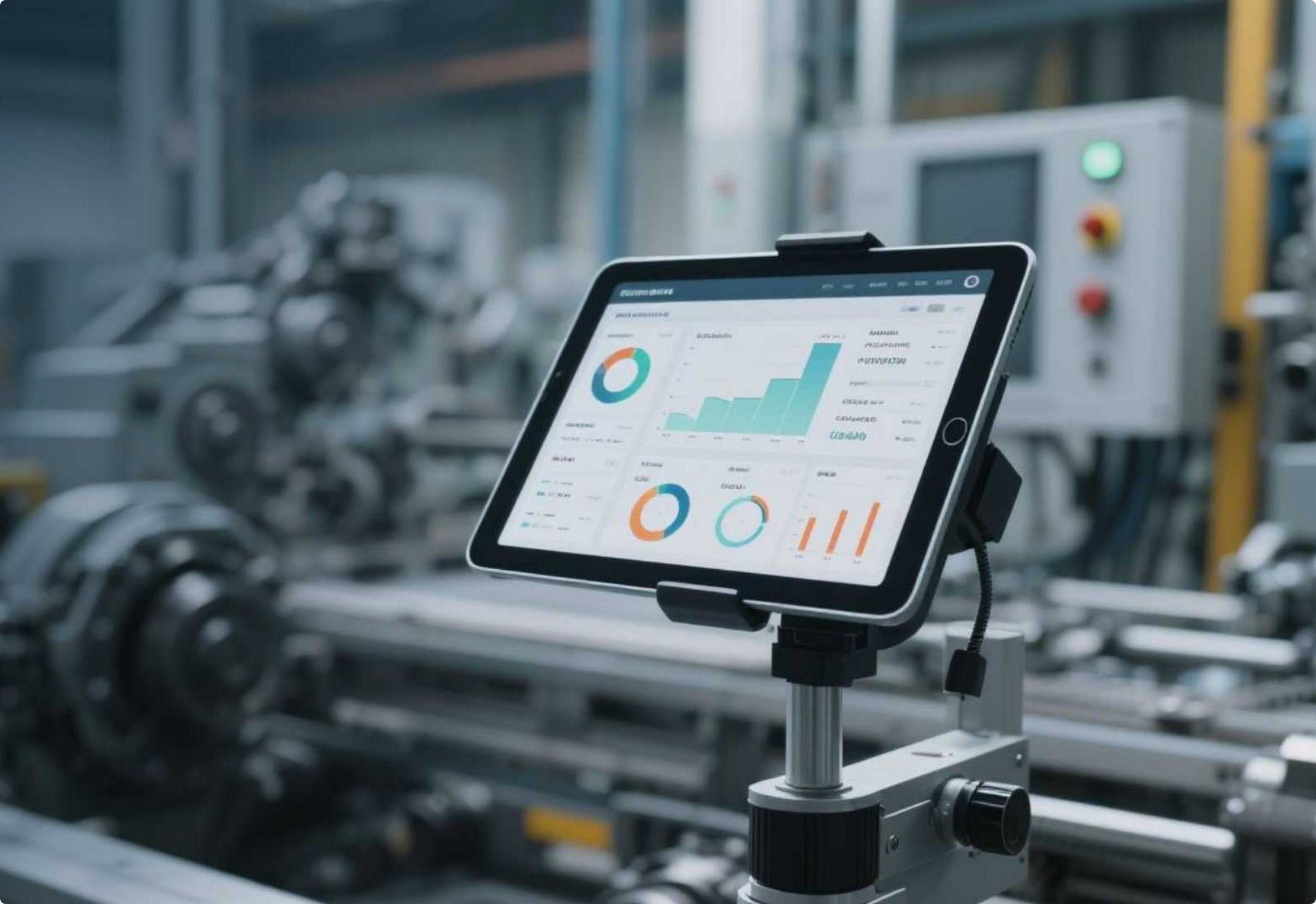
By introducing digital technologies, enterprises can optimize production processes, improve equipment utilization, and enhance workforce efficiency. For example, leveraging IoT technology to monitor equipment status in real time, promptly identifying and resolving potential issues, reduces downtime and maintenance costs. Meanwhile, optimizing production plans through data analytics increases production line flexibility and responsiveness, thereby lowering production costs and improving product quality.
The Digital Transformation Path for Different Enterprises
It is important to note that digital transformation is not a one-size-fits-all approach. Each enterprise should develop a customized digital transformation roadmap based on its actual situation. In particular, SMEs should avoid pursuing overly ambitious, all-encompassing changes all at once. Partial digital transformation is the best route for SMEs: by identifying pain points and bottlenecks, prioritizing the most urgent issues, investing modestly for substantial gains, and gradually improving competitiveness.
Lean production is an effective tool for discovering and resolving production pain points and bottlenecks. Through lean production, enterprises can continuously optimize production processes, reduce waste, improve efficiency, and gradually achieve digital transformation goals. Japanese manufacturing companies successfully transformed during economic downturns through lean production, providing valuable lessons for other enterprises.
Conclusion
Digital transformation is not only for large enterprises; SMEs can also achieve cost reduction, efficiency gains, and enhanced competitiveness through a well-planned digital transformation path. The key lies in enterprises tailoring strategies based on their actual conditions and progressively realizing digital transformation objectives. In today's intense market competition, digital transformation has become a necessary path for enterprises to maintain competitive advantages and achieve sustainable development. By continuously optimizing production processes and improving efficiency, both large enterprises and SMEs can stand out in the global marketplace.