

 Products & Services





 400 676 5650
In the previous article, we discussed the origins and basic functions of the Andon system. Today, we will delve into the composition of the Andon system and its role in modern manufacturing.
Composition of the Andon System
The Andon system primarily consists of three components: anomaly detection, anomaly notification, and anomaly resolution.
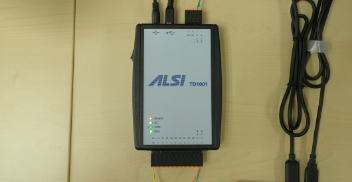
1. Anomaly Detection: Traditionally, workers at workstations would identify anomalies through visual inspection. However, with the advancement of Internet of Things (IoT) technology, this process has been greatly streamlined. For instance, by installing sensors on equipment, anomalies can be automatically identified in real time. The three-color light status collector we developed is one such tool. It automatically detects equipment anomalies through a non-contact method, significantly improving detection efficiency.
2. Anomaly Notification: Traditional methods of anomaly notification include audible and visual alarms as well as workers shouting. However, these approaches often lack precision and have slower response times. With technological progress, precise notification devices such as wristbands have emerged, enabling rapid alerts to relevant personnel, thus greatly reducing notification time.
3. Anomaly Resolution: Upon receiving an anomaly notification, the relevant personnel promptly arrive at the site to resolve the issue. This process has become more efficient with the support of new technologies.
Functions of the Andon System
Modern Andon systems leverage IoT technology to enable automatic anomaly detection and rapid notification, significantly enhancing production efficiency.
Common Types of Anomalies
- Equipment anomalies
- Material anomalies (shortages, incorrect materials)
- Quality anomalies
- Personnel anomalies (e.g., sudden illness, restroom breaks)
These anomaly types can be customized based on specific production conditions to meet the needs of different manufacturing environments.
Data Value of the Andon System
The Andon system not only excels in real-time response but also provides valuable production management information through data collection and analysis:
Production Anomaly Data Collection:
- Time of anomaly occurrence
- Workstation where anomaly occurred
- Type of anomaly
2. Anomaly Response Data:
- Response duration for anomalies
- Resolution duration for anomalies
- Personnel responding to anomalies
Through statistical analysis of this data, management can identify major production issues and implement targeted improvements. For example, identifying frequently occurring anomaly types and problem-prone workstations, as well as optimizing anomaly response efficiency.
The digital and intelligent evolution of the Andon system has brought significant advancements to anomaly detection and resolution in manufacturing. By automating equipment and employing precise notification methods, the Andon system not only boosts production efficiency but also provides management with invaluable data support, driving the achievement of lean production goals.