

 Products & Services




 400 676 5650
During the Two Sessions in March this year, the implementation of the digital transformation initiative for the manufacturing sector attracted significant attention. However, many enterprises fall into a common misconception at the very outset of their digital transformation journey, believing that more data is always better, while overlooking the core value and precision of data.
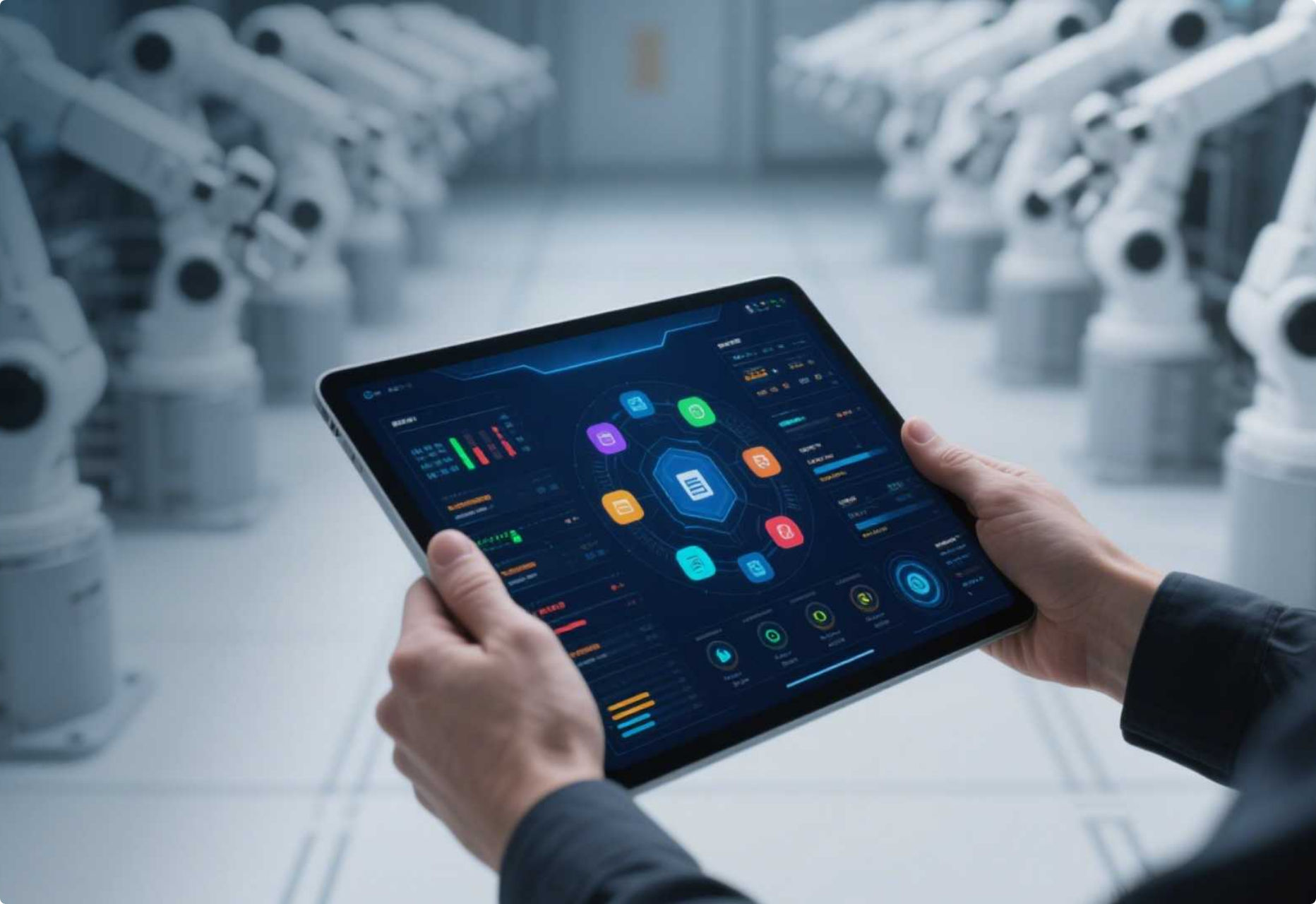
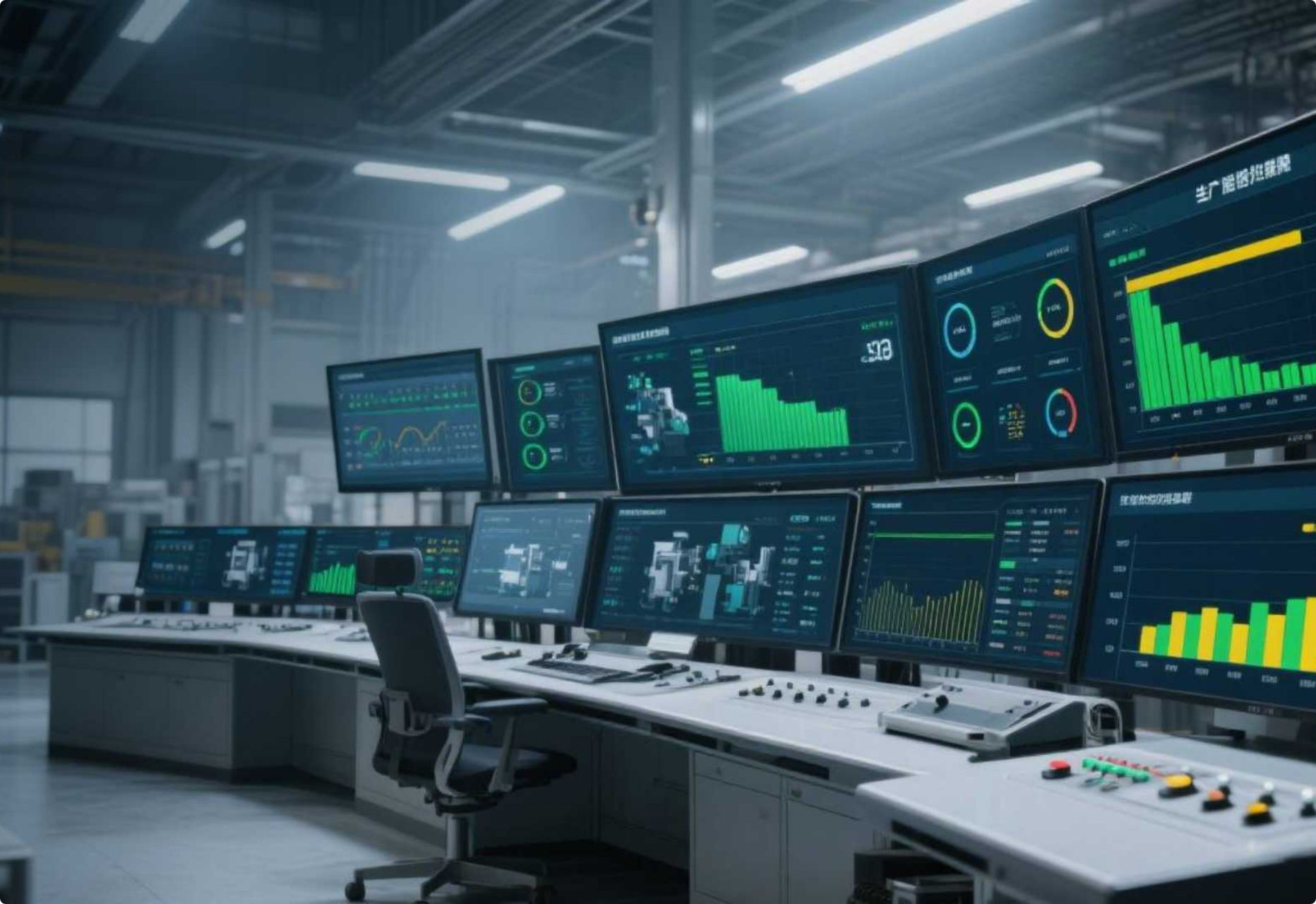
Data, as the cornerstone of digitalization, hinges on quality rather than quantity. Core data in the manufacturing industry includes equipment operational data, quality-related process parameters, and equipment health status information. These datasets not only enable real-time monitoring of production progress and identification of idle machinery but also support quality inspection and fault prediction, reducing failure rates and ensuring efficient and stable production.
For manufacturing enterprises, data collection is not simply about "the more, the better." In fact, capturing core data from key equipment ensures that every step of digital transformation is solid and well-founded. Research indicates that precise data input can yield significant economic returns—this is the multiplicative effect of data elements.
However, it is important to note that not all data holds value. Outdated or erroneous data cannot provide effective support and may even lead to misguided decisions. Therefore, replacing manual data collection with machine-driven processes to ensure real-time accuracy is a critical step in digital transformation.
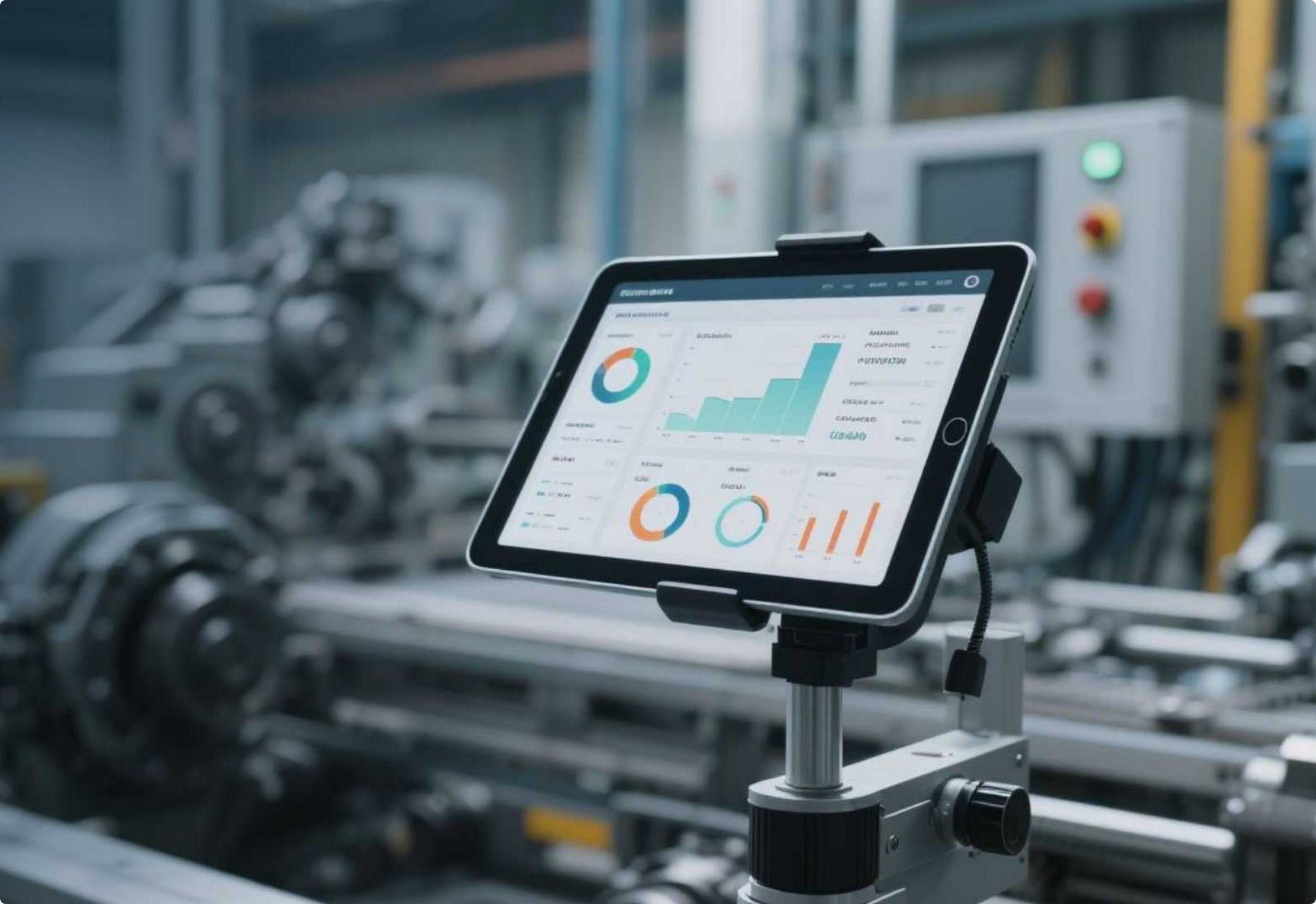
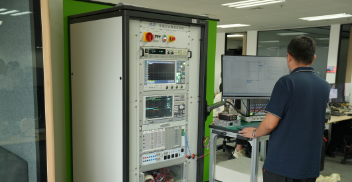
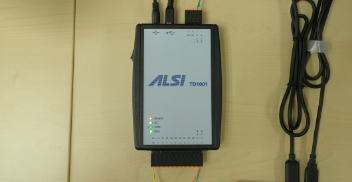
Take a certain enterprise as an example: by using external collectors to capture equipment data in real time, it not only substantially improved production efficiency but also effectively reduced failure rates. This case fully illustrates that digital transformation requires a precise focus on core data, using data-driven decision-making to achieve smarter and more efficient upgrades in the manufacturing sector.