

 Products & Services








 400 676 5650
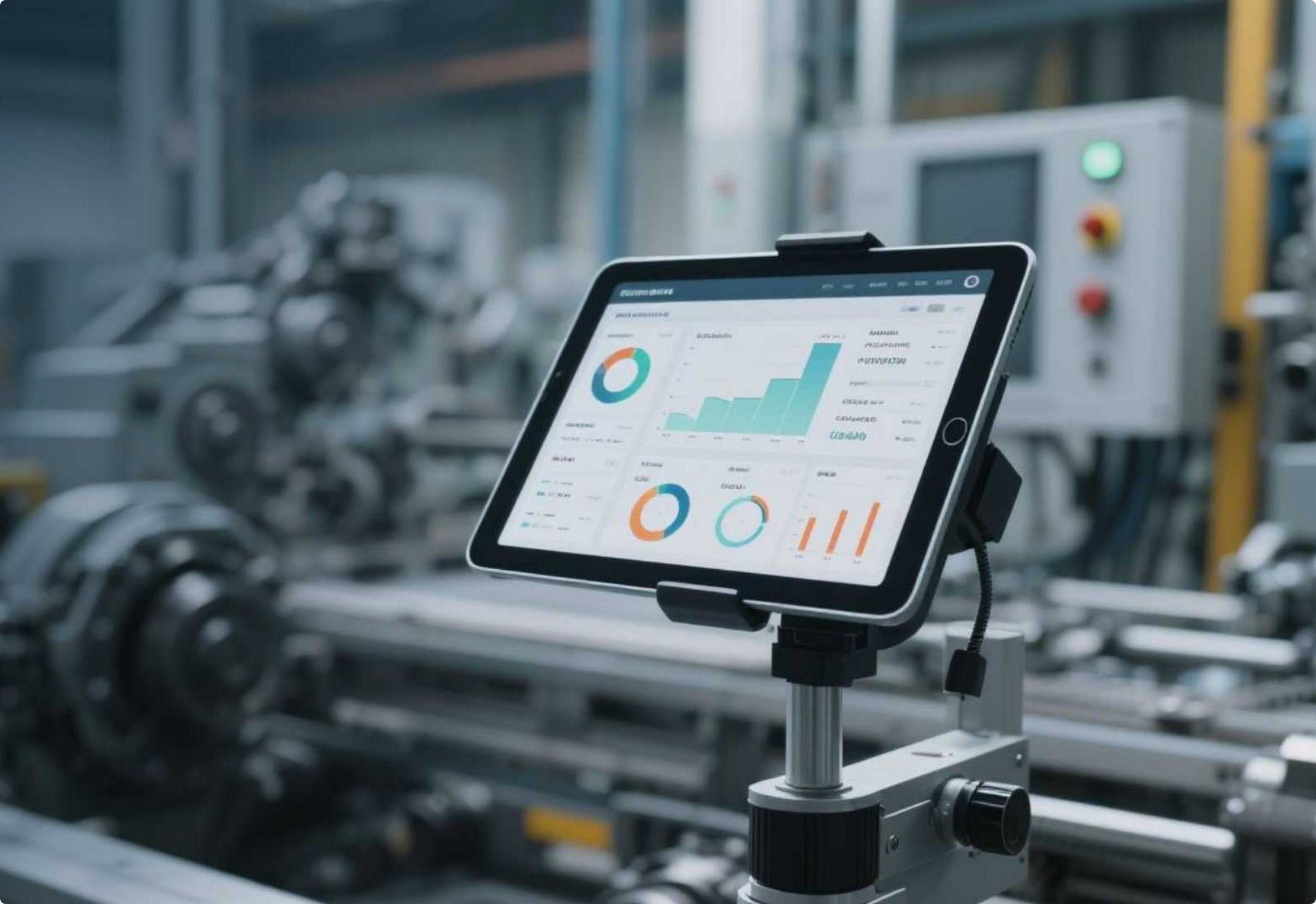
As information technology rapidly evolves, enterprises are increasingly leaning on technological capabilities to enhance productivity and management efficiency. Among these tools, Advanced Planning and Scheduling (APS) systems—a cutting-edge production planning and management asset—are attracting widespread industry attention. For small and medium-sized enterprises (SMEs) in particular, whether to adopt APS has become a strategic decision of paramount importance. This article delves into the core issue, exploring the application potential and practical value of APS in the production scheduling scenarios of SMEs.
First and foremost, it is essential to clearly define the fundamental functions and effectiveness of APS. By integrating diverse information such as enterprise resources, capacity indicators, material flow, and production processes, this system enables intelligent design and continuous optimization of production plans. It assists enterprises in more accurately forecasting production demands and scientifically planning production activities, thereby improving production efficiency and resource utilization precision. For SMEs, this represents a viable pathway to enhance their market competitiveness.
However, when considering the adoption of APS, SMEs must deeply reflect on their specific circumstances and actual needs. Variations in industry characteristics, product diversity, and production models all influence the true demand for and adaptability of APS among SMEs. This means that a one-size-fits-all decision-making logic is not applicable.
For SMEs with stable production activities, concentrated product lines, and relatively steady order volumes—where production processes are fairly fixed and the need for frequent adjustments to production plans is low—the introduction of APS may not be an urgent priority. In such cases, blindly pursuing an advanced production planning management system may unnecessarily increase operational costs while yielding limited practical benefits.
Conversely, for SMEs with diverse product lines, fluctuating order volumes, and complex, variable production processes—such as those in mechanical processing, consumer electronics, and precision component manufacturing—APS may be the key to breaking production bottlenecks and enhancing management efficiency. These enterprises face high levels of production uncertainty and complexity, urgently requiring a flexible and efficient production scheduling tool to manage this complexity. Leveraging intelligent algorithms and data analysis capabilities, APS systems can help such enterprises optimize production scheduling, reduce costs, and ensure timely delivery, thereby securing a competitive edge in the market.
Moreover, when weighing the adoption of APS, SMEs must also consider their own technological capabilities and management levels. As a high-end production planning and management tool, effective operation of APS depends on the enterprise's existing technical foundation and management mechanisms. Without the necessary technical support and professional talent, even after implementing an APS system, it may be difficult to fully realize its potential, and improper maintenance could even lead to soaring costs.
Therefore, before making a decision, SMEs need to conduct a comprehensive review and planning process. This includes: clarifying their production and management improvement goals and whether APS is necessary to achieve them; self-assessing their technical foundation and management capabilities to determine if they meet APS operational requirements; and carefully weighing costs and benefits to find the most reasonable balance point for return on investment.
In conclusion, whether SMEs should adopt APS is a complex, multi-dimensional decision that requires thoughtful consideration based on their unique circumstances and needs. Only through thorough self-assessment can SMEs make the most informed choice, selecting the production planning management tool that best suits their development, paving the way for sustainable growth.