

 Products & Services



 400 676 5650
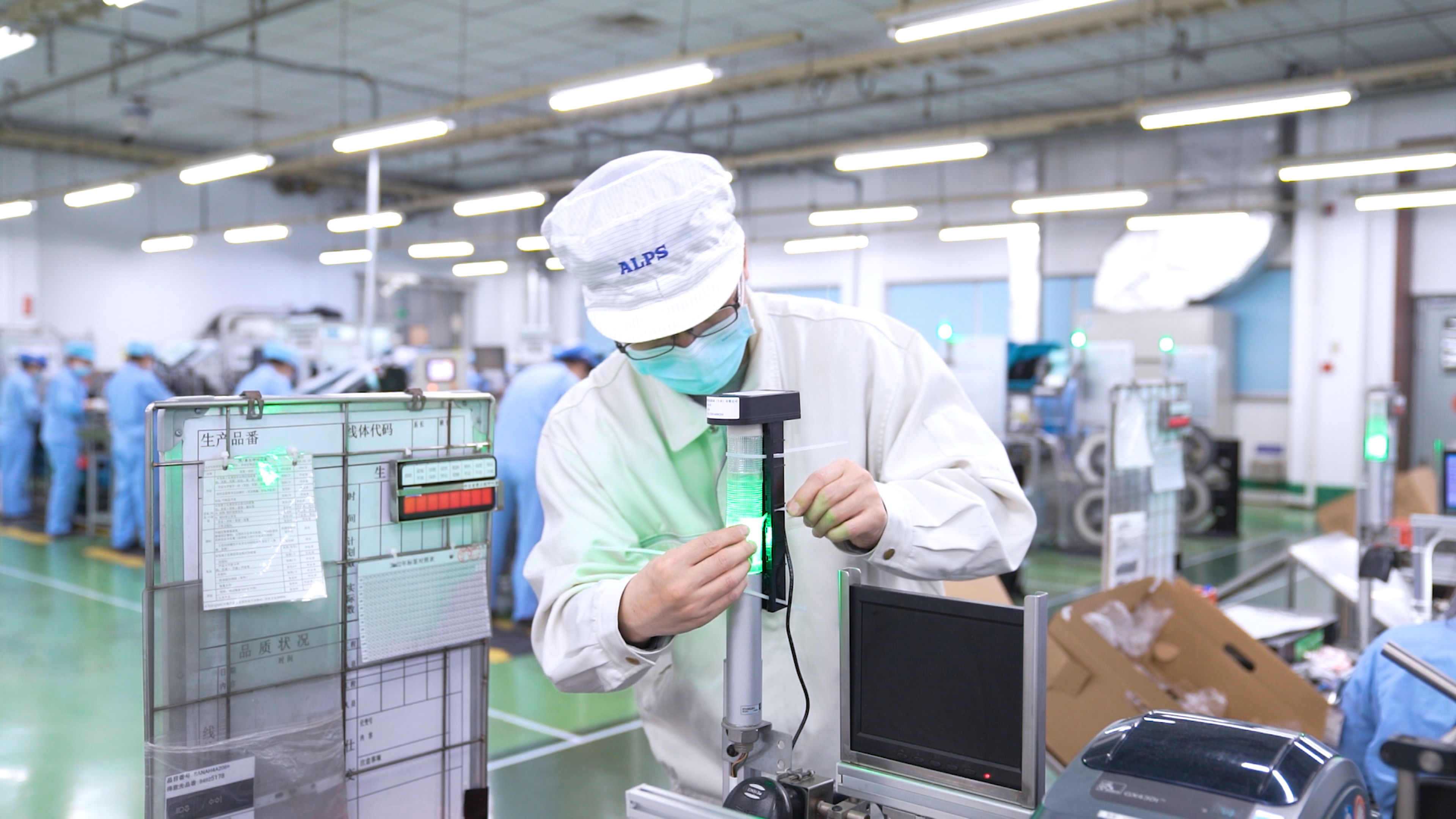
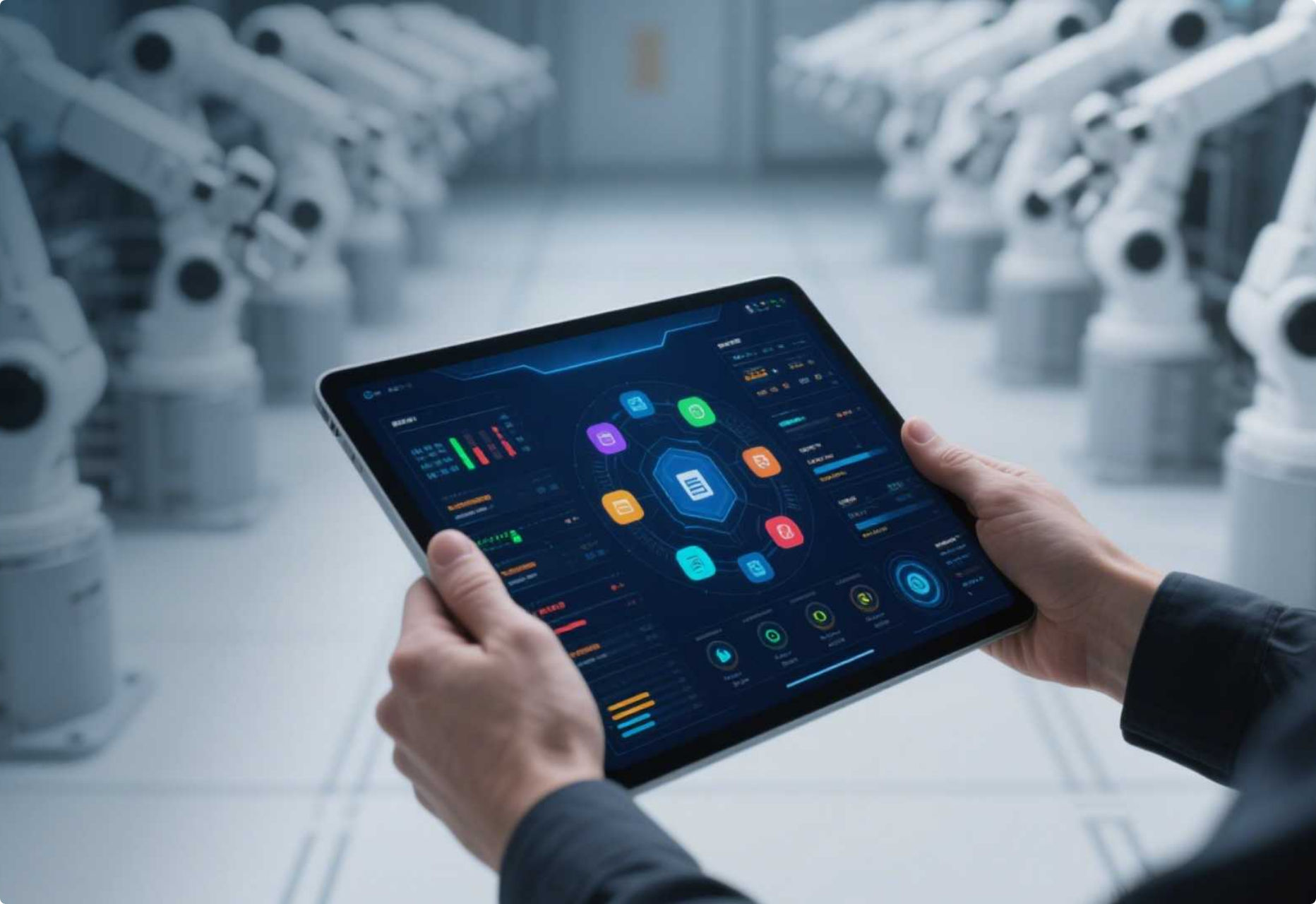
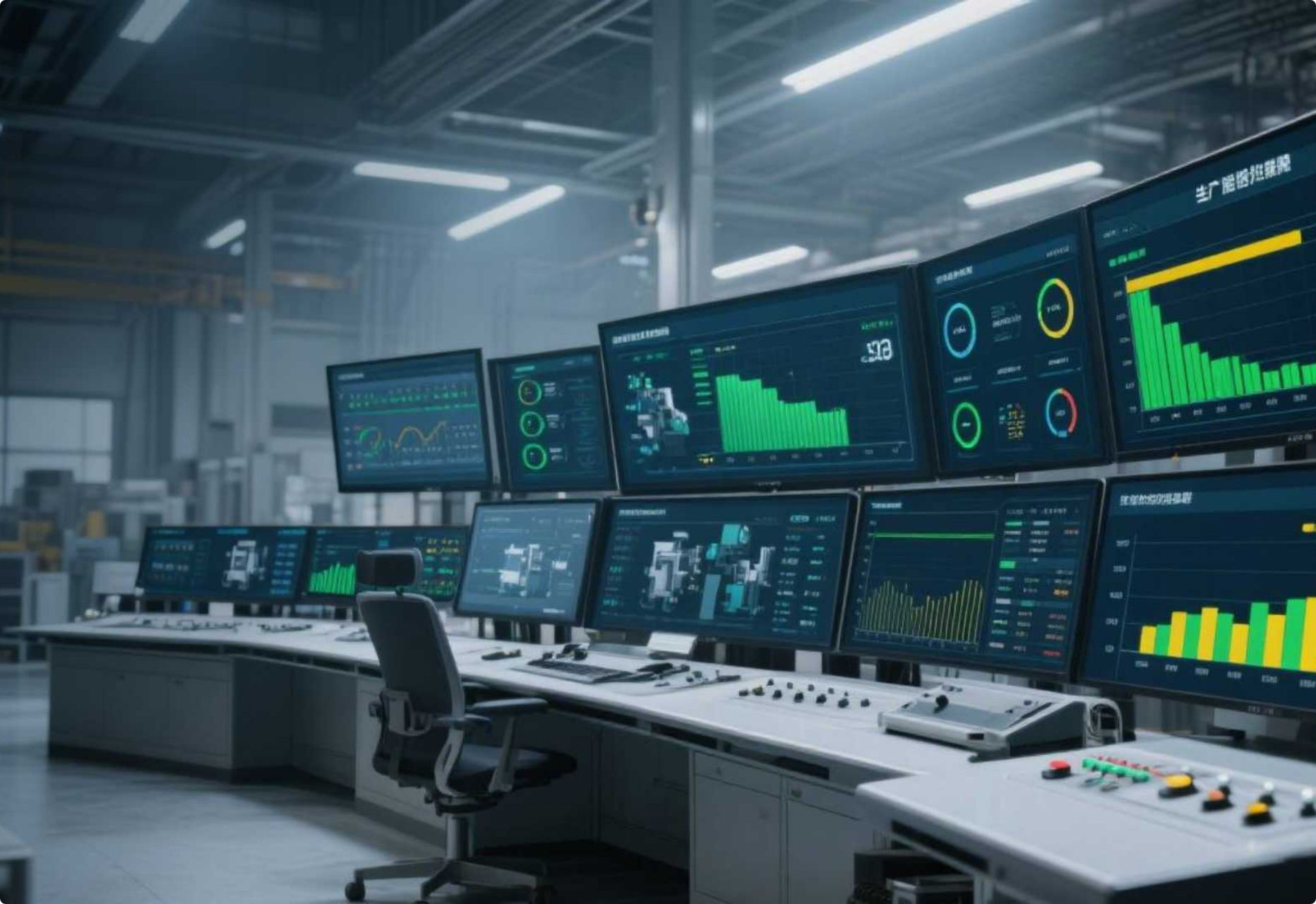
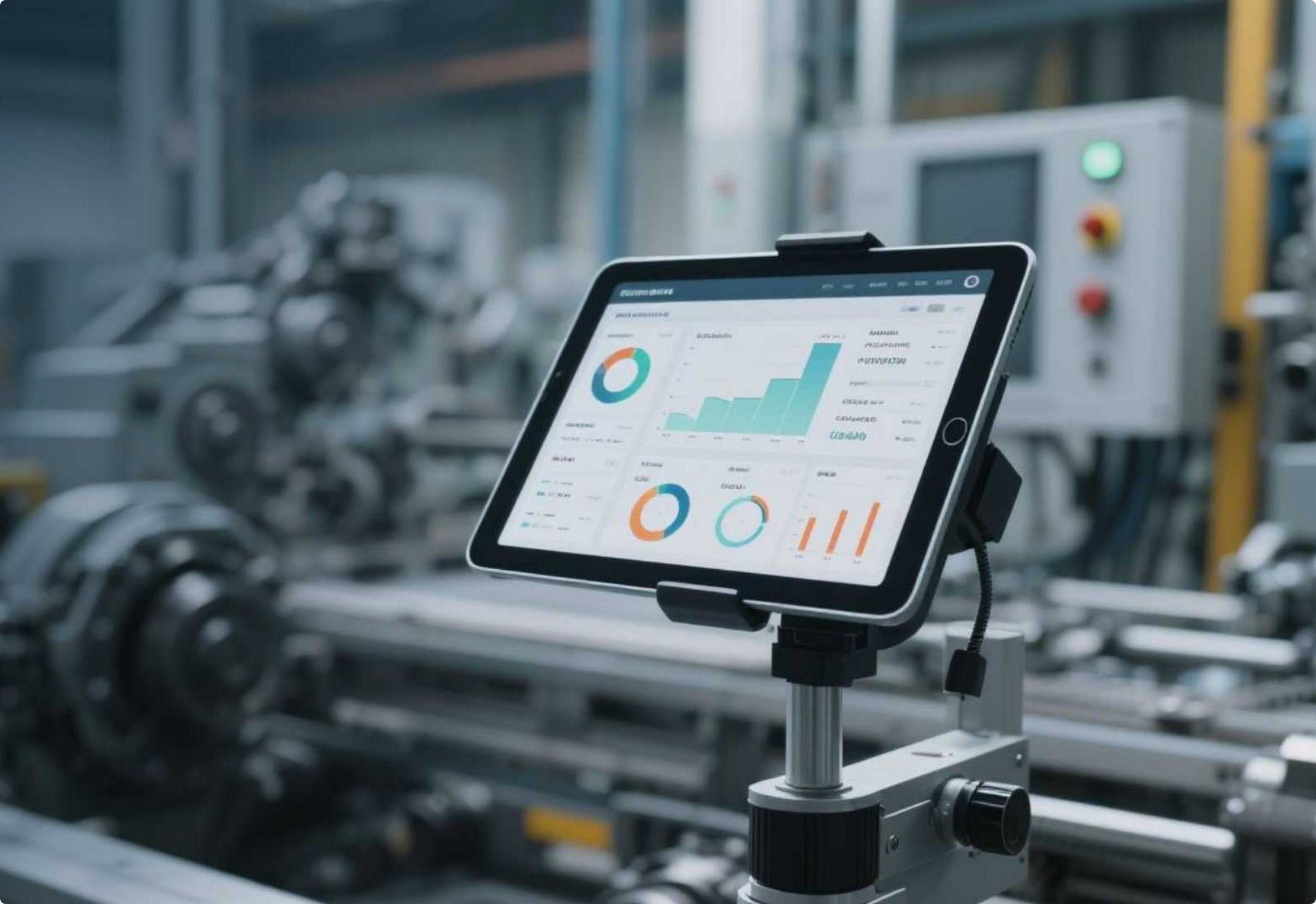
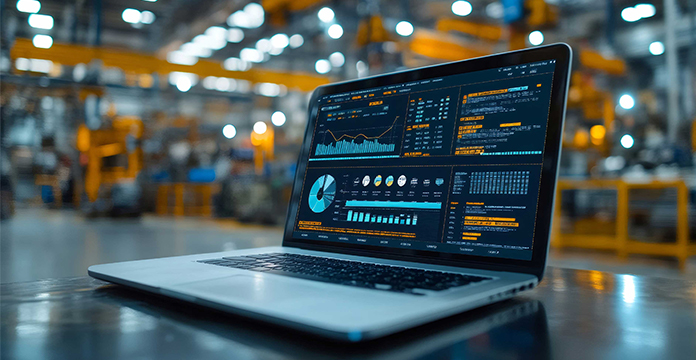
Clear responsibilities and accountability are crucial for a smart factory. Without defined roles, employees may shift tasks among themselves, resulting in poor execution and delayed plans; when errors occur, blame is passed around, making projects difficult to complete and accountability hard to assign. While pursuing digitalization, mechanization, and intelligence, a smart factory must not overlook employee training and management, as this is the only way to maximize its advantages. For instance, the smart maintenance system from Alps System Integration (Dalian) Co., Ltd. fully achieves human-machine interaction, enabling both factory intelligence and scientific employee management. When factory equipment fails, the system analyzes data—considering factors such as repair personnel’s location, workload, and experience—to automatically assign tasks efficiently, optimizing human resource allocation and ensuring each person’s strengths are utilized. Moreover, the system automatically generates employee performance evaluations based on quantified standards, improving work efficiency and providing a basis for assessment. Combined with corporate employee training, it addresses both development and management, maximizing employee value. Finally, the system streamlines, standardizes, and visualizes operational processes, ensuring tight coordination among departments at each work node, effectively enhancing cross-departmental collaboration and boosting the efficiency of the smart factory. Only by achieving these can the smart factory operate smoothly, efficiently, and sustainably.
Click to view: What expected benefits can a smart factory transformation bring to an enterprise?