

 Products & Services






 400 676 5650
Early fault maintenance boasts lower costs, reduced complexity, shorter downtime, and a longer available maintenance window. Compared to addressing faults in the mid-to-late stages, early maintenance offers better cost-efficiency and higher fault tolerance. Building a smart factory and diagnosing and maintaining faults at an early stage can effectively prevent issues such as unplanned downtime caused by sudden failures. However, since early fault characteristics are not prominent, signals are easily masked or drowned out, and there are no clear fault precursors, significant challenges remain in fault diagnosis and root cause analysis. Therefore, it is essential to consider predictive maintenance strategies when constructing a smart factory, delaying the progression from minor early-stage faults to significant failures, thereby reducing equipment failure rates and lowering production costs.
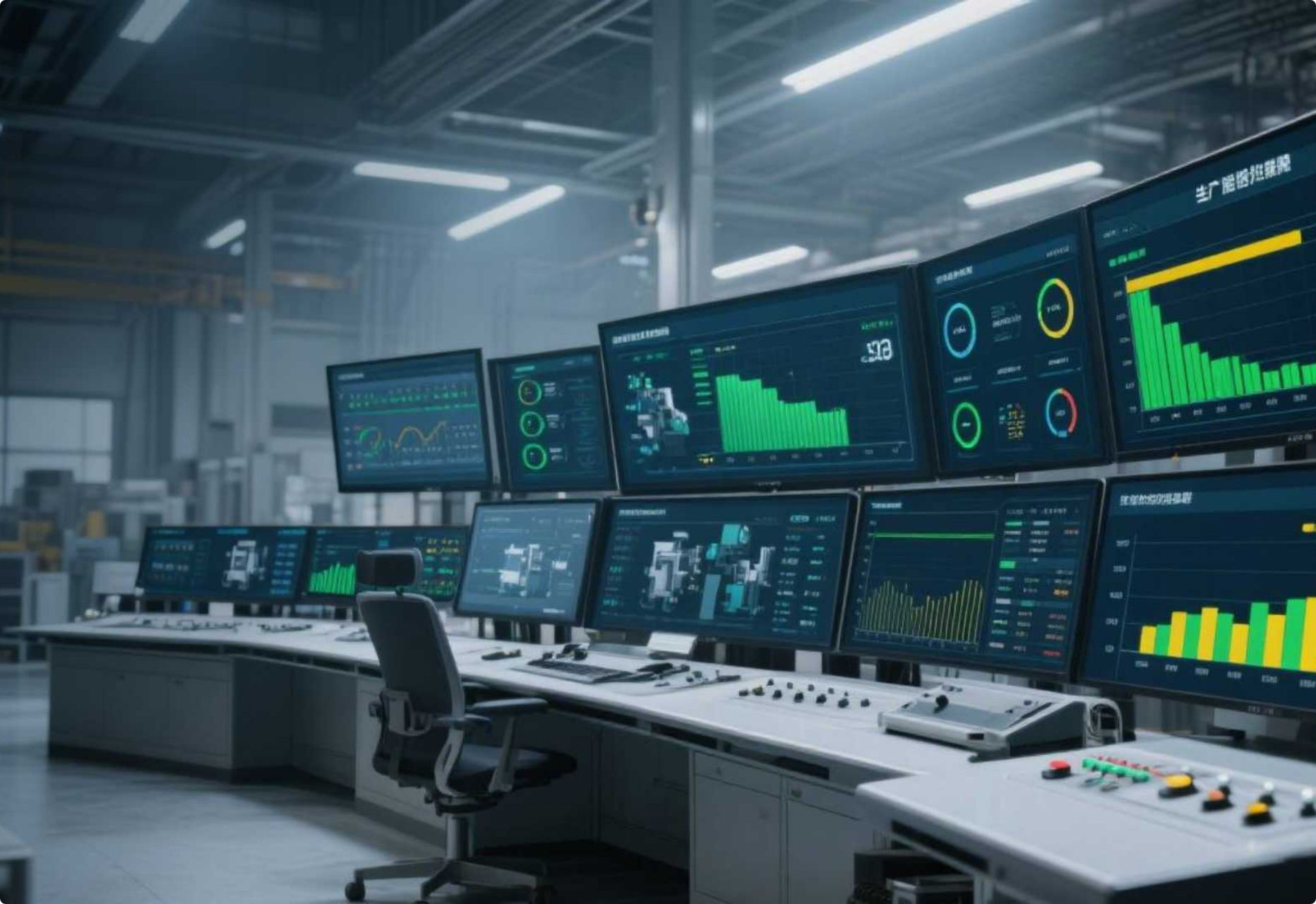
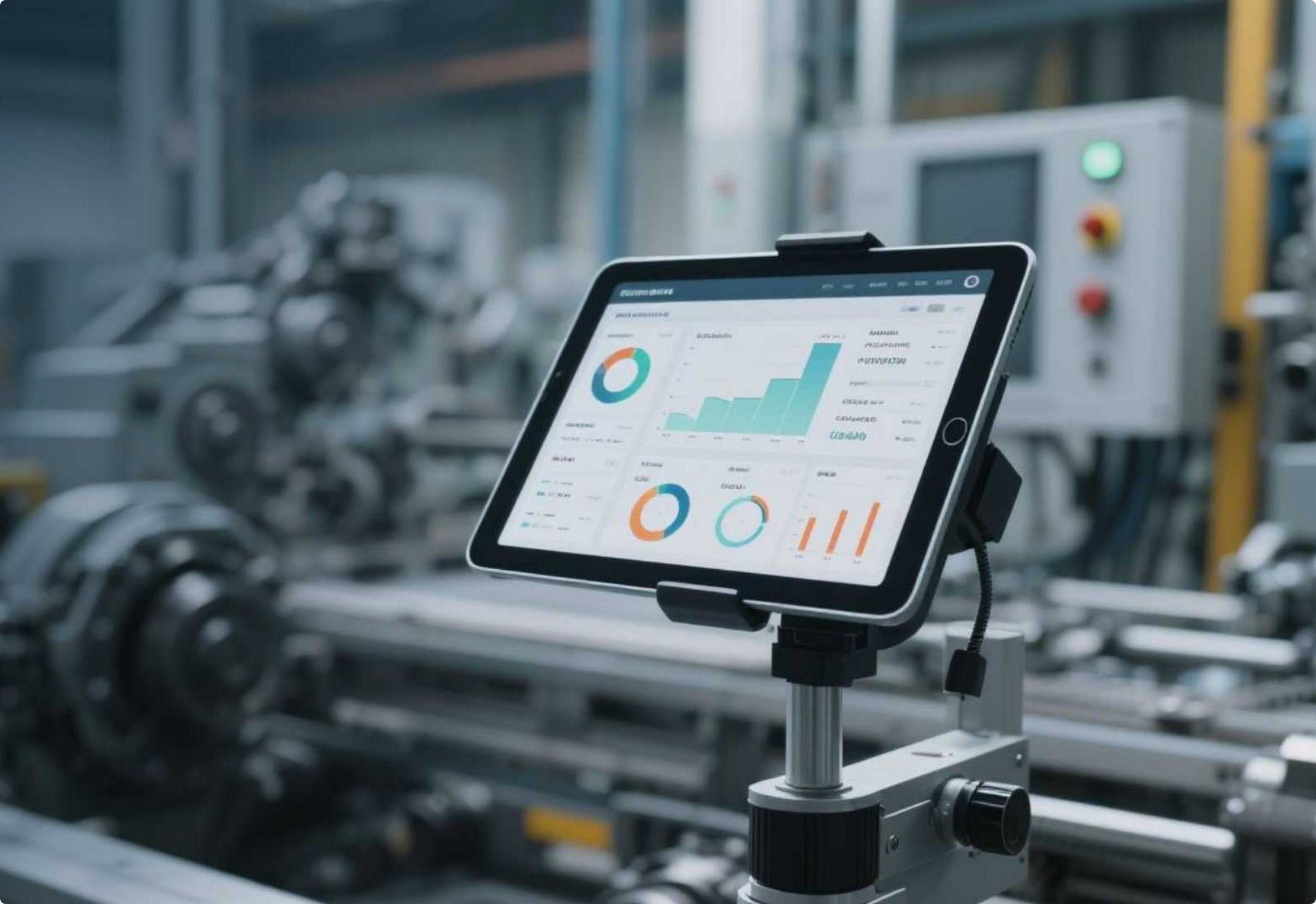
Alps System Integration (Dalian) Co., Ltd.'s Smart Maintenance System establishes an online archive for each piece of equipment, conducts correlation analysis on various equipment faults, predicts equipment failures, and provides preventive maintenance recommendations. This helps enterprises fully utilize the period before faults become severe, enabling predictive maintenance and addressing the maintenance challenges in smart factory construction.
Click to view: What are the common equipment maintenance tasks in a smart factory?