

 Products & Services




 400 676 5650
What is Jidoka?
Jidoka is a Japanese term coined by Toyota, referring to the ability of machines to make judgments like humans—sometimes called automation with a human touch. In a lean environment, Jidoka must be used to identify and stop problems from moving through the process (eliminating waste). Jidoka eliminates the waste of reworking or discarding defective parts or products—another major waste of mass production—while ensuring continuous on-time delivery of quality to customers. Managers must focus their teams on increasing the value added to parts or services to meet customer requirements, without worrying about quality issues.
The most fundamental impact of Jidoka is that it changes the nature of process management. It eliminates the need for operators to monitor equipment, as the machine automatically stops when a problem occurs. This improvement in process management boosts productivity. Operators are forced to address issues at the source, effectively eliminating waste in work and defective production. For example, Jidoka can be applied to sensors in stamping dies to confirm panel positioning. If a sensor is triggered due to misalignment, the press stops and alerts the operator, ensuring that the part is not installed later in the process.
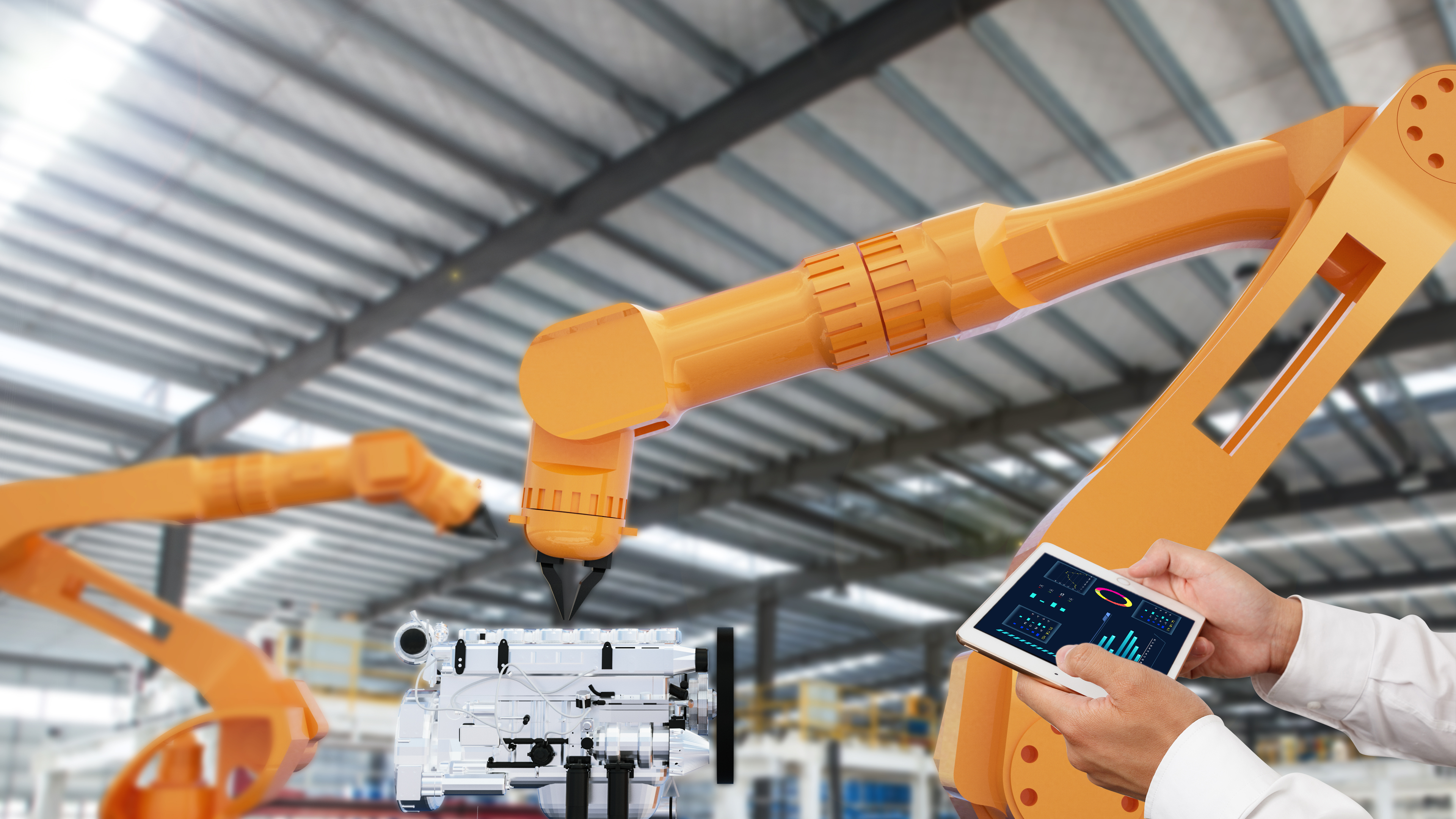
Jidoka is autonomous control of quality and quantity. Taiichi Ohno, former Executive Vice President of Toyota Motor Corporation, firmly believed that to break into the global automotive market, Toyota had to elevate quality to a higher level. He wanted every operator to take responsibility for the quality of the parts or products they produced. Typically, inspection equipment is placed inside the machine (inspection at the source) or between machines (called decouplers), allowing automated checks. Replacing human inspection with machines enables faster, easier, and more repeatable processes. This is called in-process control inspection. Inspection becomes part of the production process, without requiring a separate location or personnel. Parts are 100% inspected by equipment; if a defect is found, the equipment can stop production or correct the defect before it occurs. When a problem arises, the machine automatically stops, preventing batch production of defective parts. The machine can also stop automatically once the required number of parts is produced. This aids inventory control.
Jidoka ≠ Automation
The difference between "automation" and "Jidoka" is that an automated machine runs on its own but still requires a person to monitor it in case something goes wrong that requires stopping the machine. When automatic detection is added to the machine, it can detect malfunctions, alert when a failure occurs, and automatically stop the machine when a problem is detected.
We must consider why allowing defective products to flow to the next process is unacceptable. On an assembly line, which is the final process, defective products flowing out mean customers receive faulty goods. This harms corporate reputation and product credibility, so defective products cannot be allowed to leave. Typically, defects are caught and reworked before reaching customers; the more determined one is to eliminate defects, the stricter the inspection and the more rework, increasing product costs.

Additional inspections to eliminate defects add no value to the product. Manufacturing can embed an automatic inspection process in jigs or fixtures to reduce the likelihood of producing defective products (known as mistake-proofing or Jidoka). This ensures every product is good. Rework is work that should not exist. If many people are performing inspection and rework outside the process, the factory's value-added ratio decreases and costs increase.
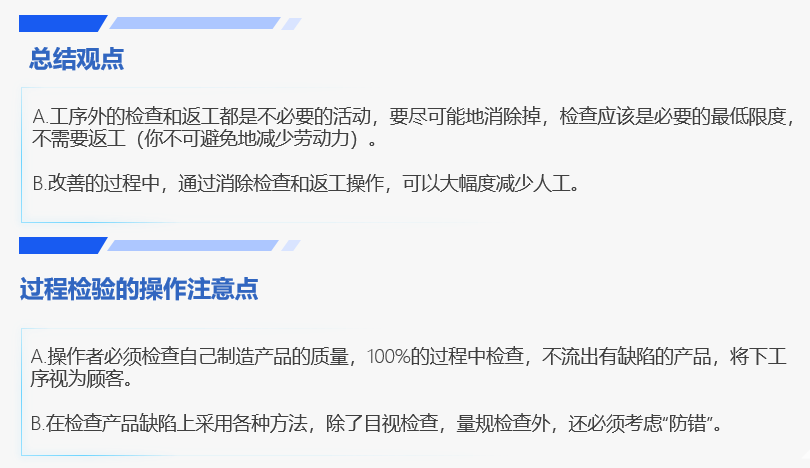
The argument "This product has been inspected 10 times, so its price is high" is completely untenable in the market. Non-value-added activities are unnecessary and should be eliminated from the start. Even if you omit unnecessary activities from direct work and achieve some labor reduction, if defective products are produced, inspection and rework will increase labor. From a cost reduction perspective, the result may be comparable or even worse if rework losses are larger—far from the original goal. In summary, the key points are illustrated below.
Human Wisdom in Work
Jidoka is achieved based on engineers' operational skills. Equipment and machines cannot think independently or self-improve. Instead, when manual skills and techniques are transferred to equipment and machines, they are continuously refined and enhanced. In other words, skills and techniques are learned through manual work to grasp the fundamentals of manufacturing, then applied to the factory floor and continuously improved and accumulated. This cycle of improving human skills and techniques is the essence of Toyota's Jidoka. Promoting Jidoka in this manner strengthens manufacturing competitiveness and talent development.
Closely related to machine reliability are Jidoka and Poka-Yoke (mistake-proofing). If a defect occurs, the equipment can automatically stop or notify the operator. Remember Murphy's Law: if something can go wrong, it will. Poka-Yoke devices are designed to challenge Murphy's Law by establishing mechanisms or processes that prevent any defects or more than one error.
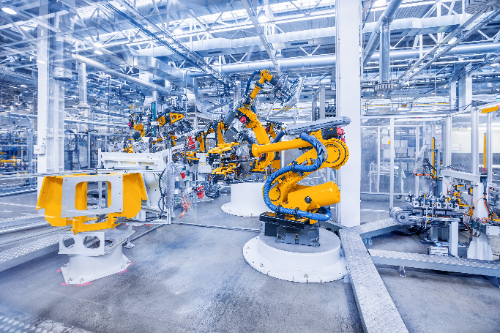
Jidoka means that equipment can detect the occurrence of a malfunction and automatically stop or notify others. A good example is in the sheet metal industry. Some sheet metal equipment operates lights-out—running alone at night. If a machine misfeeds a material sheet, a sensor detects the misalignment and stops. The equipment automatically calls the operator's mobile phone or even home phone. The operator can then go to the machine to fix the error. You wouldn't want this every night, but it allows operators to leave the machine to perform more operator-intensive tasks without waiting at the machine for a malfunction that may never occur.
To build a stable quality system, we need to mistake-proof processes as much as possible. To achieve this, organizations use standardization and Jidoka to error-proof tedious, repetitive, or error-prone tasks. Only systematic mistake-proofing allows employees to focus their skills and efforts on innovation, growth, and continuous improvement. Quality built-in looks different across industries, but the philosophy is the same: building a stable quality system is the foundation for sustained growth.
For example, if errors occur during assembly, the cause may not be as simple as the operator saying "I wasn't paying attention, I was careless." There could be many reasons: parts not assembled in sequence, no stop button on the line, the stop button too far away, or work instructions not understandable. Without identifying these root causes and taking appropriate measures, defects will not decrease. The job of an inspector is not to discard defective products but to reduce them to zero; their work is carried out to accomplish this task.
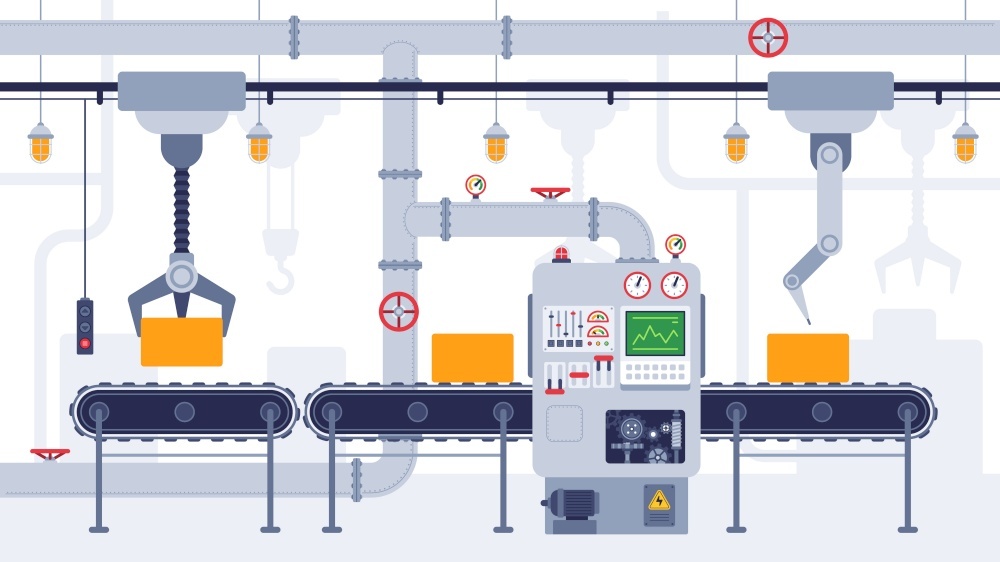
Guarantee Mechanism for Man-Machine Separation
Andon (Japanese: アンドン or あんどん or 行灯) is a manufacturing term referring to a system that notifies management, maintenance, and other operators of quality or process problems. The alert can be activated manually by the operator using a pull cord or button, or automatically by the production equipment itself.
The Andon system is a major component of Jidoka and is now part of lean manufacturing methodology. It empowers operators with the ability and authority to stop production and immediately seek help when a defect is found. The system may include stopping production so the issue can be corrected. Common reasons for manually activating Andon include part shortages, detected or discovered defects, tool failures, or safety issues.
Early Andon systems were simple pull-cord light alarms with sound, incapable of precisely indicating the type of problem or notifying the responsible person. If operators had to activate Andon while working or feedback based on Andon lists, inaccurate information was inevitable despite caution.
After several years of system and hardware upgrades, the Andon system has evolved from relying on manual "Andon information" to "automatic notification," enabling flexible deployment, precise management of abnormalities, and visual workshop data. The ALSI Equipment Status Monitoring System achieves real-time monitoring of equipment status, precise abnormal management, and visual workshop data. The system uses a patented data acquisition device TS-10 to collect three-color light data in real time, and the HMI Agile Button to subdivide stop causes—such as operational abnormalities or demands, material issues, quality issues, or equipment failures—enabling automatic Andon.
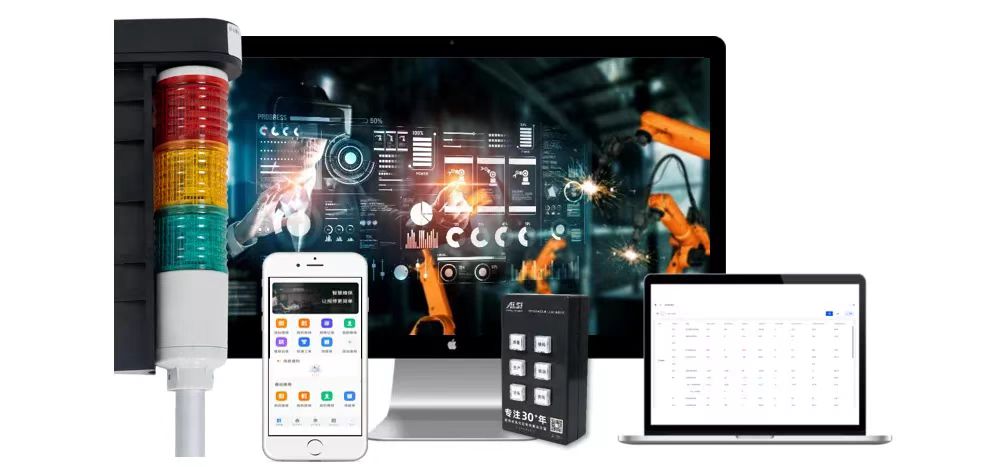
Click to view: What contradictions can the ALSI Smart Factory Solution resolve for enterprises?