- Manufacturing DX
 Manufacturing DXBuilt on real manufacturing experience, our smart factory solutions help improve operations and deliver lasting value.
 Products & ServicesCustomer Stories
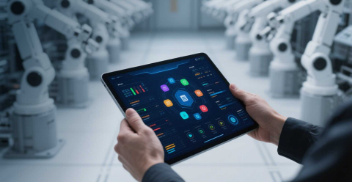 HUIPAI APSDriven by on-site needs and business-centric, we precisely address the production-sales coordination and delivery challenges faced by manufacturing enterprises!
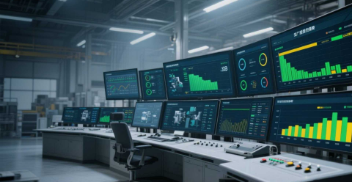 S&OPIntegrate the entire process of demand, supply, production, and delivery to achieve supply-demand balance, capacity optimization, and agile decision-making.
 SCPConnect the demand, inventory, supply, and production collaboration links to achieve complete kit assurance, inventory optimization, and supply resilience.
 DPSDynamically coordinate human, machine, and material resources to quickly respond to order changes, improving capacity utilization and on-time delivery rates.
 - Automotive ElectronicsAutomotive ElectronicsFrom software development to testing services and custom solutions, we help customers accelerate innovation with proven automotive engineering expertise.Products & ServicesFeatured Solutions
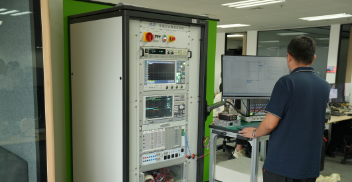 Automotive Testing ServicesCovering 4 levels and 8 dimensions, it comprehensively perfects the testing system and process to ensure testing quality.
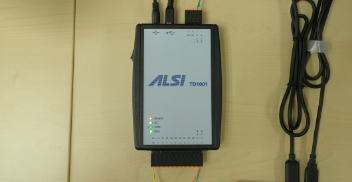 Vehicle Network Test KitRegarding acceptance criteria, reduce rework, allowing OEMs to accept with greater confidence and suppliers to submit with greater peace of mind.
 ECU HIL Test PadUniversal Vehicle Body Electronic Environment Simulation System, versatile for multiple uses, rapid screening, ensuring "zero" defects in products.
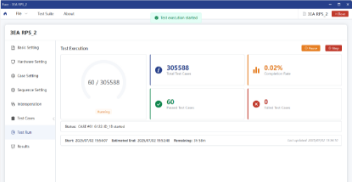 CAN Fuzz Testing AppEfficient, precise, and comprehensive. Your on-the-go vehicle communication security testing expert.
 - Use Cases
- Customer Stories
- CareersCareersWe invest in our people through structured development, mentoring, and a collaborative culture, creating clear career paths and growth opportunities for every employee.Job Opportunities
- About ALSIAbout ALSILeveraging the experience and expertise of the Alps Alpine Group, we partner with customers to drive continuous improvement and long-term growth.


 400 676 5650
 2022-03-24