


 Products & Services








 400 676 5650
Time:2026-01-13
In the execution of production plans, many enterprises encounter a common scenario: demand is clear, orders are abundant, and the plan seems reasonable, yet production progress remains stagnant. Upon deeper analysis, it becomes evident that the issue often lies not within the plan itself, but in certain critical resources acting as bottlenecks. Once these resource bottlenecks exist, they become decisive factors limiting capacity release, making production plans difficult to implement. Therefore, addressing resource bottlenecks is a crucial step in enhancing the executability and overall efficiency of production plans.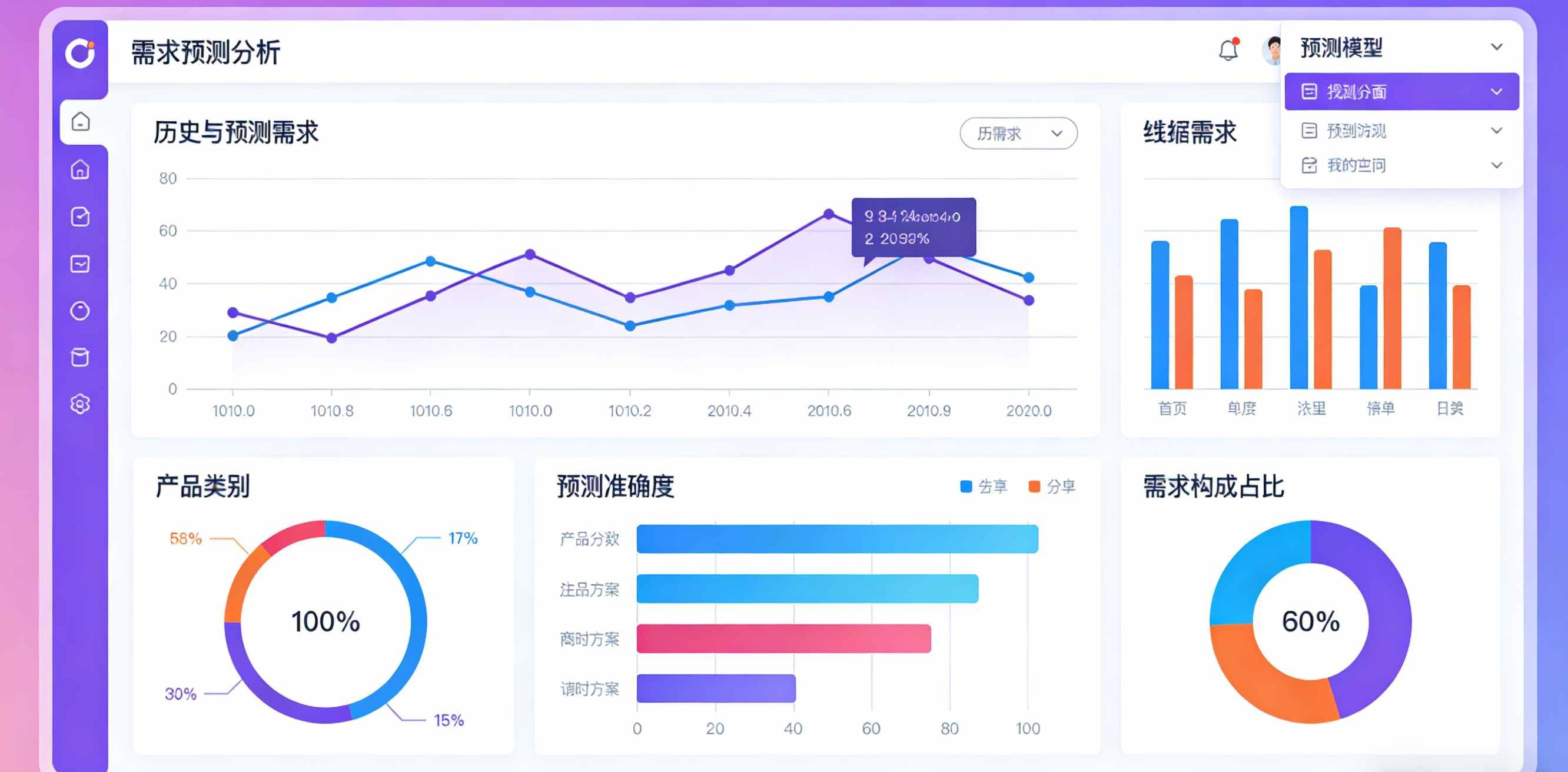
1. First, Identify the Bottleneck: Recognizing It Is More Important than Blindly Adding Resources
The first step in addressing resource bottlenecks is not to add equipment, hire personnel, or expedite supply, but to accurately pinpoint where the true bottleneck lies. Many enterprises fall into the trap of relying solely on experience to judge bottlenecks, investing substantial resources only to fail in solving the root cause.
A more scientific approach is to start with the entire production flow, using value stream mapping to systematically review each step from raw materials to final delivery, clearly depicting material flow, information flow, and takt time, thereby identifying the critical nodes limiting overall capacity. Simultaneously, leverage data analysis tools to continuously monitor key indicators such as equipment utilization, downtime, cycle times, raw material inventory turnover, and labor efficiency. Use data rather than intuition to determine bottleneck locations. Through this method, companies can not only clarify "where" the bottleneck is, but also assess its impact on delivery, cost, and capacity, providing a foundation for subsequent decisions.
2. Adopt Differentiated Strategies for Different Types of Bottlenecks
Resource bottlenecks are not monolithic; different types require distinct resolution approaches.
For equipment bottlenecks, production scheduling can be adjusted by anchoring the bottleneck process as the schedule's focal point, using a push-pull approach upstream and downstream. Additionally, optimize maintenance strategies to reduce unplanned downtime and improve effective operational rates. Often, without any investment in new equipment, simply improving maintenance and scheduling can significantly alleviate bottleneck pressure.
For raw material supply bottlenecks, the core lies in supply stability. Enterprises should avoid over-reliance on a single supply channel by diversifying procurement sources and implementing tiered supplier management to reduce supply disruption risks. Meanwhile, strengthen collaboration with key suppliers and enhance demand information transparency, enabling suppliers to plan capacity in advance and ensure timely delivery of critical materials.
For employee skill or human resource bottlenecks, solutions tend to lean toward management and capability building. On one hand, continuously train employees to enhance skill levels, enabling them to handle multiple processes and positions, thereby increasing production flexibility. On the other hand, optimize personnel allocation and shift scheduling to prevent over-concentration of human resources in non-bottleneck processes while the bottleneck remains understaffed, ultimately improving overall labor efficiency.
3. Treat Bottleneck Management as a Continuous Process, Not a One-Time Action
It is important to note that resource bottlenecks are not static. As order structures, product processes, and market conditions change, existing bottlenecks may be resolved while new ones emerge. Therefore, bottleneck management should not be a one-off effort but an ongoing mechanism within the production planning system.
By continuously monitoring the status of key resources and dynamically assessing capacity and load changes, enterprises can preemptively identify potential bottlenecks, avoiding problems from clustering during execution. This proactive identification and early intervention approach can significantly reduce the frequency of plan adjustments, enhancing overall production stability.
At its core, the resource bottleneck issue is not about insufficient resources but about a mismatch between resource allocation and production rhythm. Only by systematically identifying bottlenecks, addressing them with differentiated strategies, and integrating bottleneck management into daily planning and execution can enterprises truly break free from capacity constraints, transforming production plans from paper blueprints into stable, efficient production outcomes.