

 Products & Services







 400 676 5650
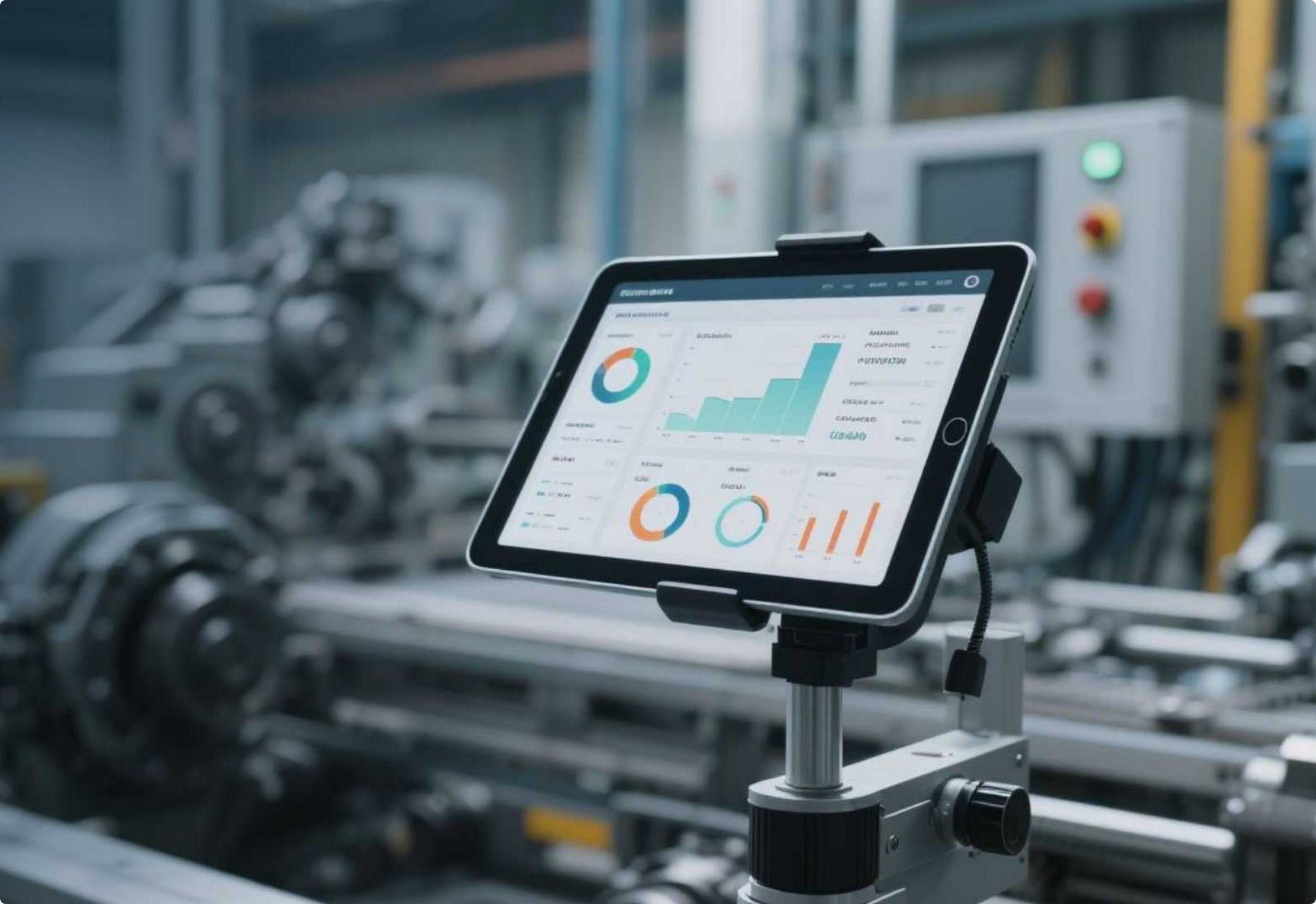
Before many enterprises transition to smart factories, their equipment maintenance mode often involves the maintenance department issuing work orders, the repair department receiving them, the repair department picking up materials, and repair personnel performing on-site repairs. All tasks require fixed scenarios. The large area occupied by equipment and the back-and-forth movement of personnel can affect the efficiency of equipment repairs. For example, when a fault is discovered on-site, the reporting personnel need to go to the control room to issue a work order; after diagnosing on-site, the repair personnel must return to the standby room to input the repair process upon completion. Additionally, during equipment repair and maintenance in smart factories, multiple layers of approval are often required to ensure safety. Sometimes, delays in the approval process lead to losses in fault downtime.
ALSI has developed a mobile app called Jingzhi TPM, which embeds the maintenance workflow into the system. By scanning the QR code on the faulty equipment with a mobile phone, users can enter the repair request page. The system can intelligently assign work orders based on relevant equipment information. Managers can track the maintenance status of all equipment on production lines and in factories in real time, thereby improving the production efficiency of the smart factory.
Click to view: Can the total number of product defects evaluate lean production quality level?